

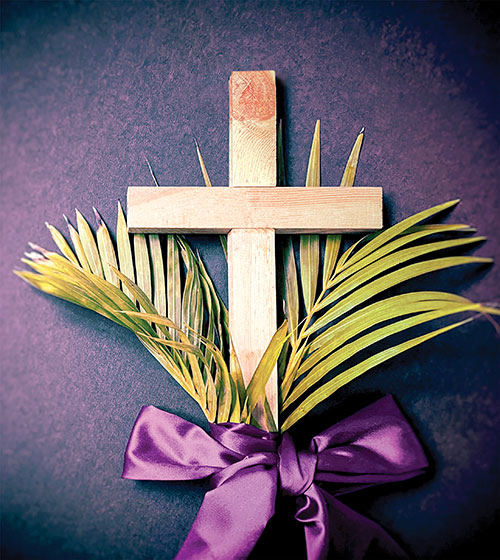
Catholics usher in Lent with Ash Wednesday, the start of a 40-day journey of prayer, fasting and almsgiving. The season of Lent recalls the time Jesus spent in the desert, where He prayed and fasted for 40 days before His death. It is a penitential time to grow closer to Jesus and prepare to celebrate His resurrection at Easter, the most wonderful day of the year for Christians.
This year, make the most of your journey by finding creative – and meaningful – ways to pray, fast and be charitable. By Easter, you’ll feel rejuvenated in mind, body and spirit – ready to greet the Risen Lord.
PRAYER
 When we pray, we lift our hearts and minds to God – to praise and thank Him, ask for mercy and forgiveness, and seek His guidance and blessing. We can strengthen our prayer life by remembering why we pray: to remain close to God, and deepen our relationship with Him.
Give thanks. A simple prayer of “thank you” when you go to sleep or wake up keeps you connected to our Creator and all the graces He bestows every day. Appreciate those blessings, reveling in God’s boundless love and mercy. Not sure where to start? Websites such as Pray.com, Hallow.com or PrayMoreNovenas.com offer inspiring options.
Walk with Jesus. The Stations of the Cross are a 14-step Catholic devotion commemorating the final moments before Jesus’s death on the cross at Mount Calvary. Most Catholic churches display the stations where you can pray and follow Jesus’ journey, or you can find dramatic versions online. Pick one and as you move from station to station while reciting the prayers, imagine yourself at the scene with Jesus. Contemplate Jesus’ immeasurable love and sacrifice as you feel your heart swell.
Be still. Life is busy, noisy and chaotic. Make time this Lent to find God in the silence. Spend quiet moments in the presence of Jesus at church, during Eucharistic Adoration or after Mass. Meditate on a Scripture verse or a piece of sacred art. Go for a walk or a hike, silently praying the Rosary or repeating the Jesus Prayer: “Lord Jesus Christ, Son of God, have mercy on me, a sinner.”
Confess. As the Scottish proverb goes: Confession is good for the soul. We’re all sinners in need of mercy, so join the line at the confessional. Get real with yourself, acknowledge what is burdening your conscience, and get advice from the priest on how to do better. Hear those healing words of absolution: “God the Father of mercies, through the death and resurrection of His Son has reconciled the world to himself and sent the Holy Spirit among us for the forgiveness of sins; through the ministry of the Church may God give you pardon and peace, and I absolve you from your sins in the name of the Father, and of the Son and of the Holy Spirit. Amen.”
FASTING
 Fasting is an ancient practice, during which we limit how much food we eat to grow closer to Our Lord through our sacrifice. Although modest snacks are OK, fasting generally means eating only one full meal in a day. We fast and abstain from eating meat on Ash Wednesday and Good Friday, and we abstain from meat every Friday during Lent.
Why no meat? We refrain from eating meat on Lenten Fridays to honor Our Lord’s sacrifice on the cross, in which He gave up His life – His own flesh and blood – for our salvation. Beef, pork, chicken, and turkey are off the menu, but fish and dairy are fine. Use common sense, though – if you’re ill, pregnant, or elderly, fasting is optional. And remember, the sacrifice of fasting and abstinence is pointless if you splurge on bluefin tuna at a fancy restaurant.
Give up something you “can’t live without.” Addicted to coffee, mindless scrolling on your phone, or shopping on Amazon? Put aside the habit for the 40 days of Lent and use that extra time and willpower to do something good or healthy: go for a walk, call a friend, read a book. You’ll feel better, knowing even a small sacrifice, done with love, brings you closer to God. St. Therese of Lisieux’s “Little Way” can guide you: “Miss no single opportunity of making some small sacrifice, here by a smiling look, there by a kindly word; always doing the smallest right and doing it all for love.”
Embrace the hunger. Giving up something for Lent should cause us to hunger – whether it's for food, comfort or convenience. Hunger pangs remind us that only God can truly satisfy us. “I am the bread of life; whoever comes to me will never hunger, and whoever believes in me will never thirst” (John 6:35).
ALMSGIVING
 Charity is a call for all Christians and a theme of the Gospels. During Lent, we focus more intently on "almsgiving" – an active form of charity – by donating money, goods, time or talents to help lift up our brothers and sisters in need. Let St. Teresa of Avila’s words inspire you: “Yours are the eyes through which Christ's compassion for the world is to look out; yours are the feet with which He is to go about doing good; and yours are the hands with which He is to bless us now.”
Lend a hand. Your parish or community center offers lots of ways to get involved. Your parish bulletin or website is a good place to start. Also check out the “Faith Life” section of the diocese’s website www.charlottediocese.org, to connect with volunteer ministries that interest you. When you step up, you experience the joy in giving of yourself to others.
Give it away. Do you really need all that stuff? Clean out your cabinets, closets and drawers, and give away gently used items to help people in need. “Spring cleaning” is good for your home and your soul, plus you can help make someone’s life easier or more comfortable.
Donate. Giving money is a practical way to help your parish or a charity you like. Charities rely on the kindness and generosity of donors to do their work – and your financial gift just may be the act of mercy they need right now. Don’t know how much to give? One tip: Give enough to feel a little thrill after signing the check or clicking the “donate” button.
Fasting and abstinence during Lent
Adults (ages 18 to 59) are to abstain from eating meat and only consume one full meal on Ash Wednesday and Good Friday. Two smaller meals are permitted but combined should not equal a single normal meal.
Additionally, Catholics (14 and older) are to abstain from eating meat on Fridays during Lent. Meats include beef, pork, chicken, and any other “flesh” meat. Fish and dairy are fine.
Children, adults with physical and mental illness, pregnant and nursing women are exempt from fasting.
The U.S. Bishops stress that “common sense should prevail” and that no one should jeopardize their health to fast.
Lenten Wisdom
Priests from around the Diocese of Charlotte offer guidance on growing your spiritual life this Lent:
On Prayer:
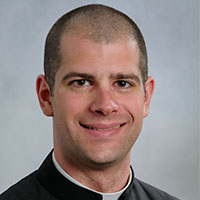
Our hearts need a strong connection with God. Lent is our chance to "re-sync" and make ourselves present to Him. We look inside to see how to rekindle that internal dialogue. This Lent, focus on some small prayer that you can do every day. Or pick out a psalm or verse from the Gospels and memorize it, helping you to keep it in mind throughout the season.
— Father Darren Balkey, parochial vicar of St. Matthew Parish in Charlotte.
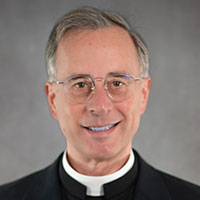 “The Church asks us to focus on prayer, fasting and almsgiving because Lent is a time for us to detach from that which distracts us from, or diminishes, our relationship to God. Think about any personal relationship you have - spousal, immediate family, friendships. If that relationship has grown stale, or is impeded, you would take steps to give that relationship more attention, more time. Growing a personal relationship means you give the other person some of your time and attention; you make sacrifices for that spouse or family member or friend. In Lent, we do the same in focusing to build up our relationship with God. We give more time, speaking with Him - catching up with Him, if you will - in prayer; we make sacrifices for Him in our fasting and abstinence, to draw our attention away from the gluttonous distractions of our lives, and toward Him.”
— Father Christian Cook, pastor of St. Margaret Mary Parish in Swannanoa.
On Fasting:
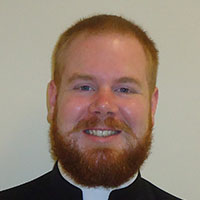
Fasting is divesting ourselves of something that we possess or avoiding something that we want. Fasting allows us to live more simply through trusting more in God’s divine help and providence rather than our own strength and efforts.
— Father Noah Carter, pastor of Holy Cross Parish in Kernersville.
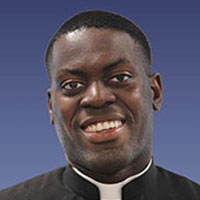
“Fasting is a proper way to practice self-control and mortification. It provides us with the opportunity to detach from things that pull us away from God, so as to reorder our attachment to Him, and helps us overcome vices.”
— Father Chinonso Nnebe-Agumadu, parochial vicar of St. Mark Parish in Huntersville.
On Almsgiving:
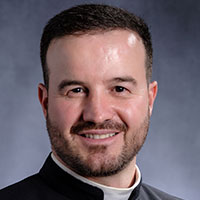 Helping our neighbor during Lent is not just offering money or food to the poor. By giving from what we have received from God’s bounty, we humble ourselves and show God’s love and charity to others. Don't just give food or money – give yourself with unwavering attention to others. Put down your phone and engage others in a personal and attentive way.
— Father Miguel Sanchez, parochial vicar of Our Lady of Mercy Parish in Winston-Salem.
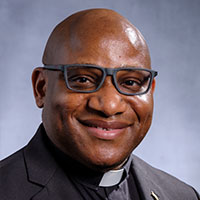 “Almsgiving is a response to God, one that we can come to through prayer and fasting. It is a way to live out our gratitude for all that God has given us, reflecting the realization that we are the Body of Christ, responsible for each other. Almsgiving is a giving of self in either your time, talents, or treasure. It gives us an opportunity to be aware of the needs of those around us and to be generous in extending ourselves to serve others. While digging a little deeper in our pocket to share our treasure with those in need is admirable and important, caring for our elderly neighbor, visiting a friend who is suffering, or anytime we show compassion, empathy, or inconvenience ourselves to assist others is considered almsgiving as well.”
— Father Marcel Amadi, the Catholic chaplain at Wake Forest University
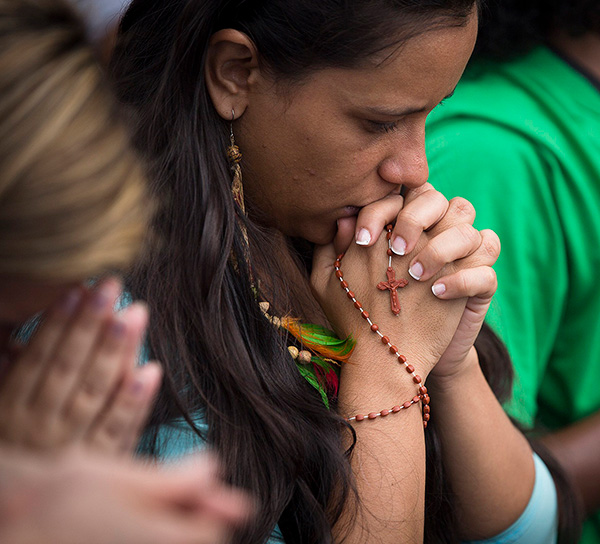
 In the wake of national tragedies, it is customary for public figures to offer their “thoughts and prayers” for those affected. Lately this phrase has been criticized by some as a pious excuse for inaction. Indeed, if “thoughts and prayers” are mere empty words, they do no good. As the epistle of James reminds us, “If a brother of sister has nothing to wear and has no food for the day, and one of you says to them, ‘Go in peace, keep warm, and eat well,’ but you do not give them the necessities of the body, what good is it?” (Jas 2:15-16).
Concrete acts of charity are important, but prayer itself is also an act of charity. Often it may be the only charity we find ourselves in a position to offer, especially if we are hindered by distance or lack of resources. No one ought to feel that their prayers are useless.
Nevertheless, even people of faith may find themselves wondering what good our prayers accomplish. God is all-good and all-knowing. That means God is fully aware of every human tragedy and is able to rectify any wrong in ways that are both merciful and just. His understanding of the needs of any situation far surpasses our own. So why do we need to bring our concerns to God? We are not telling Him anything He does not already know. Do our petitions really make a difference?
Why we pray
When grappling with these questions, it is good to remember what prayer is really for. It is not about providing information to God or trying to change God’s mind. The Catechism of the Catholic Church begins its section on prayer by rooting the concept of prayer in relationship. It opens by recalling the need for Christians to live the mystery of the faith “in a vital and personal relationship with the living and true God. This relationship,” it says, “is prayer” (CCC 2558).
Interpersonal relationships are multifaceted. Consider relationships you have with family and friends. If the only time you communicate with your loved ones is when you need something from them, no one would consider that a healthy relationship. As a father, I want my children to come to me with their needs. But I also want to hear about how their day has been. I want them to share with me their interests and aspirations. I want to know what excites them. And I also want them to listen to me. Similarly, as a husband, I want my wife to tell me her needs. But I also want to hear her words of affection. I want to know she loves me, and that is communicated not only by words but by her presence and attentiveness. The same is true of our relationship with God. If the only time we talk to God is to ask Him for something, that’s not a healthy relationship. There has to be more to it.
Prayer is a trip
In defining prayer, the Catechism begins by quoting two saints. The first is St. Therese of Lisieux, who defines prayer as “a surge of the heart … a simple look turned toward heaven … a cry of recognition and of love, embracing both trial and joy.” The second is St. John Damascene, who says, “Prayer is the raising of one’s mind and heart to God or the requesting of good things from God” (CCC 2559). Making requests of God is an aspect of prayer, but only one aspect. There are prayers of adoration, thanksgiving, repentance, intercession, as well as petition. A good way to remember these different types of prayer is with the acronym A TRIP.
When we pray, then, we take A TRIP; but to where? And to whom? The two saints quoted above provide us with the answer: to heaven and to God. The purpose of prayer is to help us get to heaven by fostering communion with God (which is what heaven is all about).
The scriptures teach that the way to abide in Christ is for us to “live just as he lived. . . this is the way we may know we are in union with Him” (1 Jn 2:6, 5). To conduct ourselves as Christ, we must learn to be like Him. This is what it means to be a disciple (a student). We must learn from the Master. If I want to learn to be a master carpenter, I have to seek out a master carpenter and say, “teach me to do what you do.” Similarly if I want to learn to play classical violin, I have to seek out a violinist and say, “teach me to do what you do.” So in the Christian life, if we want to grow in holiness we must put ourselves in the presence of Christ and say, “teach me to do what you do.” Prayer is meant to transform us.
When tragedies arise (as they will), we can often feel helpless. This is true whether the tragedy is a personal one, or something on the national or international scene. Our hearts may be filled with sorrow or moved with compassion, but we don’t know what to do. We may be prompted to anger and not know how to direct it. We may feel frustrated at our inability to “fix things.” In all of these cases, the best thing we can do is to put ourselves in the presence of our loving Father and say, “I’m scared. I’m concerned. I’m angry. I’m confused. What do you want me to do?”
Sometimes that answer may be, “There is nothing for you to do. Just trust in me.” Other times we may be inspired to a concrete action, in which case our charity will be more effective because we allowed it to be directed by the source of charity itself.
Prayer is never useless. By presenting our needs and concerns to our merciful Father, we open our hearts to being filled with His divine love. The intimacy with God born from a life of prayer is the very source of a Christian’s strength. It should never be neglected. The work of prayer inspires and infuses all our other good works with divine love.
Deacon Matthew Newsome, Catholic campus minister at Western Carolina University and regional faith formation coordinator for the Smoky Mountain Vicariate, is the author of “The Devout Life: A Modern Guide to Practical Holiness with St. Francis de Sales,” available from Sophia Institute Press.