Rooted in faith, growing in hope
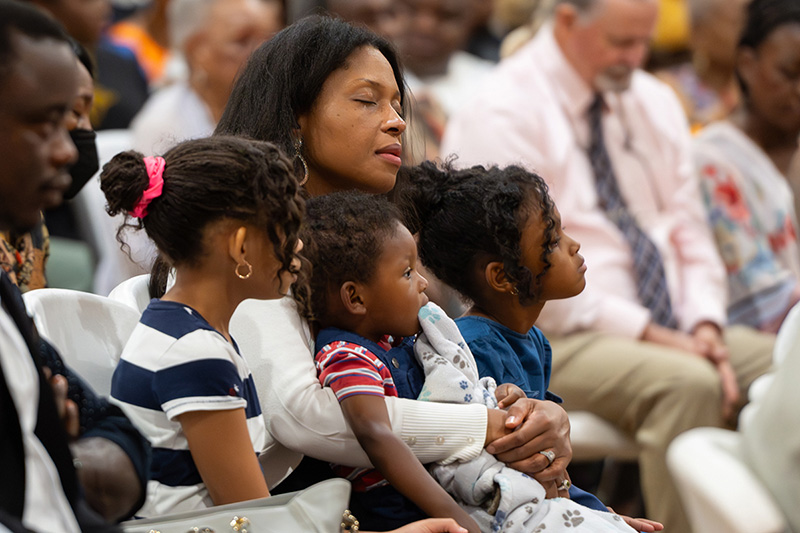
CHARLOTTE — Each November, as the Church celebrates Black Catholic History Month, we are reminded that faith is not only taught, but also lived, shared and passed from one heart to another. Across generations, Black Catholics have carried a legacy of resilience, worship and witness that continues to shape the Church today. From the elders who taught us to “keep on praying,” to the youth who lift their voices in praise, our faith story is one of continuity and hope.
This year, we reflect on what it means to pass the faith to the next generation, to help young people see that their culture, history and talents are not only welcomed, but essential to the life of the Church.
Faith and culture: The legacy we inherit
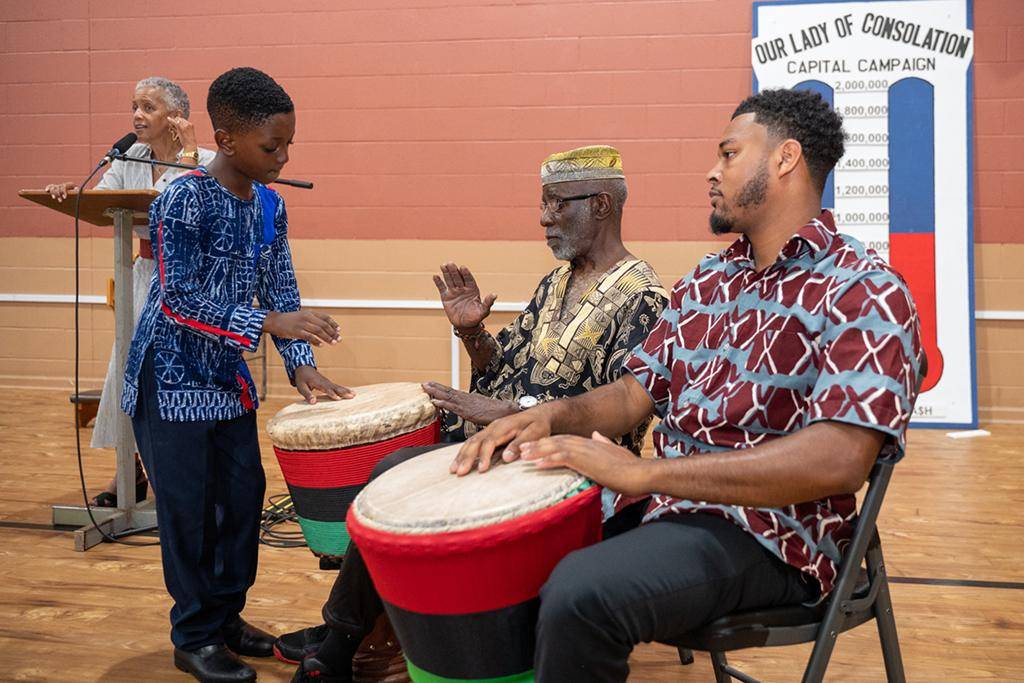
Black Catholic spirituality is a gift of the Spirit that unites faith and culture. It is expressed through vibrant music, heartfelt preaching, call-and-response prayer and the joyful conviction that God walks with His people. It is a spirituality of hope forged through adversity, yet always rooted in love and community.
From the first hymns sung in praise houses to the voices that now rise from our parish pews, this heritage reminds us that the Church is most alive when every culture brings its full self before God. Our ancestors’ faith endured through struggle and perseverance. They built schools, led choirs, taught catechism and modeled discipleship long before they were fully recognized in Catholic history. Their witnesses continue to light the way for the generations who follow.
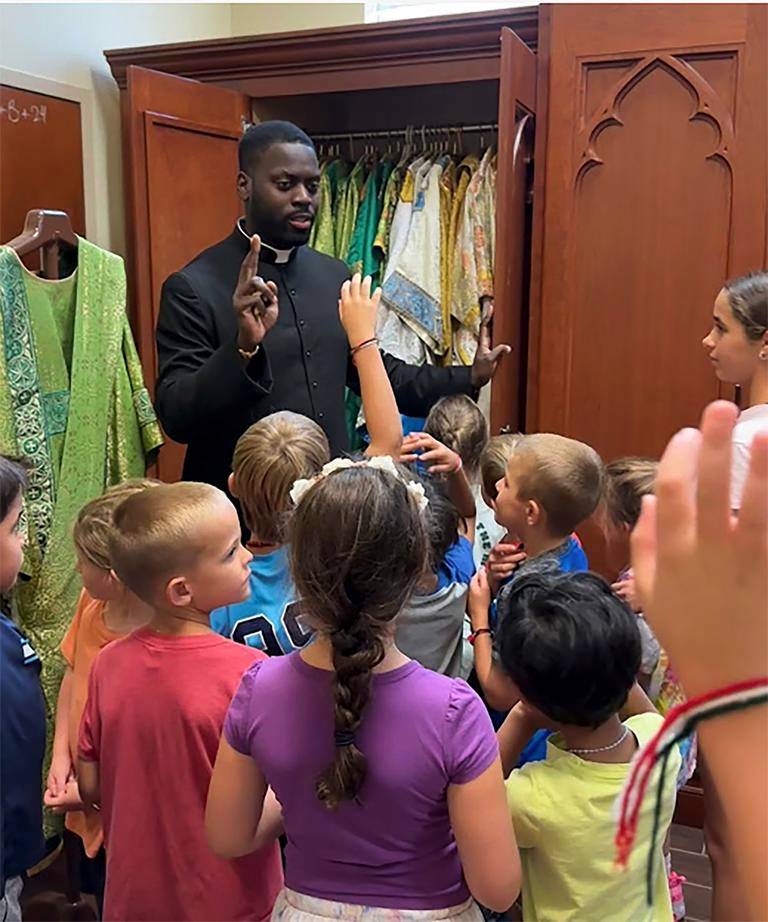
Passing the faith, therefore, is not merely about instruction, it is about relationships. It is about seeing Christ in one another and helping young people find their voice in the sacred story that has always included them, as it did for Father Chukwunonso A. Nnebe-Agumadu.
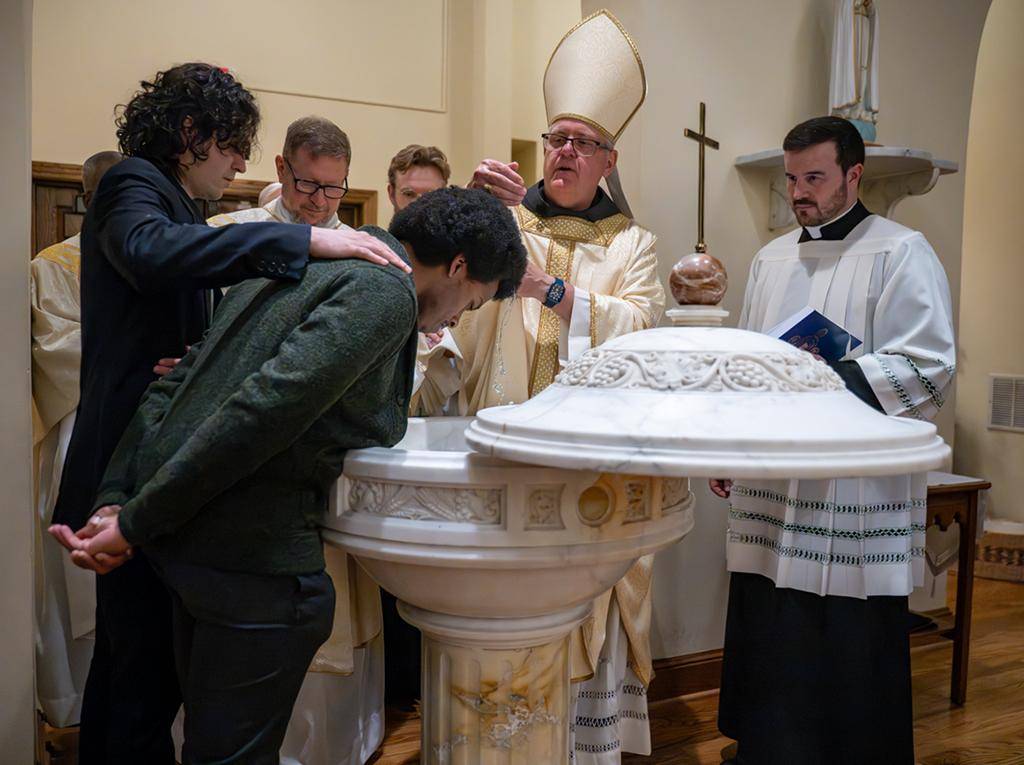
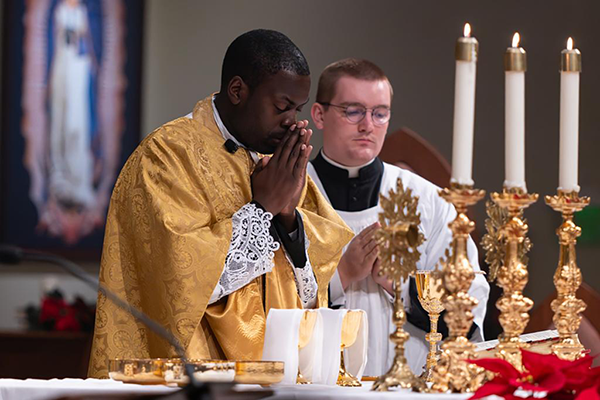 Seeing clergy live out lives of faith can serve as an inspiration for the next generation of Catholics. Passing on the faith is not merely about instruction, it is also about relationships.
A shepherd’s journey: Fr. Chukwunonso’s story
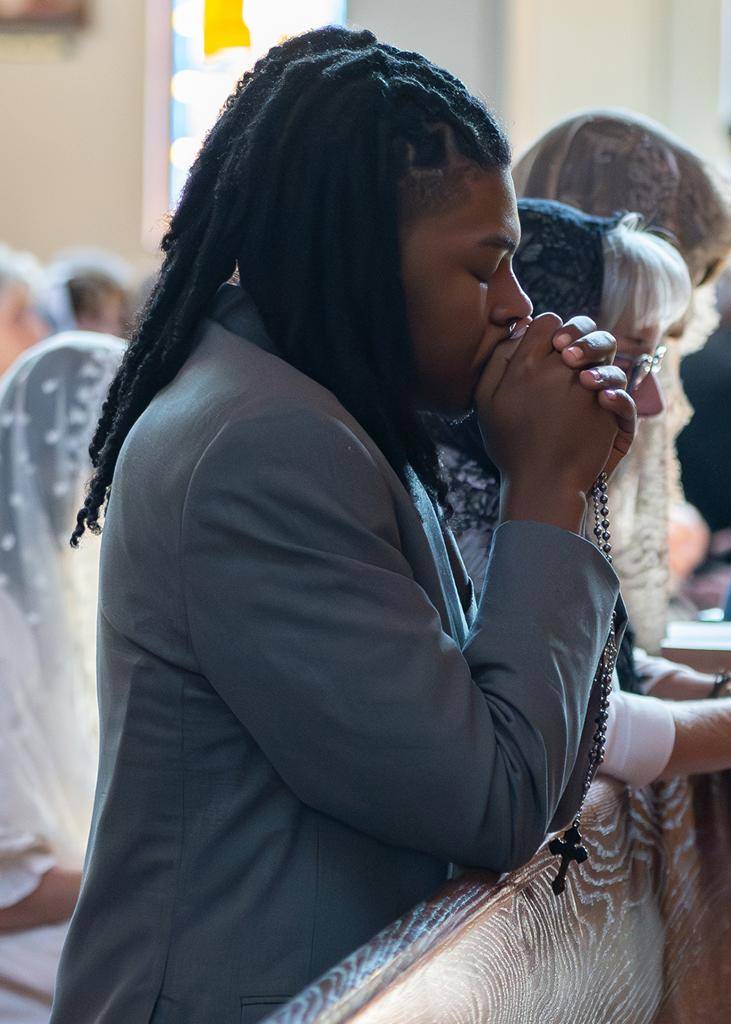
“The story of my life begins in Washington, D.C., my place of birth, but takes a quick turn to Nigeria, the country in which I grew up. It was while I was in Nigeria that my journey to priesthood started. This vocation crossed my mind for the first time after I received my first Holy Communion at eight years old. I remember being in awe of what the priest did on the altar. I thought it was the coolest thing ever, and so I became an altar boy. The thought remained in my mind, and the practice in my home kept it alive. My family would pray the rosary together daily, my dad would take me with him to Eucharistic Adoration, and we would always go to Mass on Sundays and Holy Days.
“The highlight of my youth would be my twin brother and I convincing our boarding school’s administration to organize Catholic Masses for us. Confirmation classes also came out of that venture.
“Arriving at my vocation to the priesthood took several twists and turns. By high school, my family had returned to the United States, and although I had wanted to speed the process of entering seminary, I was advised by a priest to attend college first. I applied to a Catholic university, but insufficient scholarship funds changed my plans. To that disappointment, my dad told me, “I’m sure God has a plan.”
“And God sure did!
“I ended up attending North Carolina A&T, one of the top historically Black colleges and universities in the country, and what a blessing it was to be an Aggie. At the conclusion of my freshman year, a new campus minister, a Nigerian priest, became my spiritual director. I was an altar server at a nearby parish, and the pastor showed an interest in fostering my vocation. One summer, he paid for me to attend the diocese’s discernment camp.
“At A&T I was blessed with friends who saw faith as paramount. My college major was biology, and my teachers saw science as a study of God’s creative work. I had an academic advisor who understood that following God’s will was the path to a fulfilled life. I wanted to be a doctor, but God would use my internship at a medical school to draw my heart to the priesthood. I noticed during the internship that what I most wanted was to work with the hospital chaplain. That helped me see that a career in medicine would leave my heart restless. After that, I was determined to pursue my vocation. After six years of seminary, I was ordained as the first priest in my family and the first from the village in which I grew up. Praise God!”
Walking with the next generation
The same guidance and encouragement that shaped Father Chukwunonso’s vocation are the gifts we are called to offer the next generation. His witness shows how faith grows when it is shared, when one life touches another and invites it closer to Christ. Yes, young people today live in a world filled with distractions, competing identities and shifting values, yet it is also a world alive with creativity, courage and deep longing for meaning. In that search, young believers are encountering Christ in their studies, friendships, service and music. Their daily choices and quiet acts of faith remind us that God’s presence is not confined to the sanctuary; it is alive in classrooms, on playing fields and in conversations that shape hearts.
As a Church, we are invited to walk beside them, to listen deeply, celebrate their gifts, and create spaces where faith feels real and shared. This means inviting participation, offering mentorship and ensuring that young voices are included in shaping parish life. Together, we can build a Church where every person knows they belong and where every generation contributes to the mission of Christ.
Planting seeds of faith
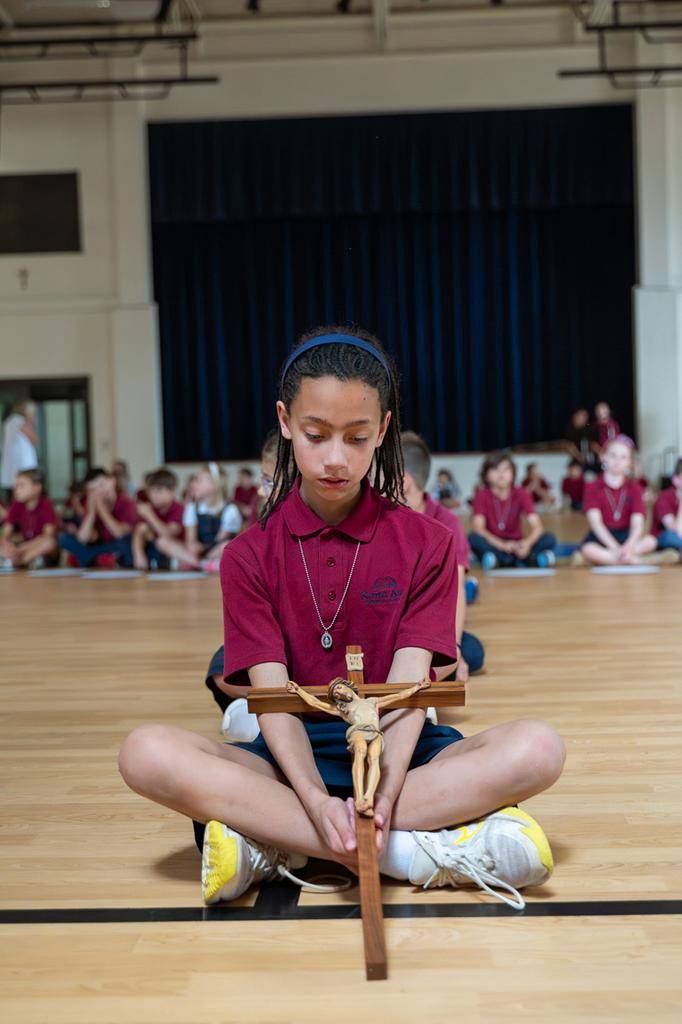
When faith is modeled with patience, authenticity and joy, it becomes something tangible and trustworthy. Through every conversation, shared prayer and act of encouragement, we help our young see that they are not simply the future of faith; they are its living expression today.
Our Church continues to grow through the seeds of faith we plant today. We can see that the Church is evolving before our eyes, and it is both our responsibility and our joy to nurture this growth.
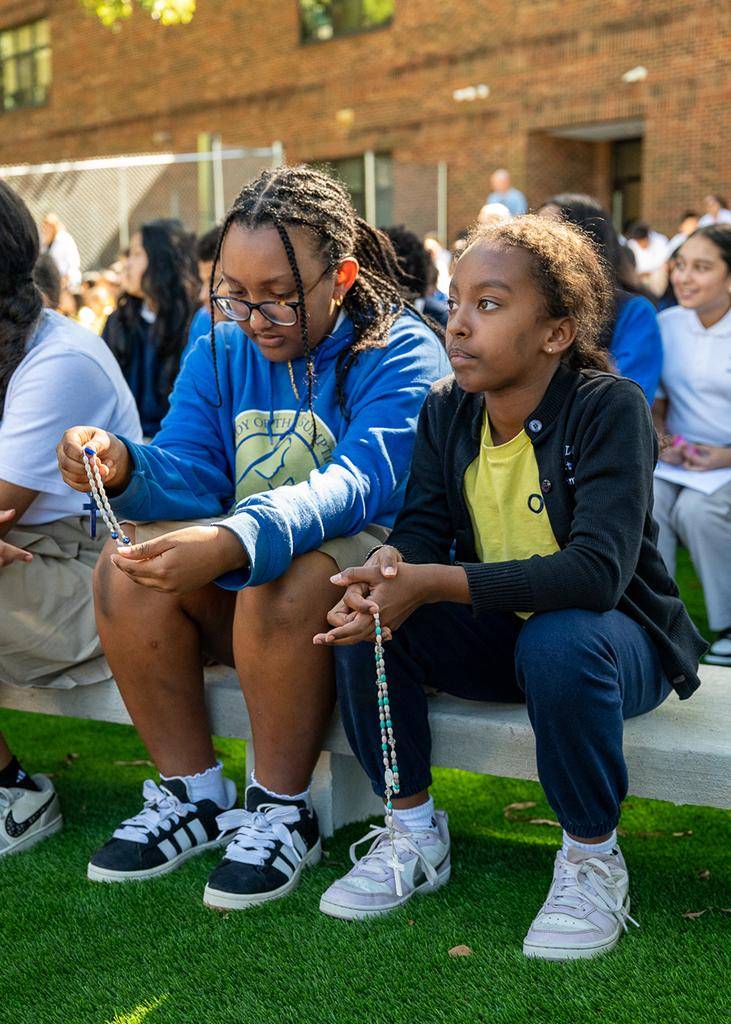
This planting begins in the ordinary and sacred moments of parish life. It takes shape in the catechists who make Scripture come alive, in parents who pray at the dinner table and share stories of saints who look like their children, and in priests and deacons who invite young believers to serve at the altar, proclaim the Word or help plan liturgies. Each of these small acts becomes a seed of faith, watered by love and trust that the Holy Spirit will bring forth abundant fruit.
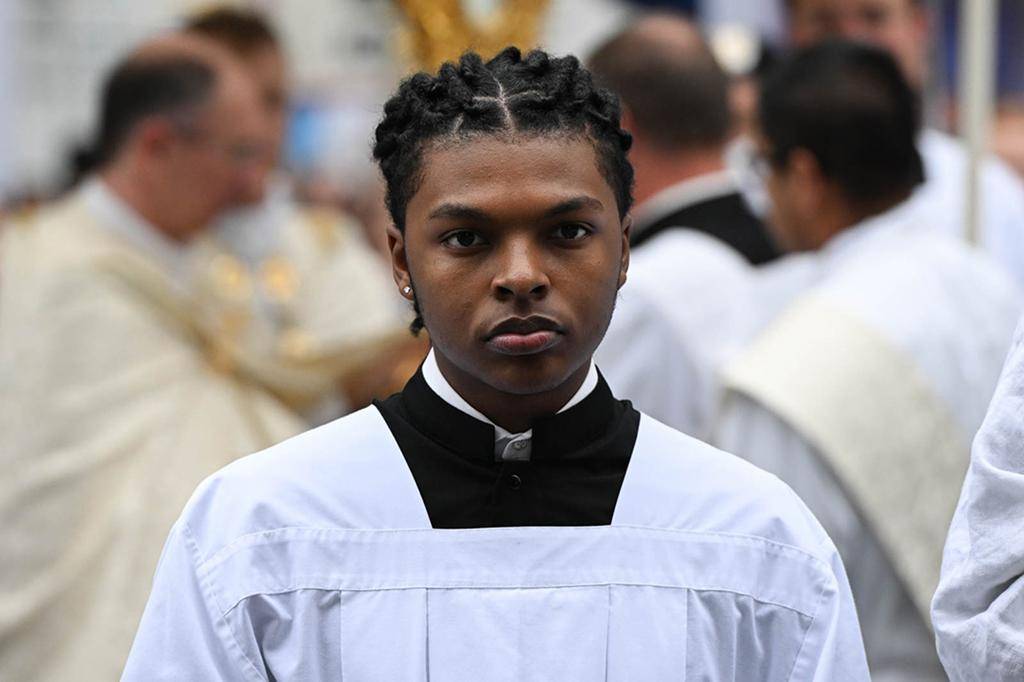
To truly help faith take root, we must offer more than instruction, we must issue invitations. Let’s invite young Catholics to take ownership of their faith through music ministry, parish technology and communications teams, social justice outreach and service projects that connect Gospel values to the world around them. Youth choirs, lectors, altar servers and parish ambassadors not only gain confidence in leadership but also see their faith come alive through service. Mission trips, retreats and mentoring programs create sacred spaces where young disciples can ask questions, find guidance and discern their unique callings.
Adults can grow in faith by walking alongside younger believers, learning from their openness, their questions and their courage to live the Gospel in a changing world. Every act of inclusion strengthens the foundation of tomorrow’s Church, reminding us that we are co-workers in God’s vineyard, each planting, nurturing and celebrating the seeds of faith that will continue to bear fruit for generations to come.
Growing together in faith and hope
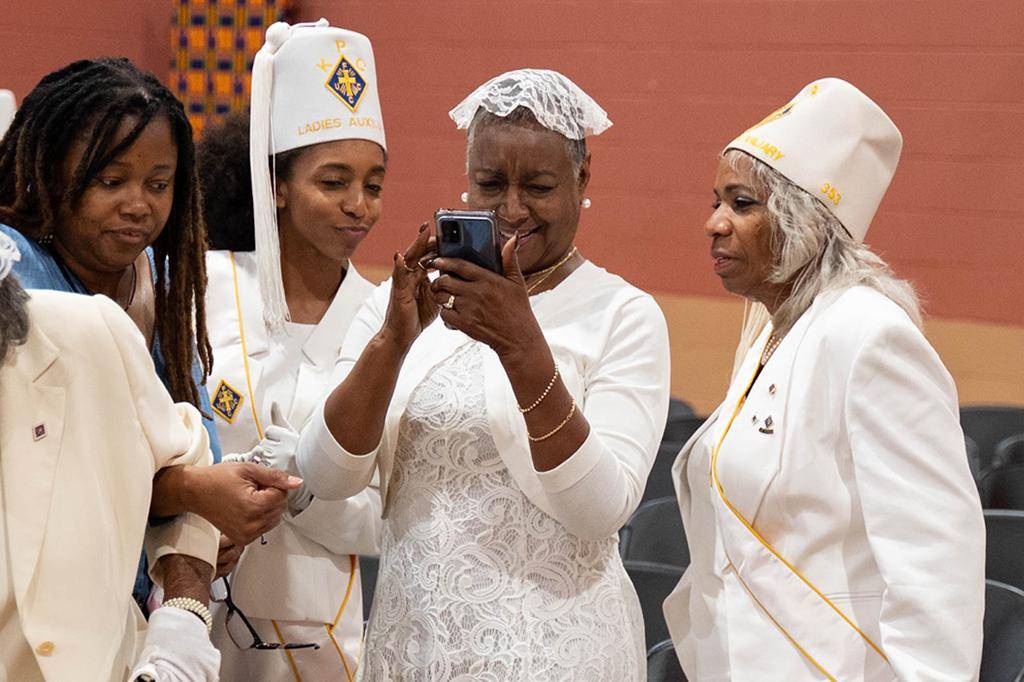
As we honor Black Catholic History Month, may we each take a moment to remember those who planted the first seeds of faith in our lives and to reflect on the soil we are preparing for those who will come after us. Our ancestors tended this faith through prayer, perseverance and hope, cultivating a legacy that continues to bear fruit in our parishes, families and hearts.
Passing the faith is both a gift and a responsibility. It calls each of us to reflect on what has taken root in us and what we are planting for the next generation. The Church of tomorrow is growing among us through young believers who bring fresh life to our ministries and worship.
Through their growth, creativity and faith, we find the enduring truth of our heritage: The God who guided our ancestors still guides us and continues to call us forward, together, as one family of faith.
— Rosheene L. Adams and Father Chukwunonso A. Nnebe-Agumadu. Rosheene L. Adams leads the African American Affairs Ministry in the Diocese of Charlotte. She and Father Chukwunonso A. Nnebe-Agumadu shared their views on how to pass on the faith to the next generation.
What is Black Catholic History Month?
— USCCB
At www.catholicnewsherald.com: Read more about Black Catholics throughout history, including popes, saints and notable Black Catholic leaders.