

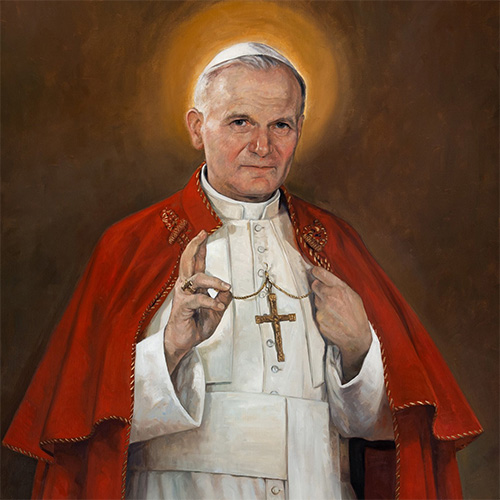
 The pope’s visit offers a unique historical symmetry: The basilica’s cornerstone was laid in 1882 during the pontificate of Pope Leo XIII. Now, 144 years later, his namesake inaugurated the Tower of Jesus Christ. St. John Paul II visited the partially constructed basilica on Nov. 7, 1982, noting that while the basilica was “not yet finished,” its presence has “been solid from the beginning,” which he compared to “another structure built with living stones: the Christian family.” The next time a Roman pontiff would visit the basilica was in 2010, when Pope Benedict XVI consecrated the altar during a dedication ceremony, thus opening it for public worship.
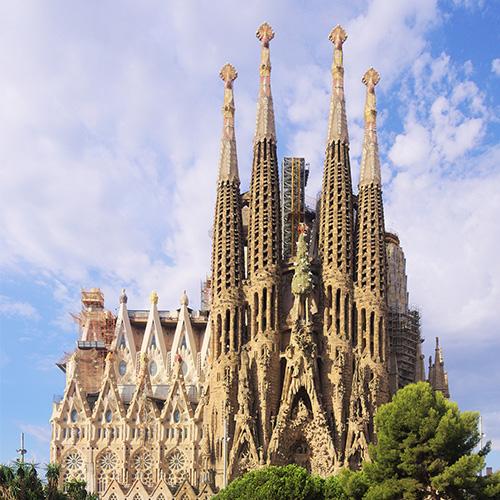 If a visit to Spain is in your summer travel plans, the basilica is a can’t-miss UNESCO World Heritage site that offers a variety of tours. If you are staying closer to home, there are virtual and photographic tours on the basilica’s website of this breathtaking landmark whose towers to Mary and the four evangelists reach up to the heavens. Educational resources for students and schools can also be found on the site.