

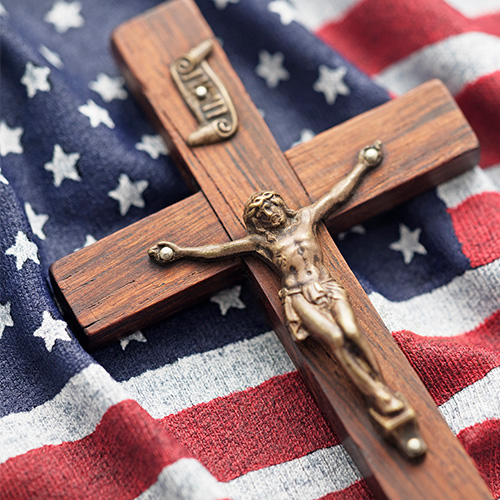
 The USCCB is encouraging Catholics to take part in “250 Hours of Adoration.” Parishes across the country offered Holy Hours leading up to the June 11 consecration of the country to the Sacred Heart of Jesus. However, the need to spend some time in prayer for our country with Jesus in the Blessed Sacrament didn’t end with the consecration. Catholics can still pray for unity and healing by using the prayers and readings from the USCCB during their own adoration hours.
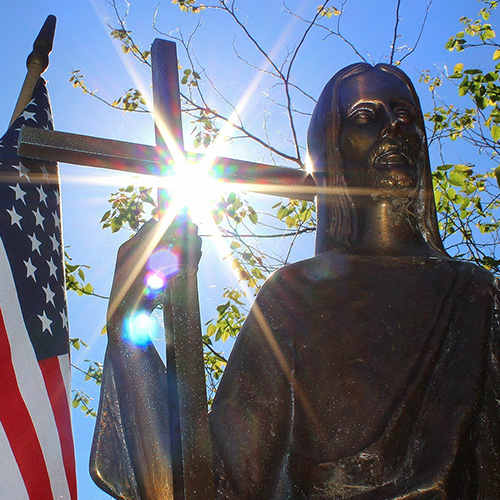 The U.S. Conference of Catholic Bishops has compiled on its website (www.usccb.org) a series of videos, podcasts and articles highlighting the contributions of Catholics and the impact of our faith on the history of this country. From the founding of the country to the dehumanizing treatment endured by Black and Indigenous peoples to the waves of immigration that have shaped the nation and the lasting impact of religious sisters on our medical institutions, learn more about the role of Catholicism.