


‘Shine the Light of Christ in our world’
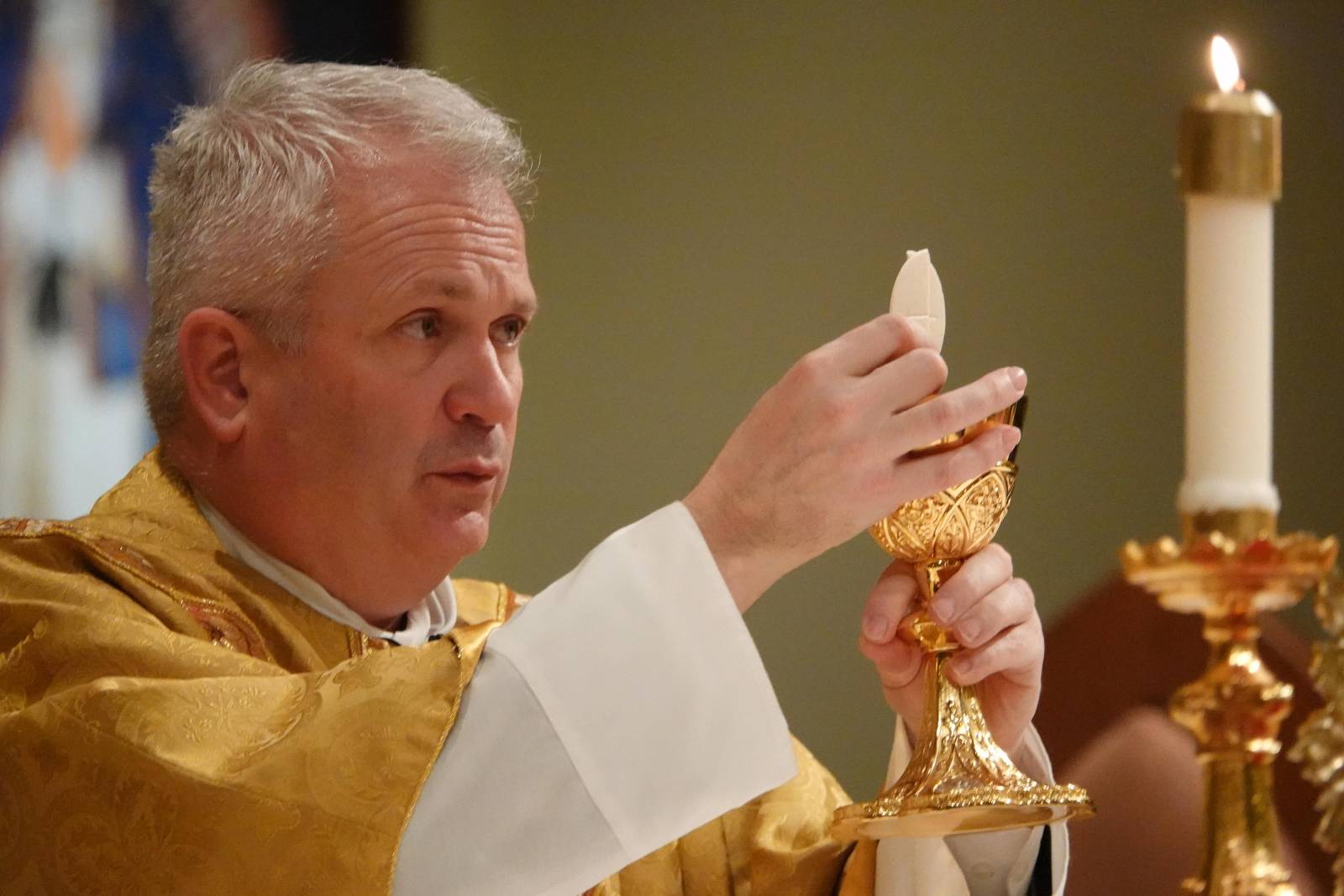
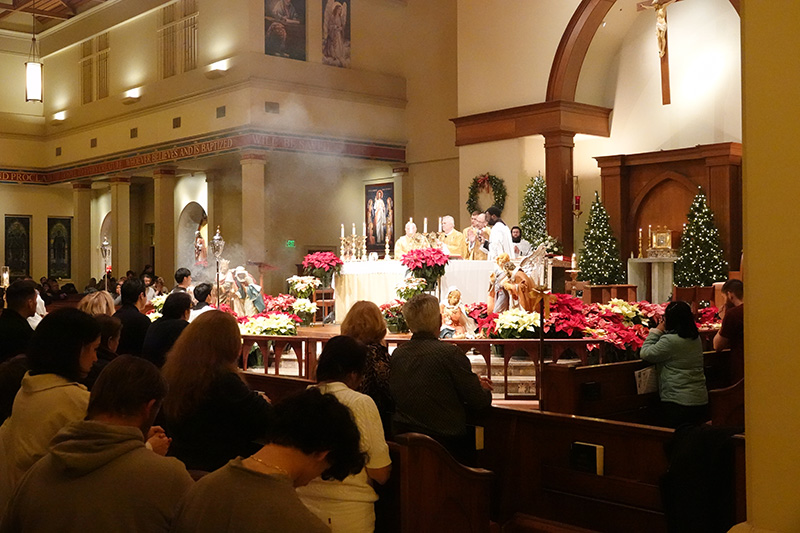 Jubilee Year of Hope came to a close at St. Lawrence Basilica in Asheville, St. Pius X Church in Greensboro and St. Mark Church in Huntersville. Monsignor Patrick Winslow, vicar general of the diocese, celebrated the Masses in Greensboro and Huntersville, pictured above. DIOCESE OF CHARLOTTE — Crowds gathered for three Masses – Saturday at St. Lawrence Basilica in Asheville and Sunday at St. Pius X Church in Greensboro and St. Mark Church in Huntersville – got to take part in two celebrations – the end of the Jubilee Year of Hope and the feast of the Epiphany.
St. Lawrence Basilica
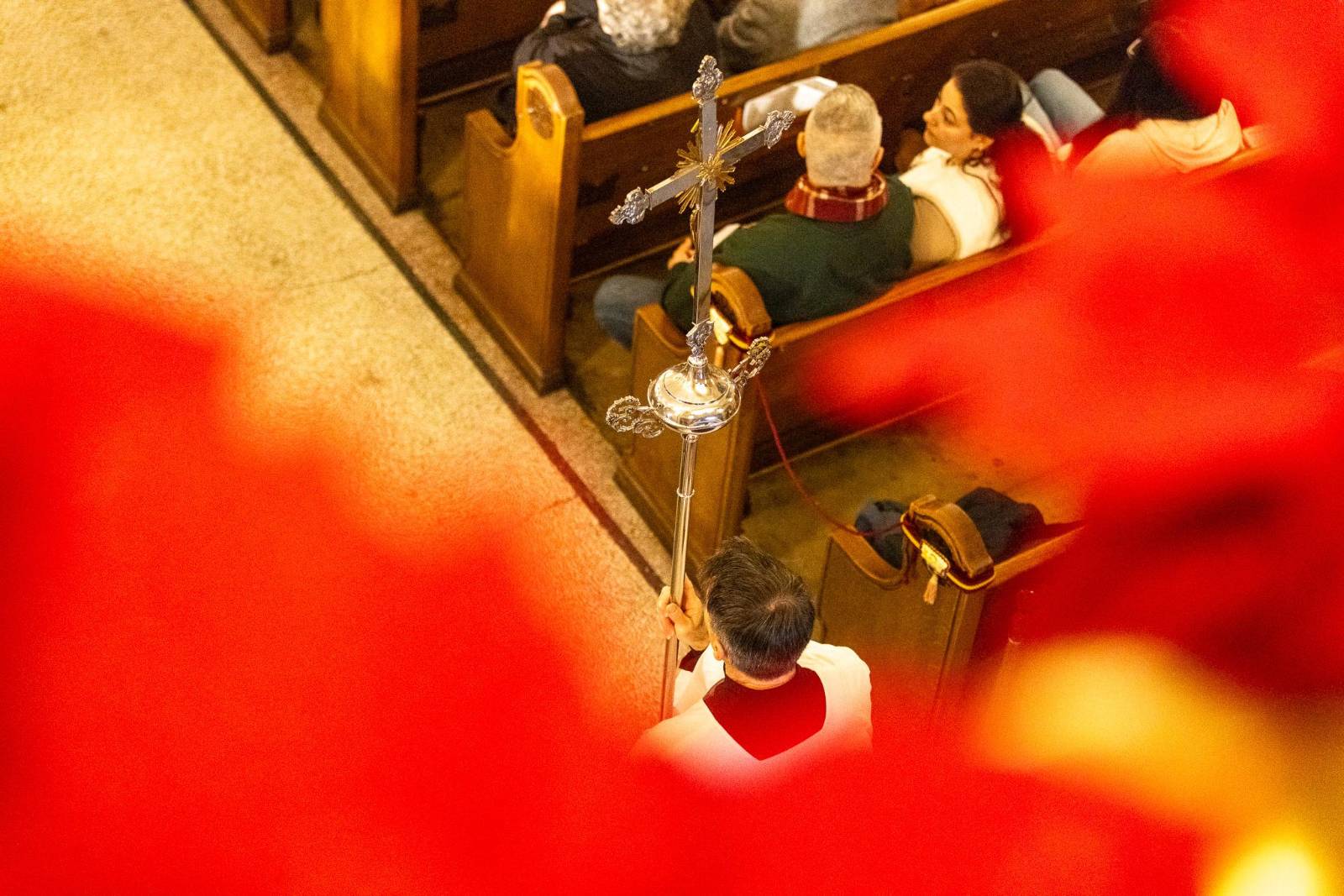
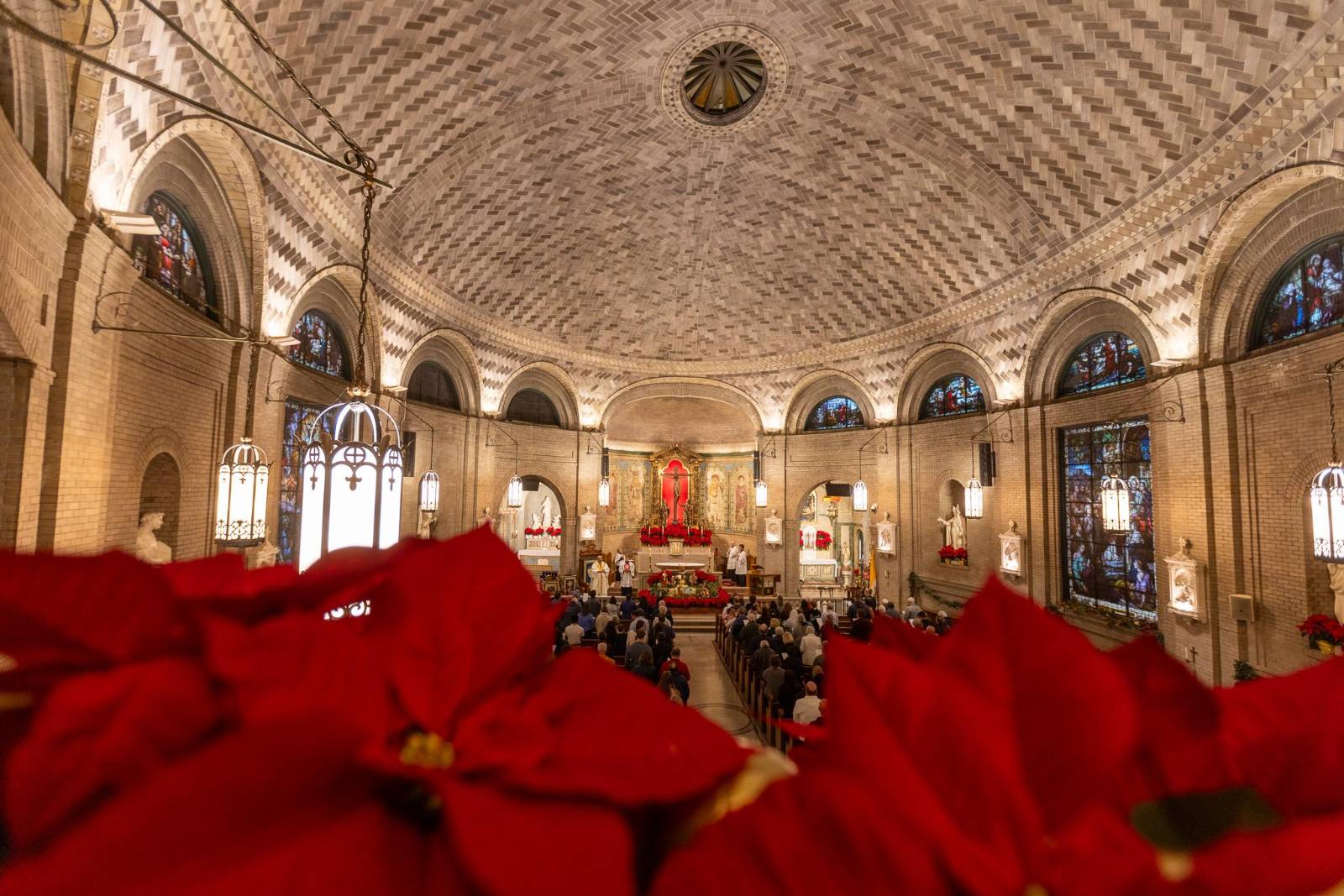
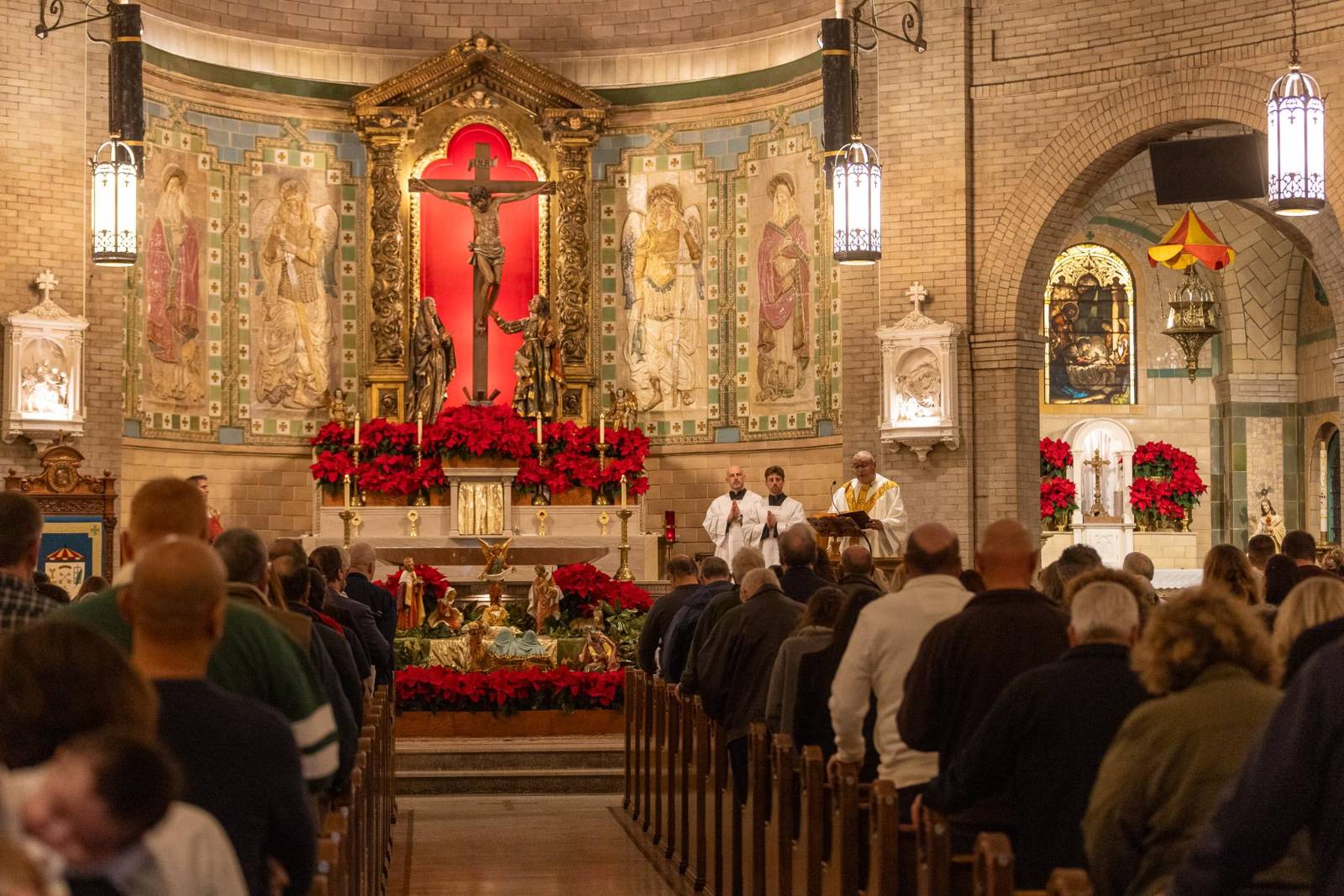
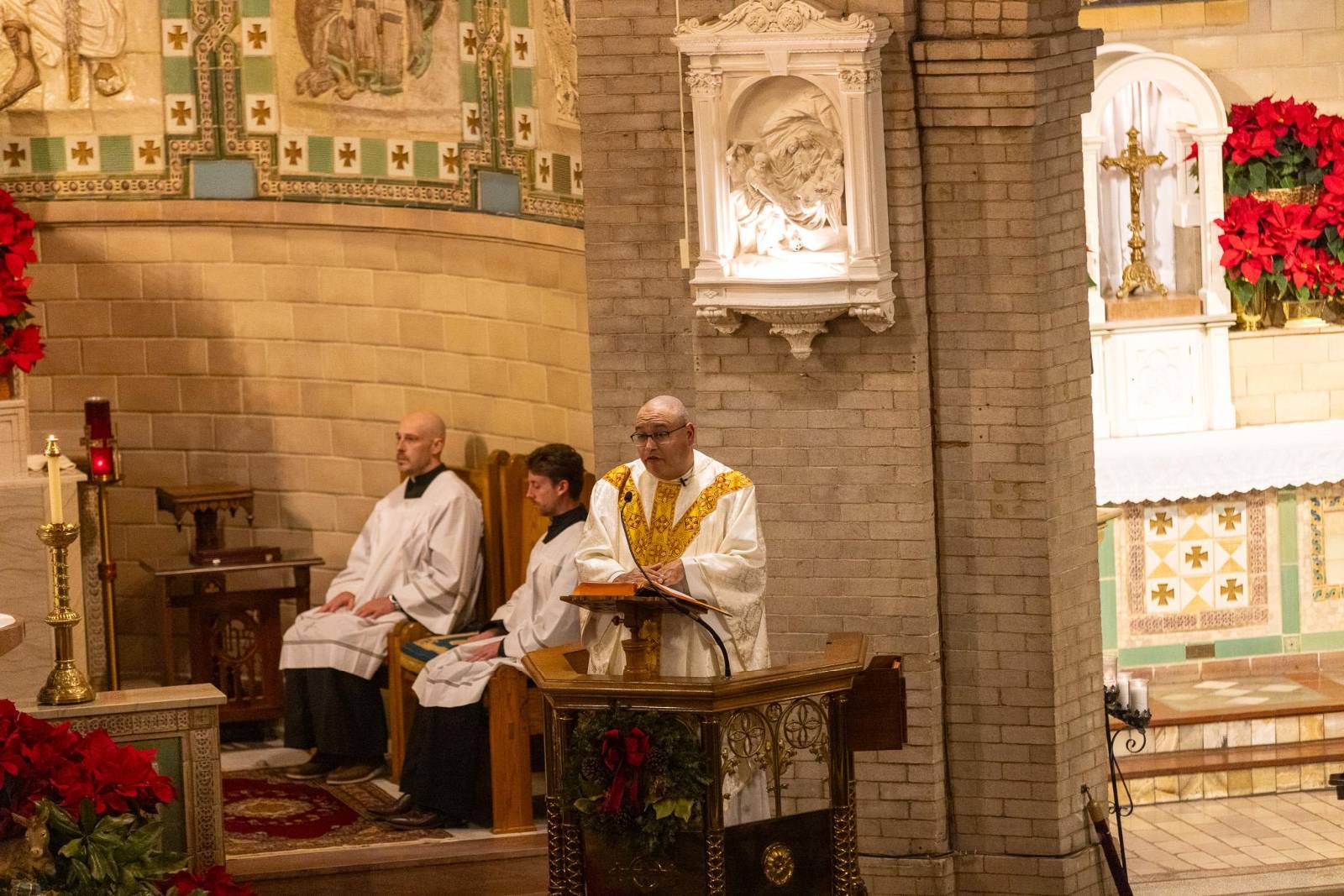
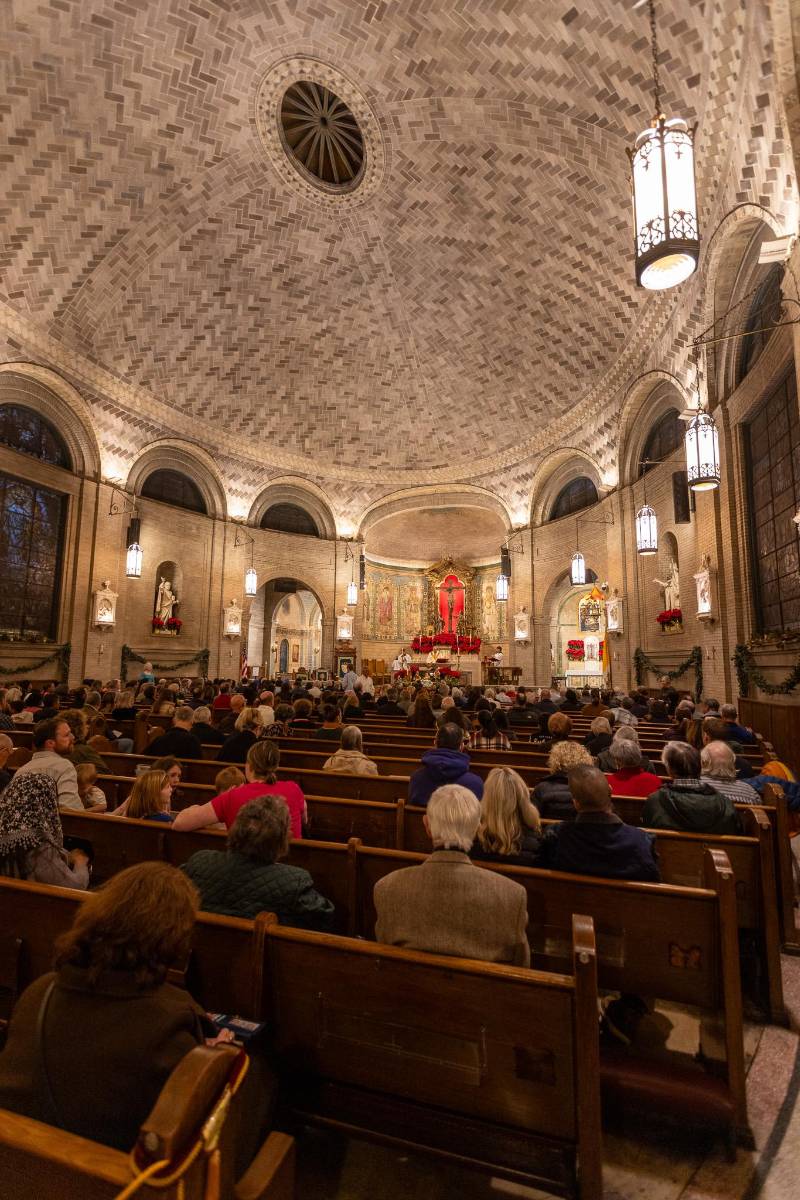
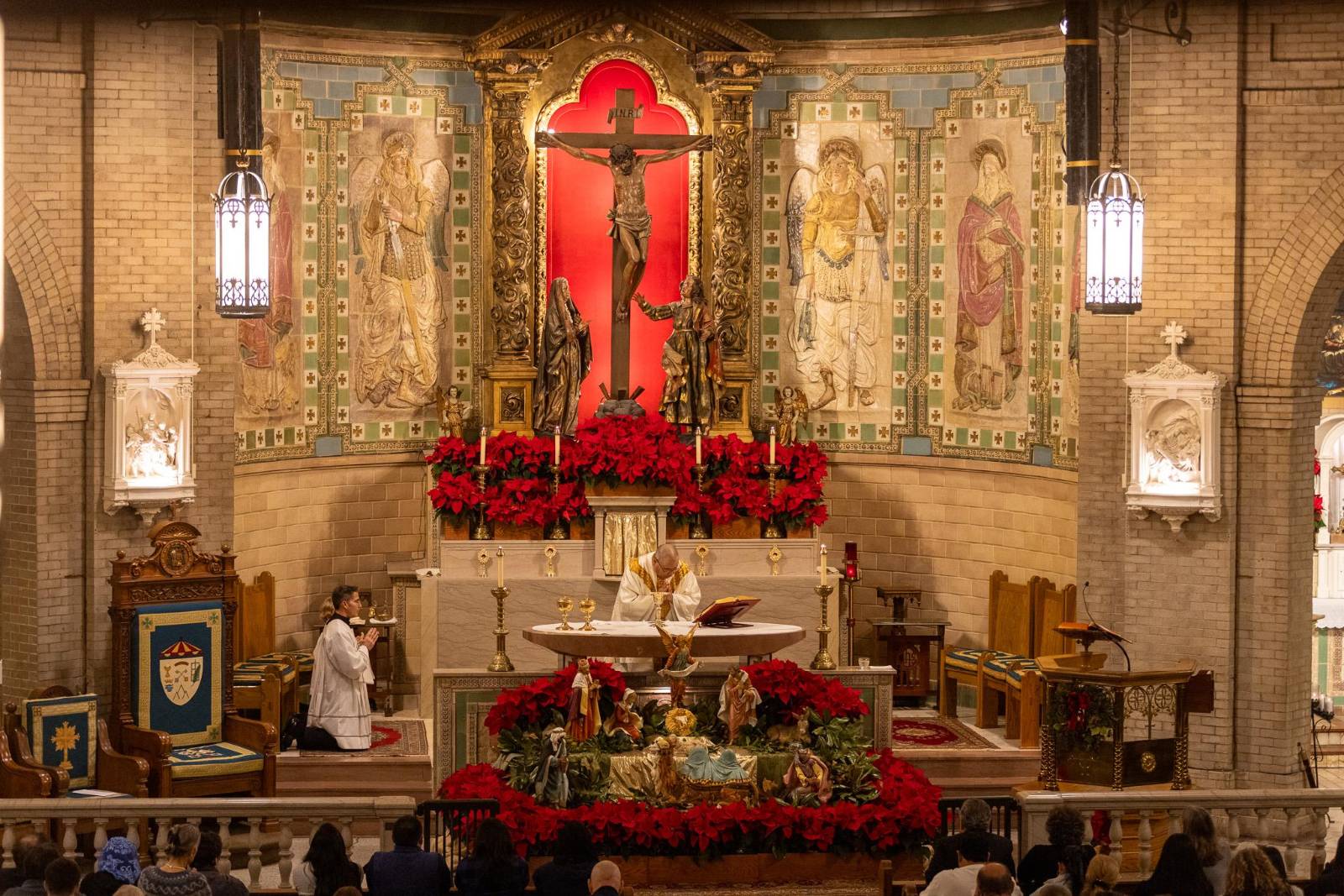
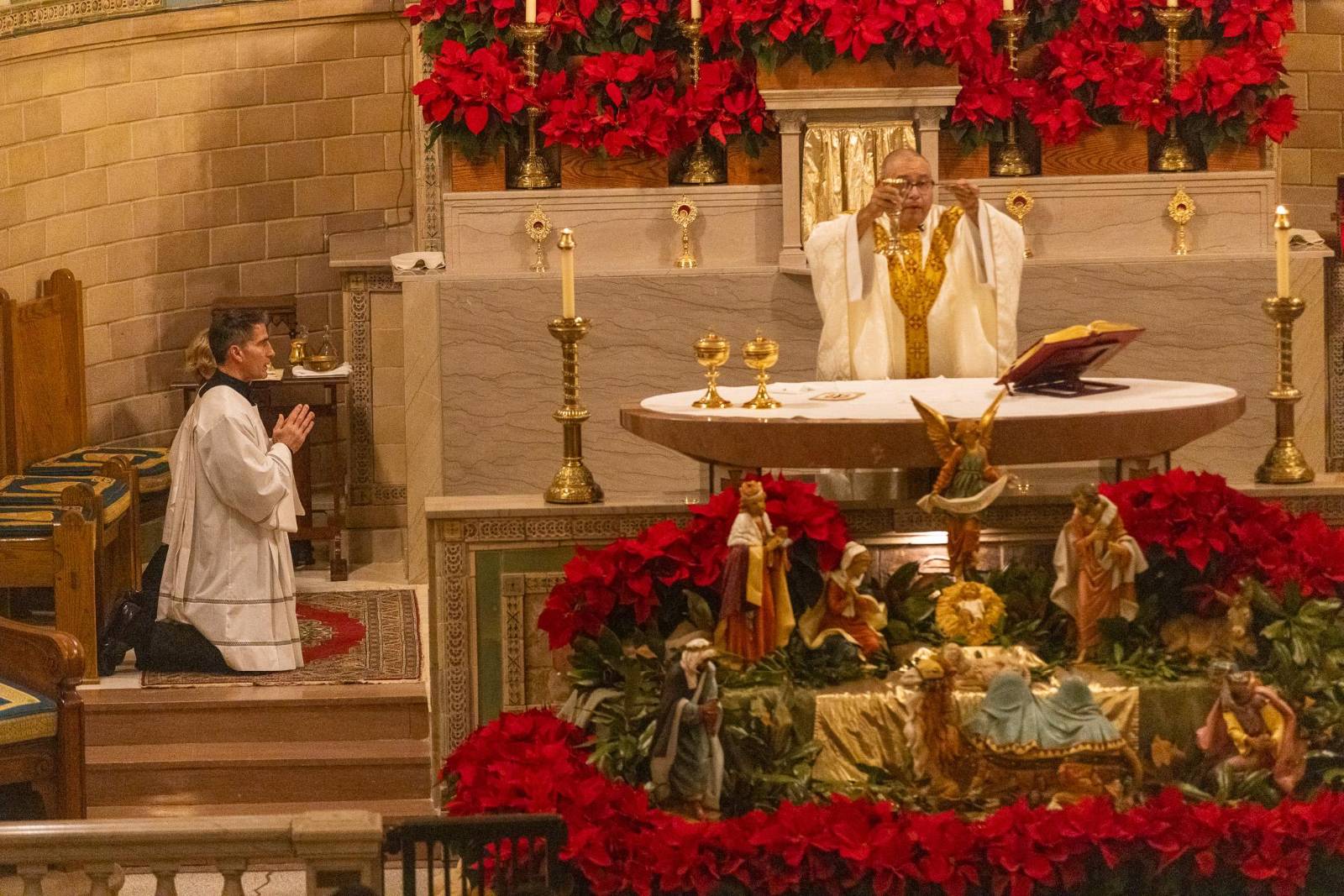
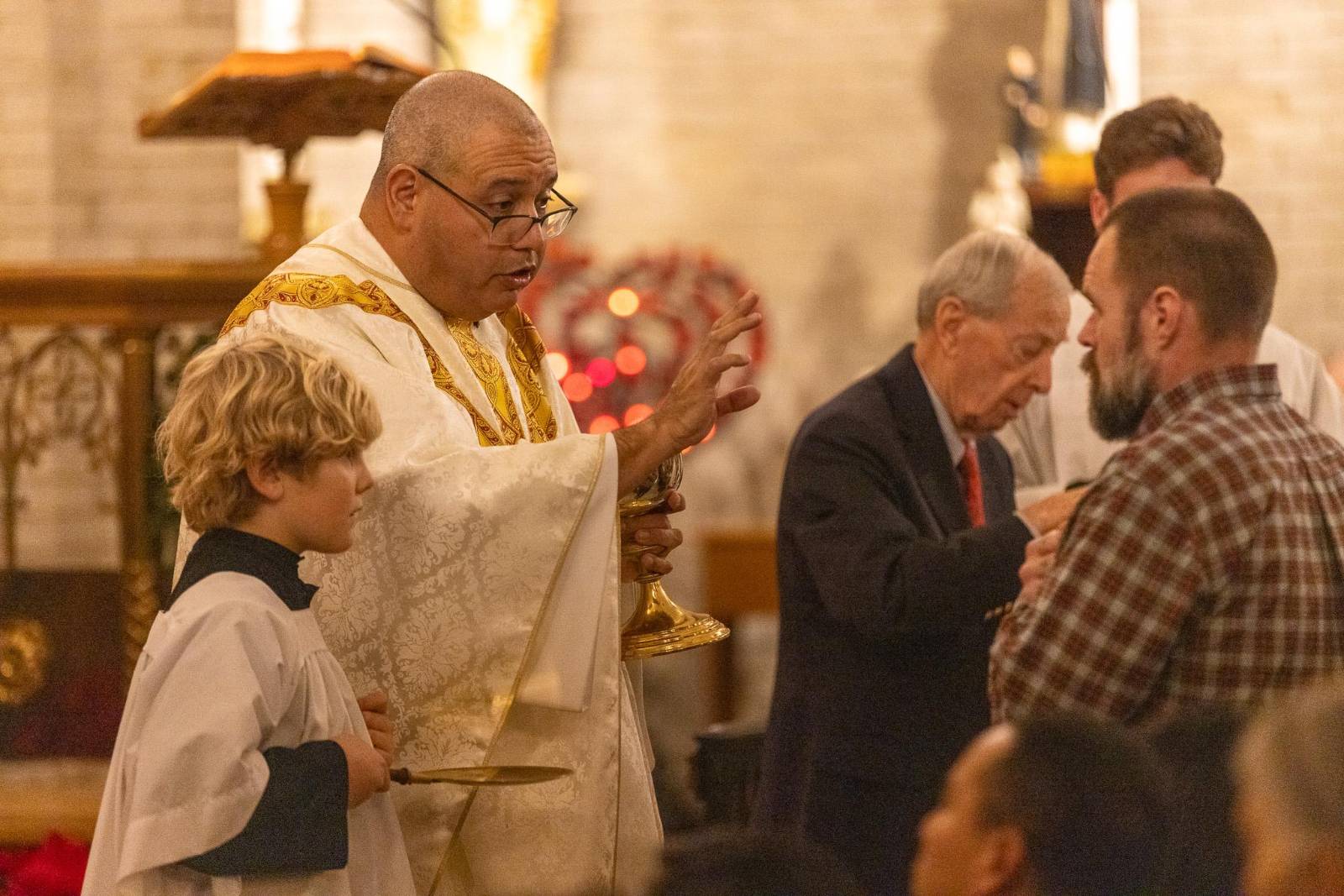
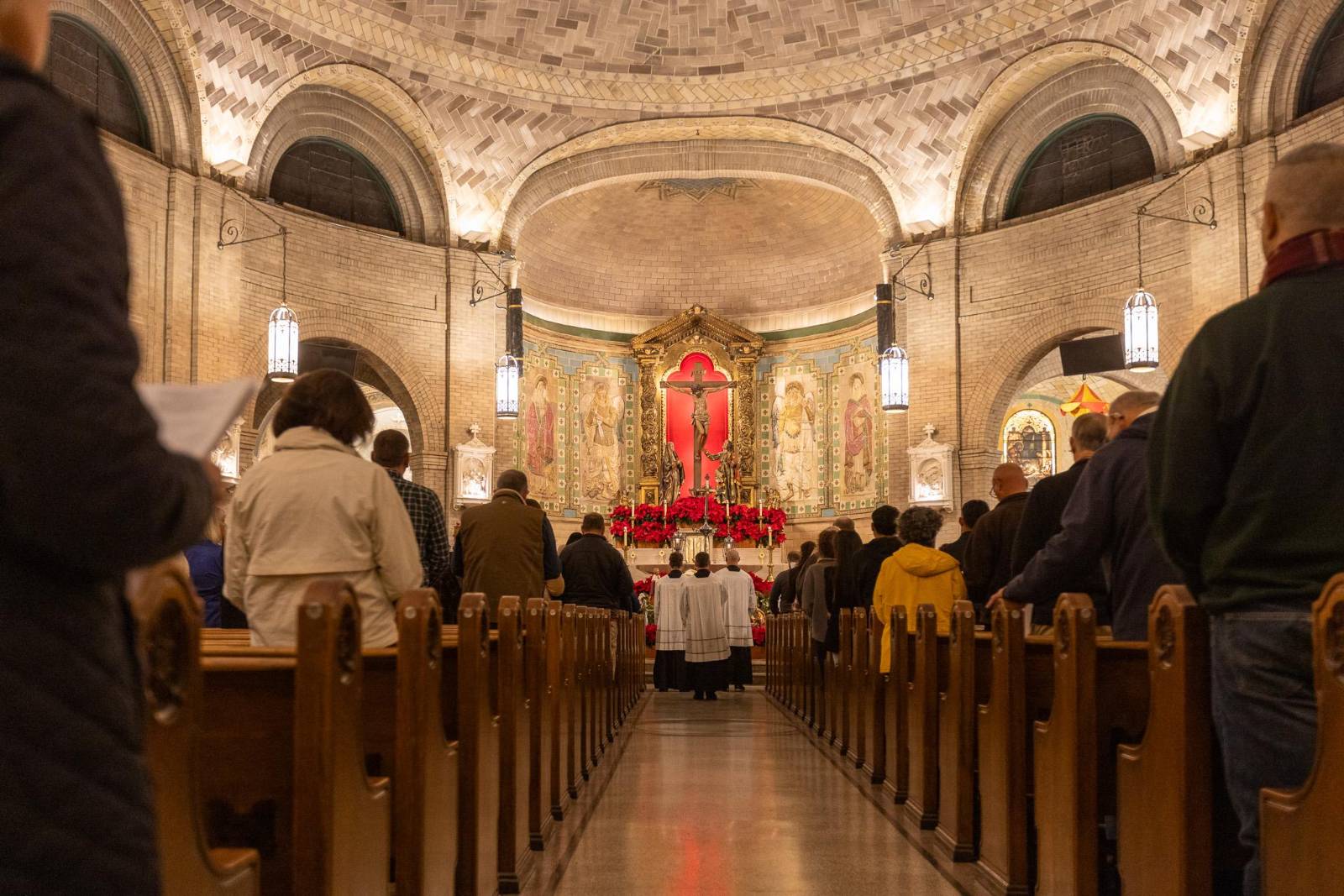
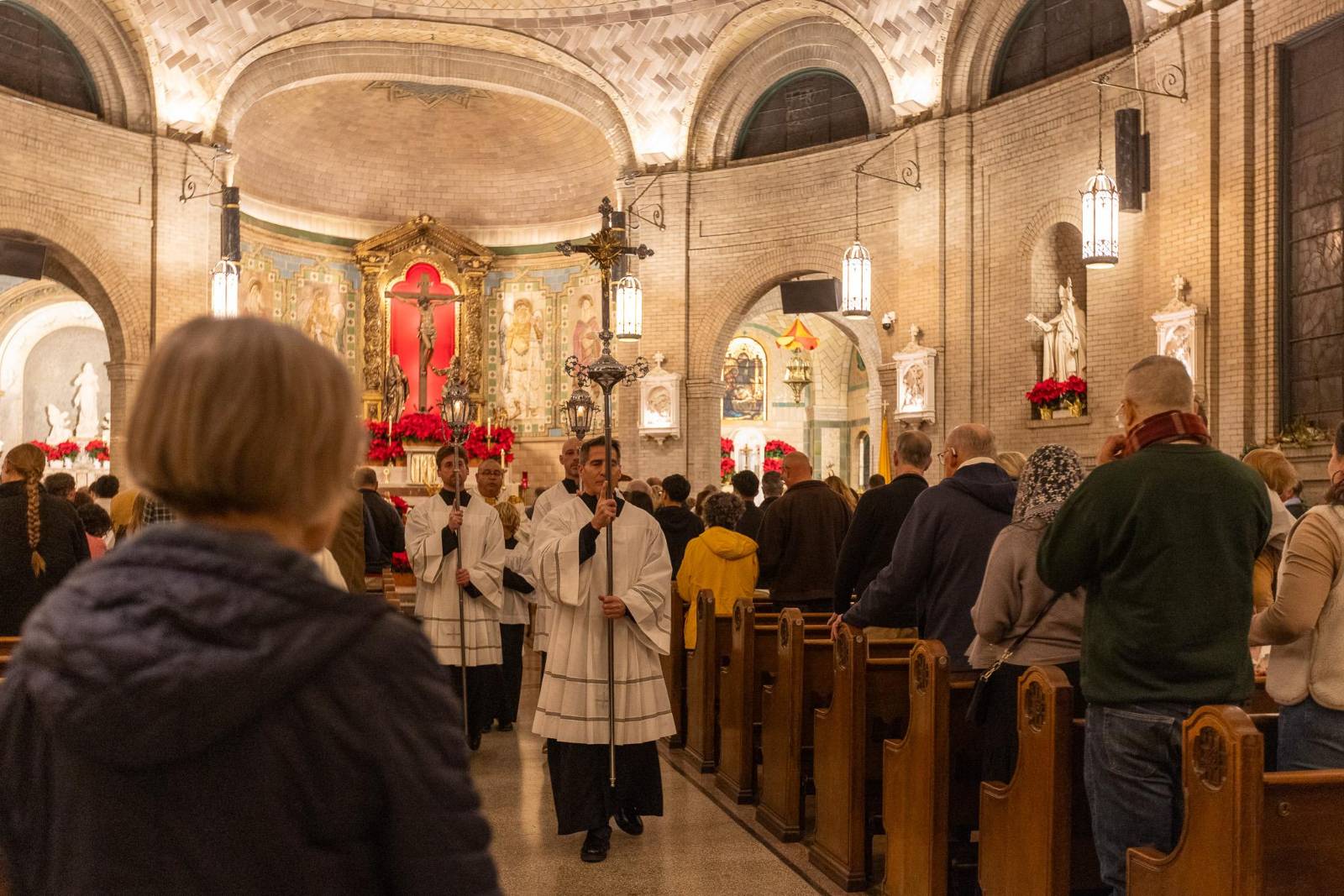


At the 5 p.m. Mass Saturday at St. Lawrence, Father Adrian Porras, vicar forane for the Asheville vicariate and pastor of St. Barnabas Church in Arden, celebrated the Mass and preached a homily that tied the meaning of the two celebrations together.
It was a full-circle moment for the Basilica because the Jubilee Year 2025: “Pilgrims of Hope” officially opened there in the diocese on Dec. 28, 2024, with a Mass celebrated by Monsignor Roger Arnsparger.
The tradition of a Holy Year – or jubilee - is based on the Old Testament concept of a year of rest, forgiveness and renewal. During holy years, Catholics make pilgrimages to designated churches and shrines, recite special prayers, go to confession and receive Holy Communion to receive a plenary indulgence, which is a remission of the temporal punishment due for one’s sins. The Basilica served as one of the diocesan pilgrimage sites during the year.
Father Porras drew smiles and laughs from people in the pews as he drew a comparison between St. Lawrence – in the midst of a massive renovation project – and his own parish, which is building a parish life center.
His homily then tied together the story of the three Magi from the East who visited the Holy Family and the “Pilgrims of Hope” theme, which encouraged the faithful to bring Christ’s light to the world.
He gave a brief historical account of the Magi, “these three who travel great distances during a time when travel was very dangerous.” Some studies indicate, he said, that the Magi were likely practitioners of the Zoroastrian faith, a monotheistic religion common in Persia, now modern-day Iran, during the time of Christ. The Magi were learned people who studied astronomy, science, languages and literature, including Hebrew Scripture.
“They studied the cosmos and along with their study, they had a desire for God,” he said. “This led them to Bethlehem. To come before the child Jesus they followed the star of Bethlehem. Its light is the revelation of Christ to the Magi as Christmas was Christ’s revelation to the shepherds.”
Just as the Magi used their knowledge to help them find the Christ child, Father Porras encouraged the congregation to use their faith to spread their belief in Christ to a world that desperately needs it.
“On this great feast of the Epiphany and as the Holy Year ends, these three Magi serve as models,” he said. “They give us hope there before the Lord of all nations. Like the Magi, may we too bring our gifts before God and use them to further his kingdom. We are called to be bearers of the light, messengers of God’s kingdom. It is so necessary that we shine the light of Christ in our world that so desperately needs to see and know the truth of the Gospel.”
Just as the star revealed the Christ child to the Magi, Father Porras said the light of discipleship can help reveal the Gospel to people who are hurting.
“There is so much anger, anxiety and loss in our society – that’s what happens when you no longer believe but try to rely on other things – movements, political philosophies,” he said. “The foundation of everything is our faith in this child Jesus who will liberate the world with his life, his love and his sacrifice.”
As St. Lawrence parishioner Lee Eskey noted, “This was a beautiful Mass, and it has been beautiful to be able to celebrate the Jubilee Year of Hope. It’s quite an honor that it both began and ended with celebrations here at St. Lawrence.”
St. Pius X Church
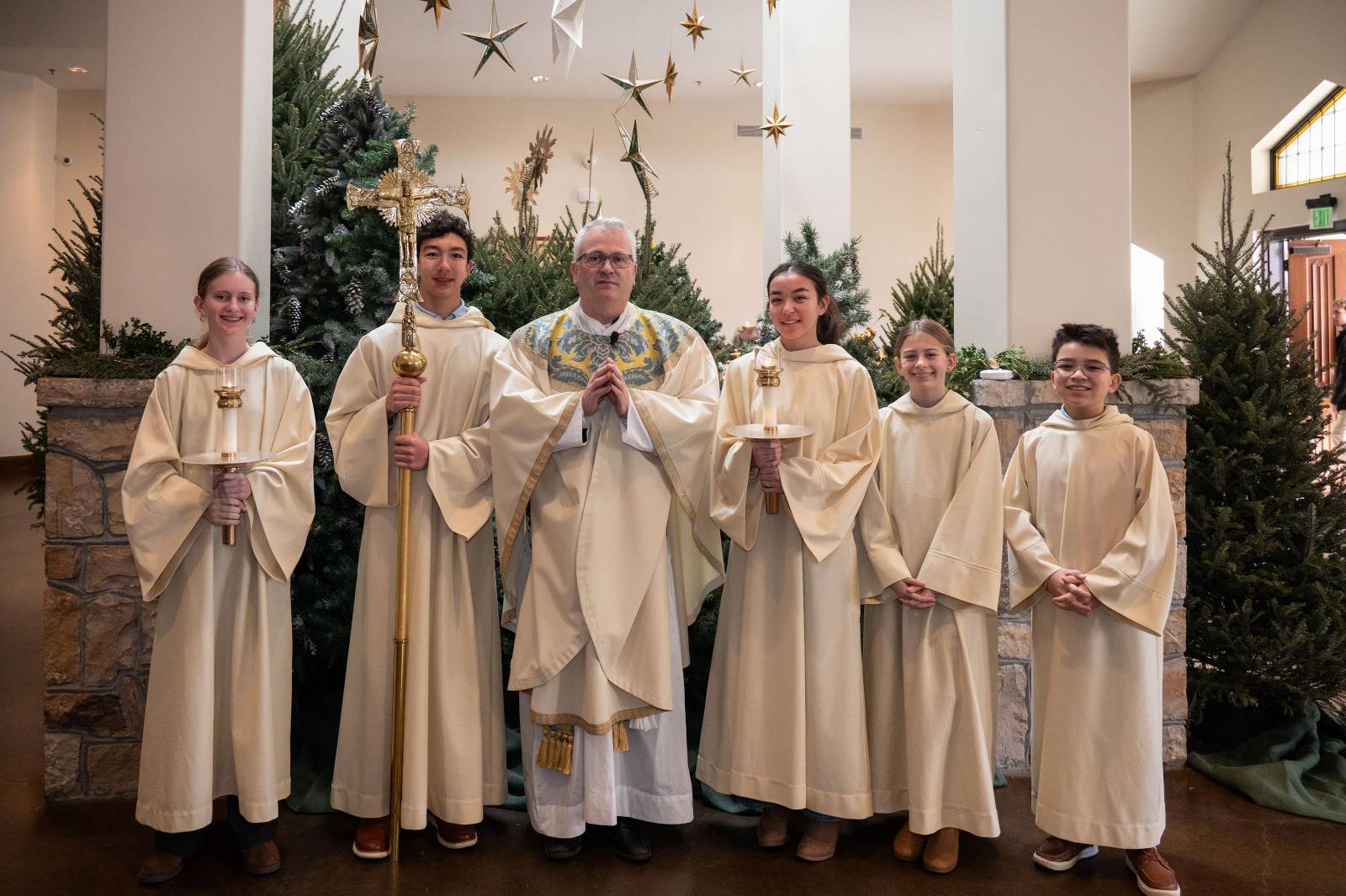
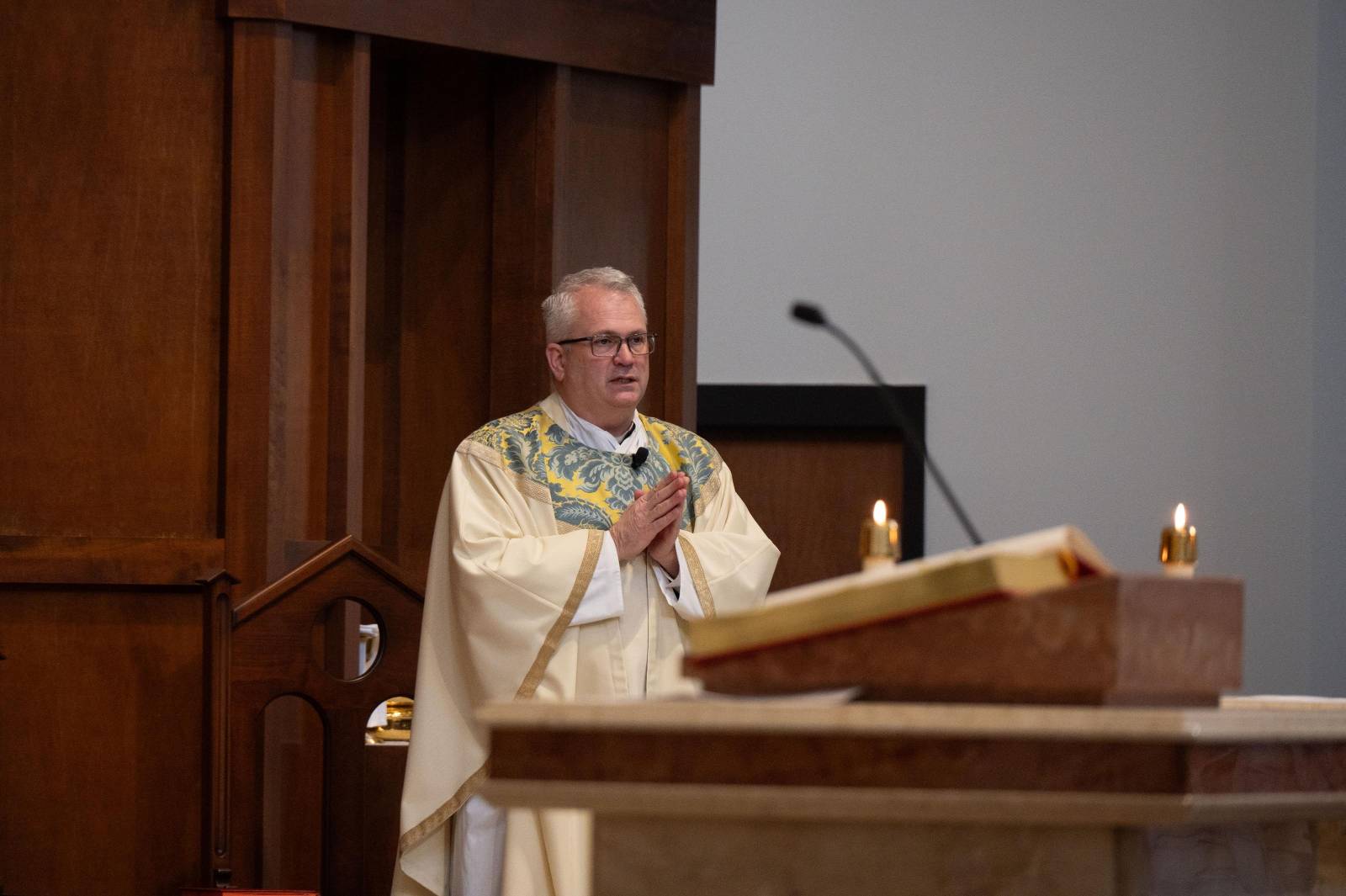
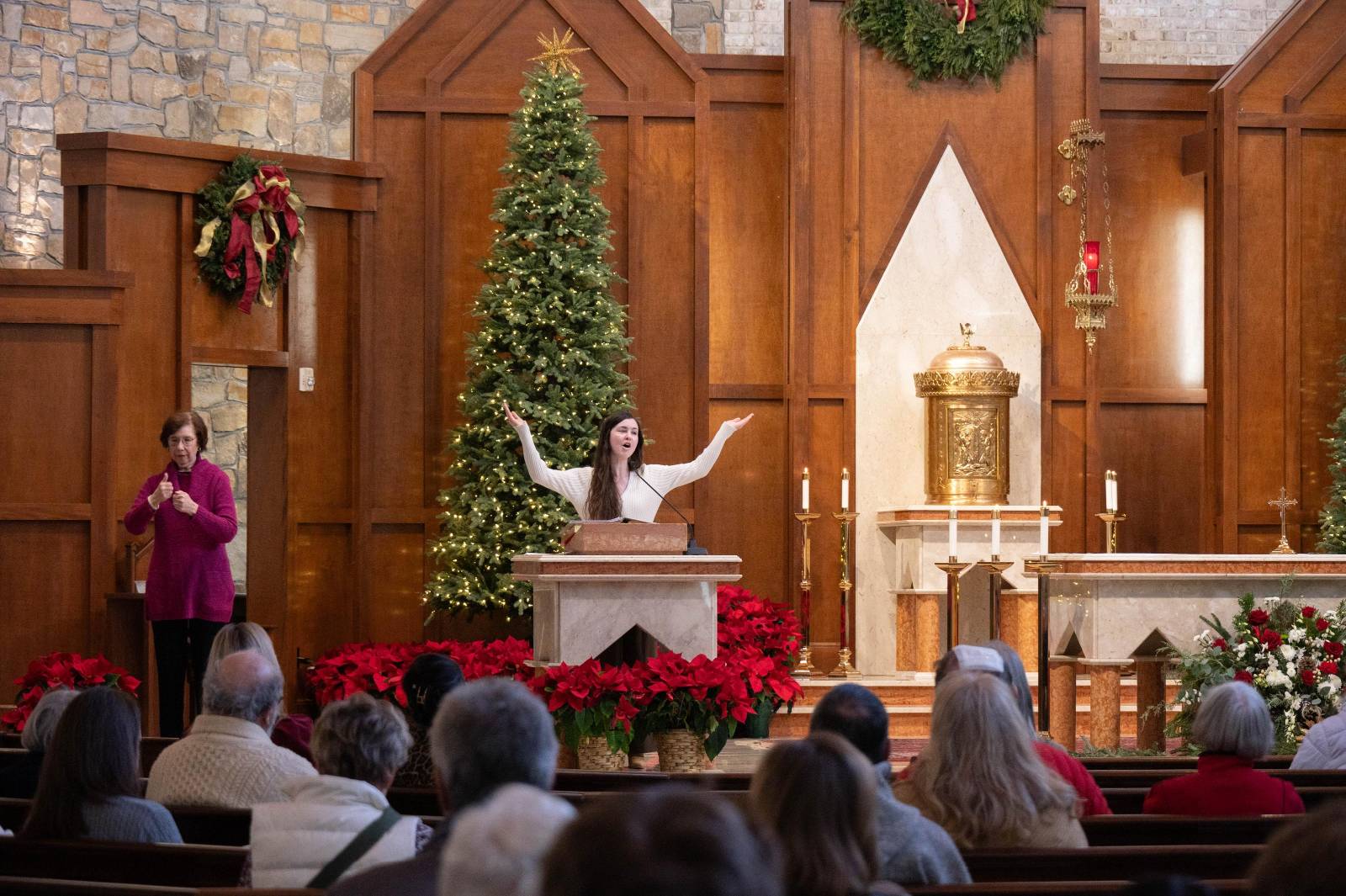
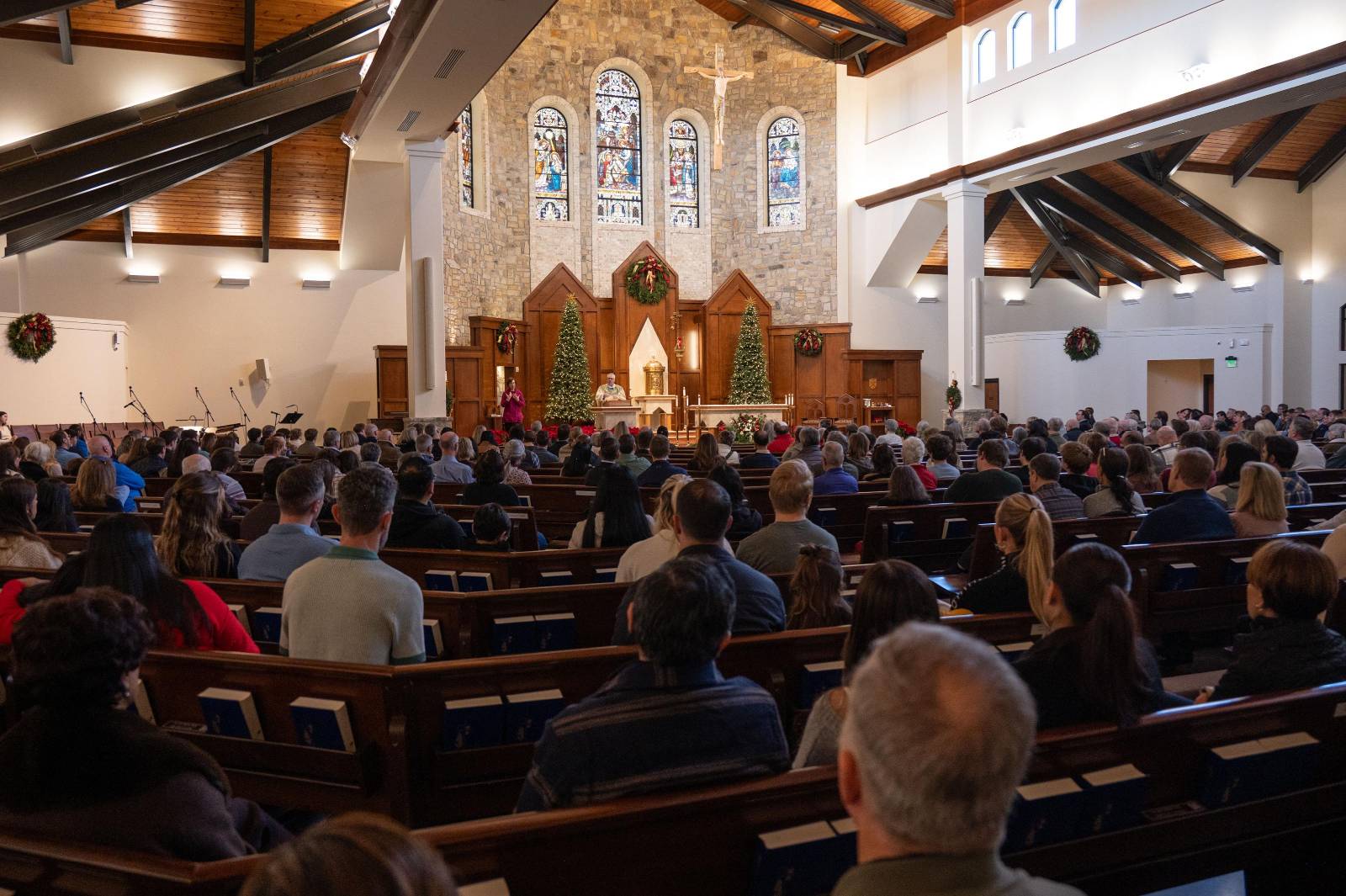
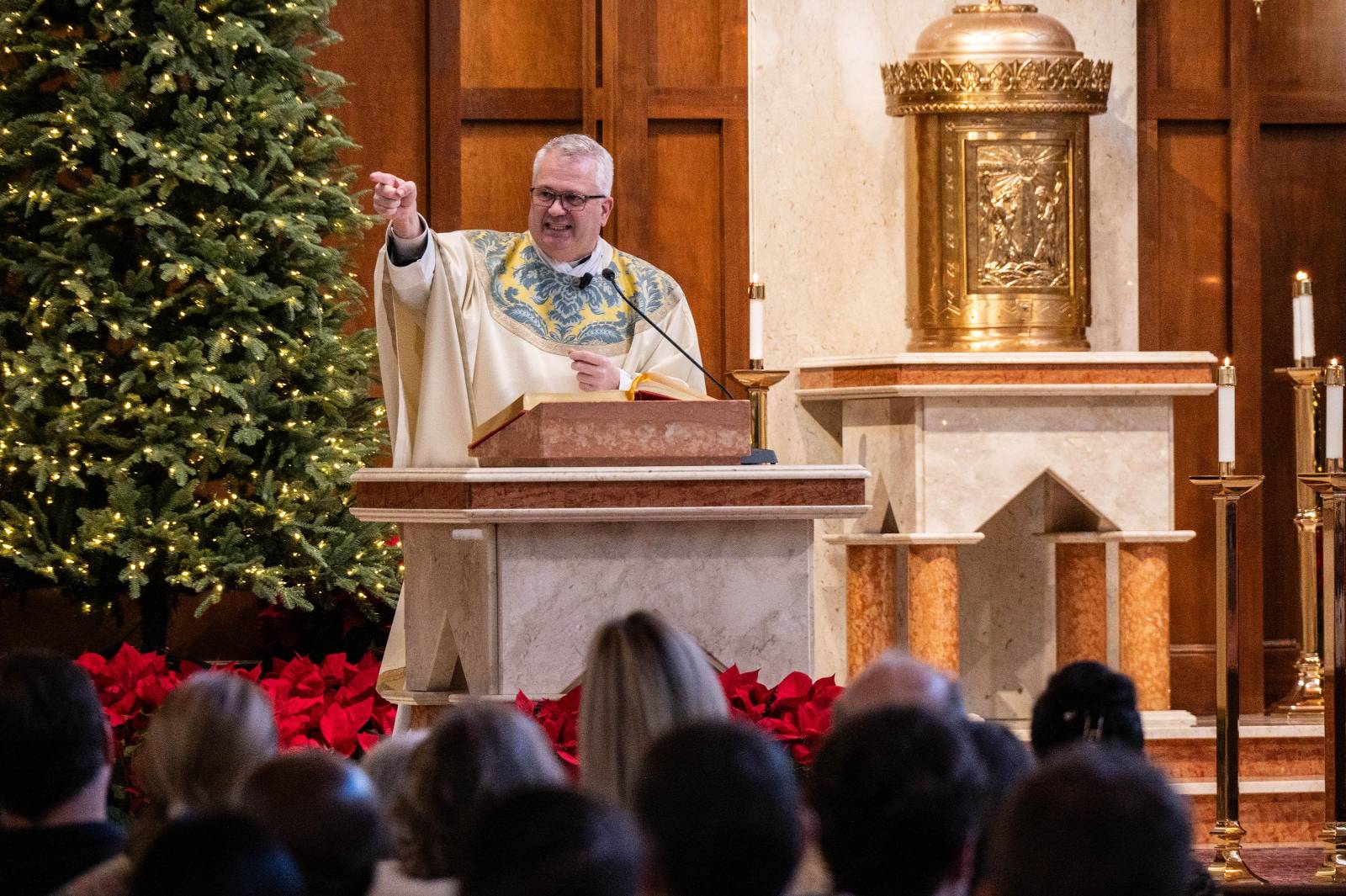
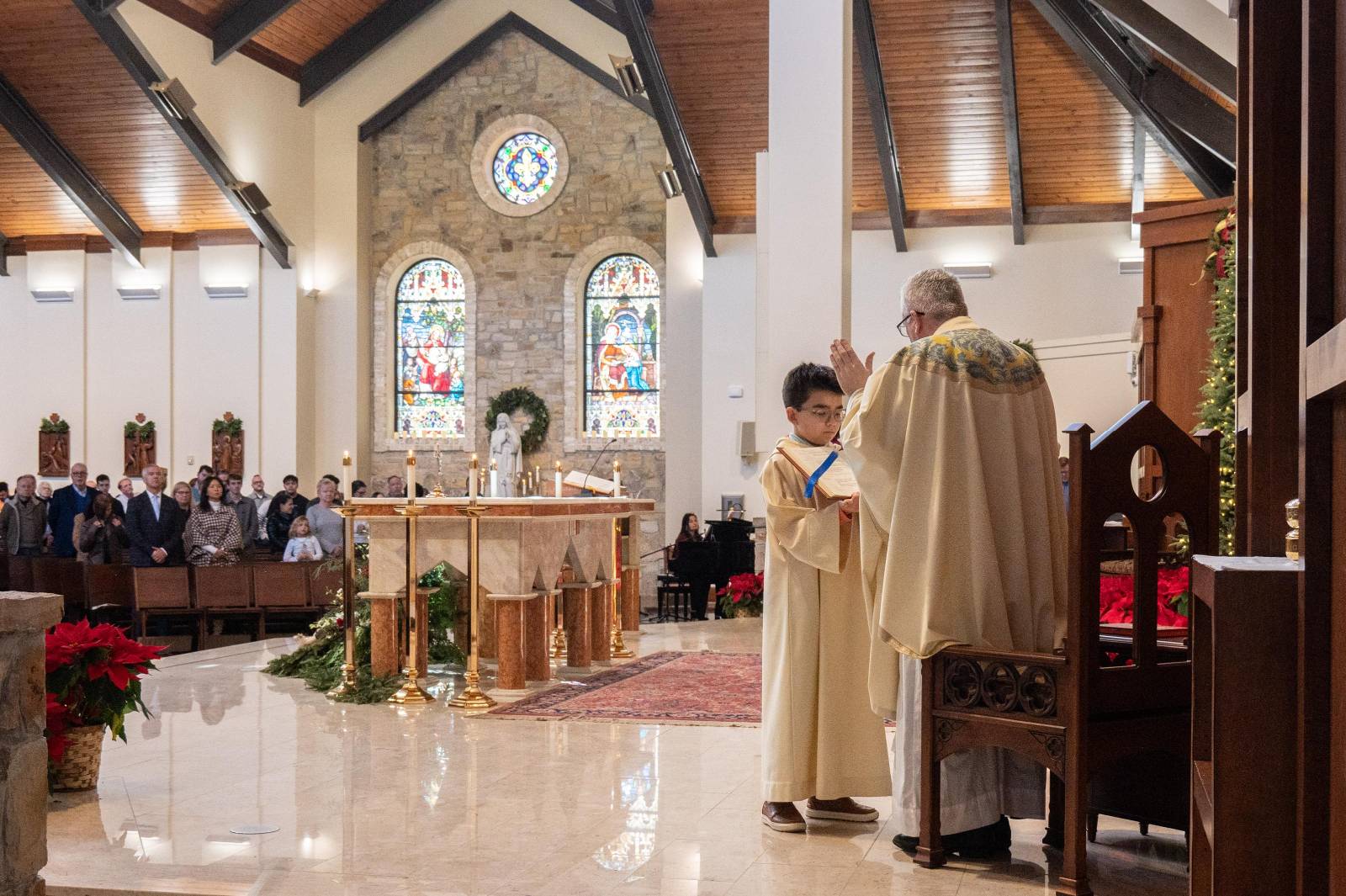
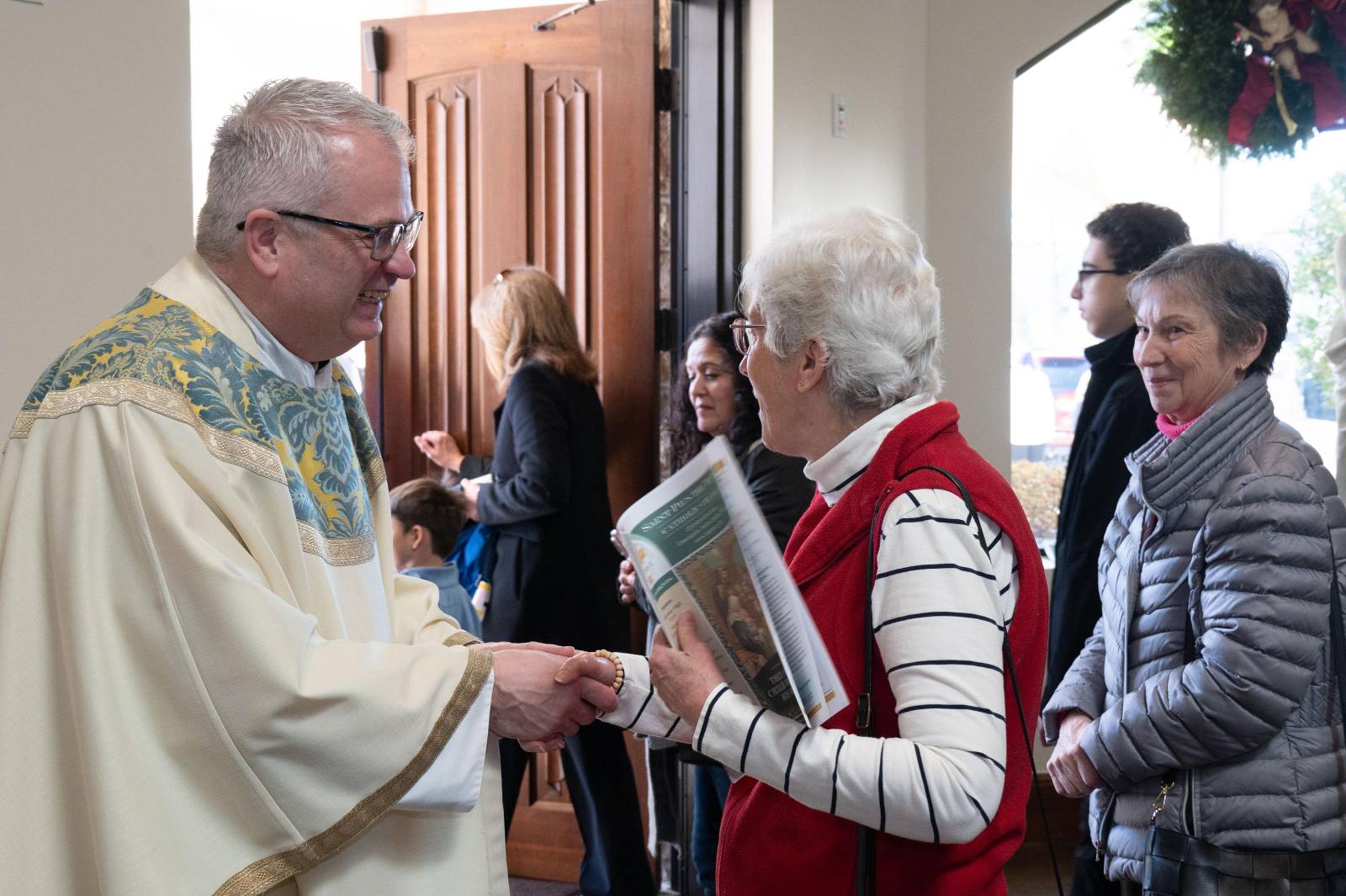


Monsignor Patrick Winslow, vicar general of the diocese, closed the Jubilee Year Sunday with Masses at St. Pius X Church and St. Mark Church.
Filled with the joy of the Christmas season and with more than 800 in attendance at St. Pius Church, Monsignor Winslow celebrated the light that led the Magi on their journey and the supernatural gift of Christian hope.
“We are highlighting one aspect of this blessed Feast of the Epiphany, the arrival of the Magi,” Monsignor Winslow explained. “Today with the Magi, we see the light that is our hope.”
Although the Jubilee Year itself is closing, “the hope of this year does not end,” Winslow said, referencing Pope Leo XIV’s Jan. 4 homily. Christian hope, he said is supernatural in nature.
“What does it mean to say supernatural?” he asked. “It means we do not have the natural power to possess it. It’s given to us. If we can’t see the end for which we are hoping, we can’t possibly hope for it, but our Christian faith reveals to us there is the resurrection and the life of the world to come,” he said.
Faith and reason lead us to join the Magi on our own pilgrimages, presenting our own gift to God, “the gift of our lives.” Monsignor Winslow said.
“Why don’t we give up?” Monsignor Winslow asked. “Because we have hope, like Jesus, we get up and begin again.”
He ended with the concluding words of Pope Leo who said, “History is in the hands of God and those who hope in Him. The hope that this year He has given us does not finish. We will continue to be pilgrims of hope. And to that end, we continue to walk together with the Magi ever toward an eternal light which is our true hope”.’
St. Mark Church
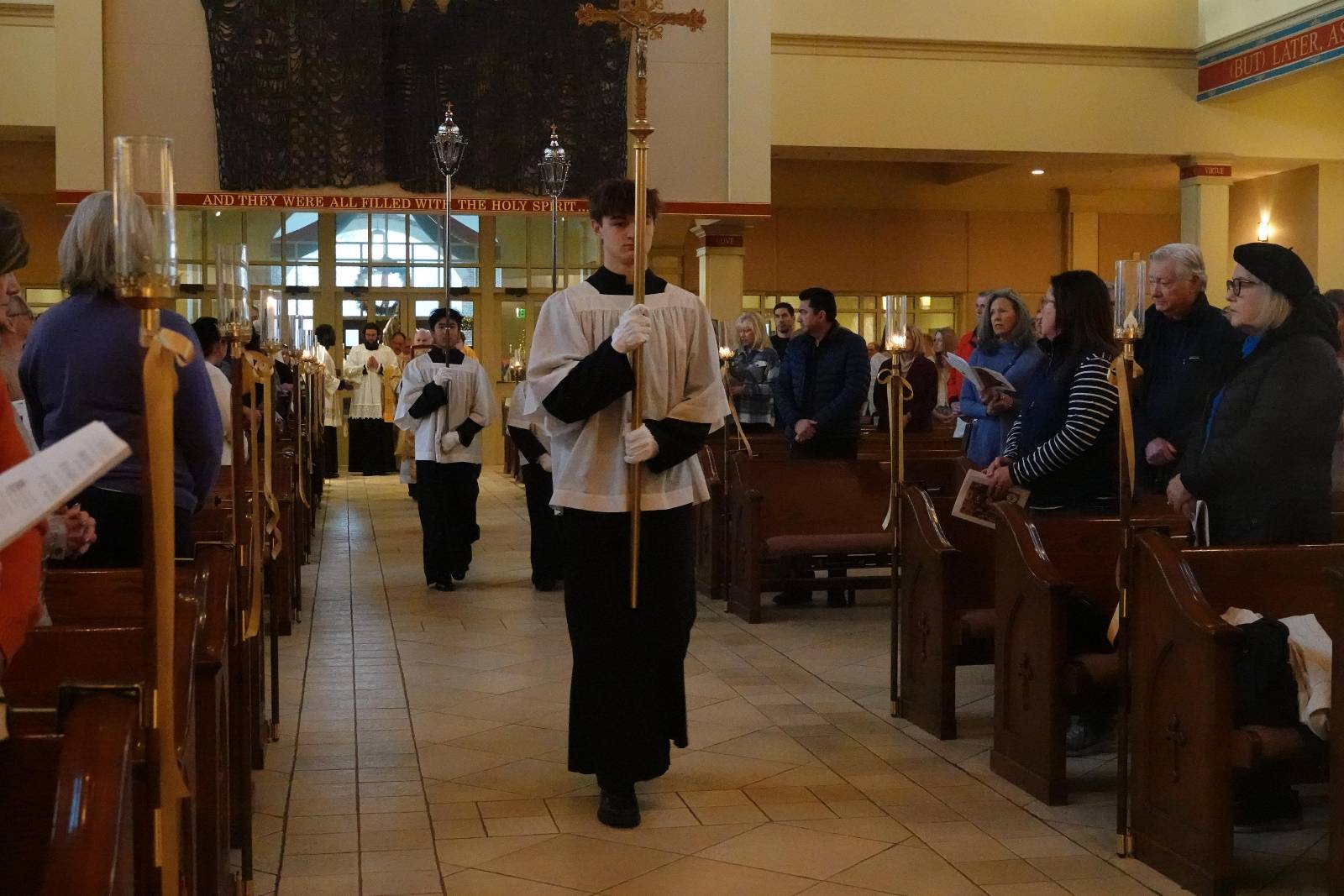
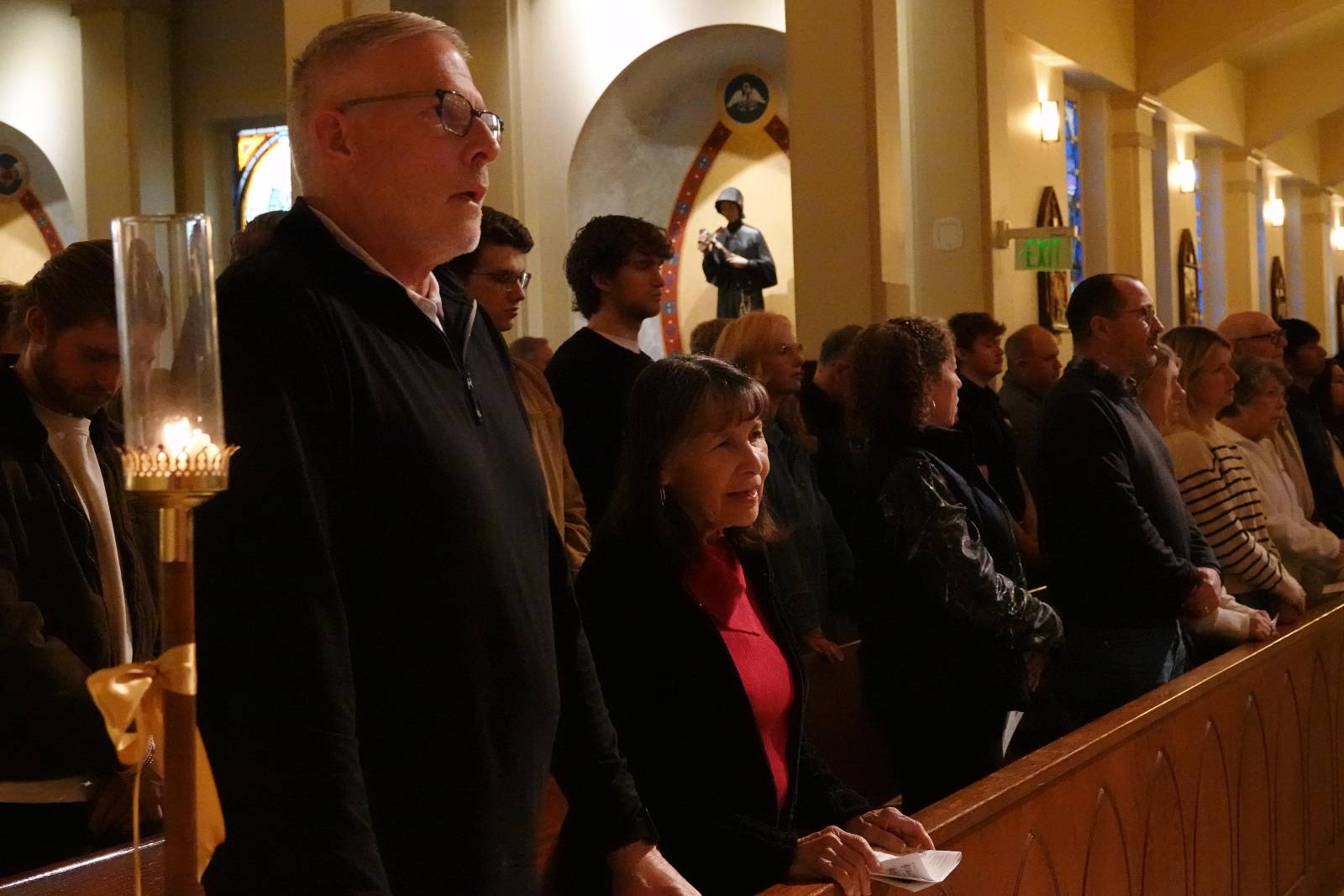
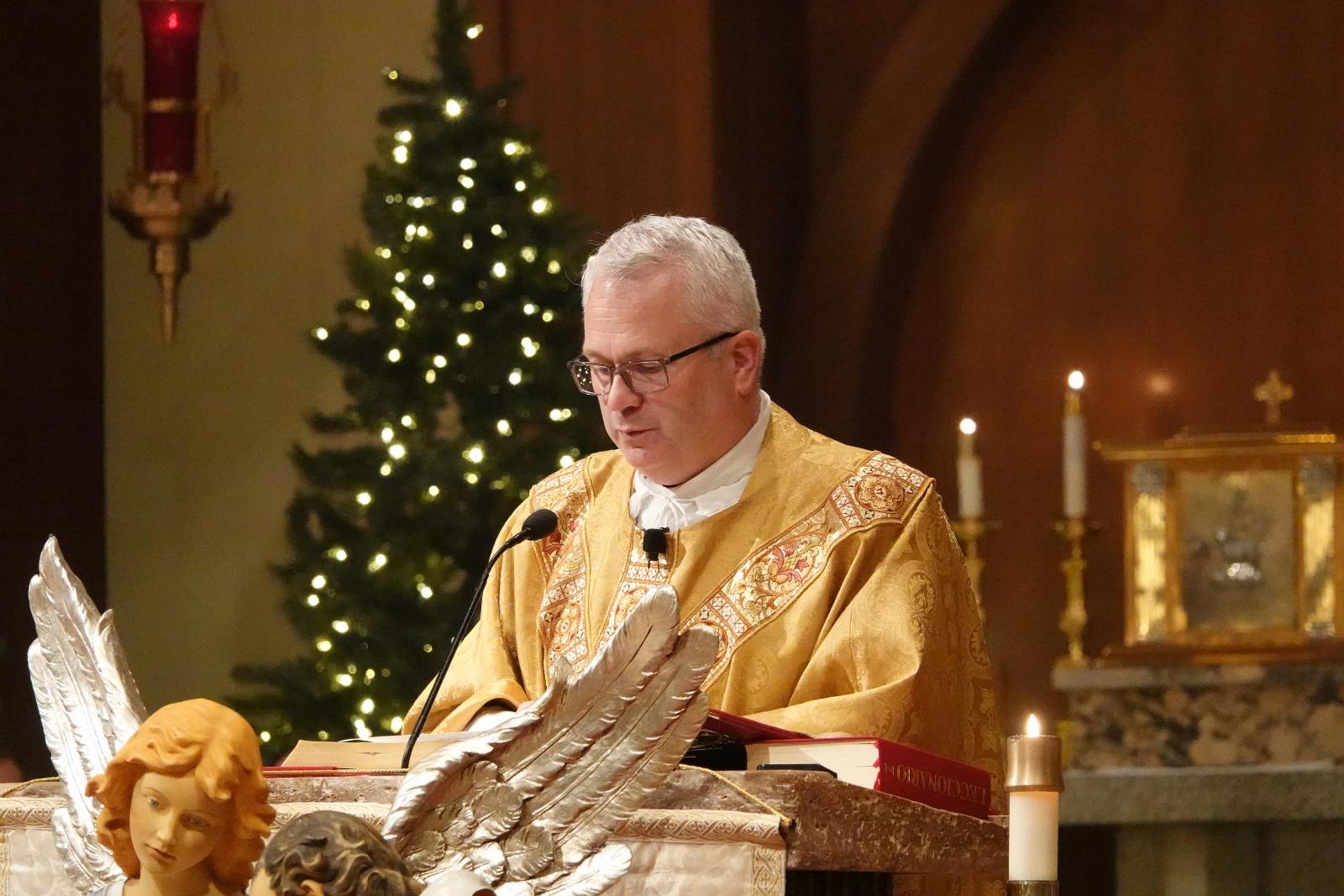
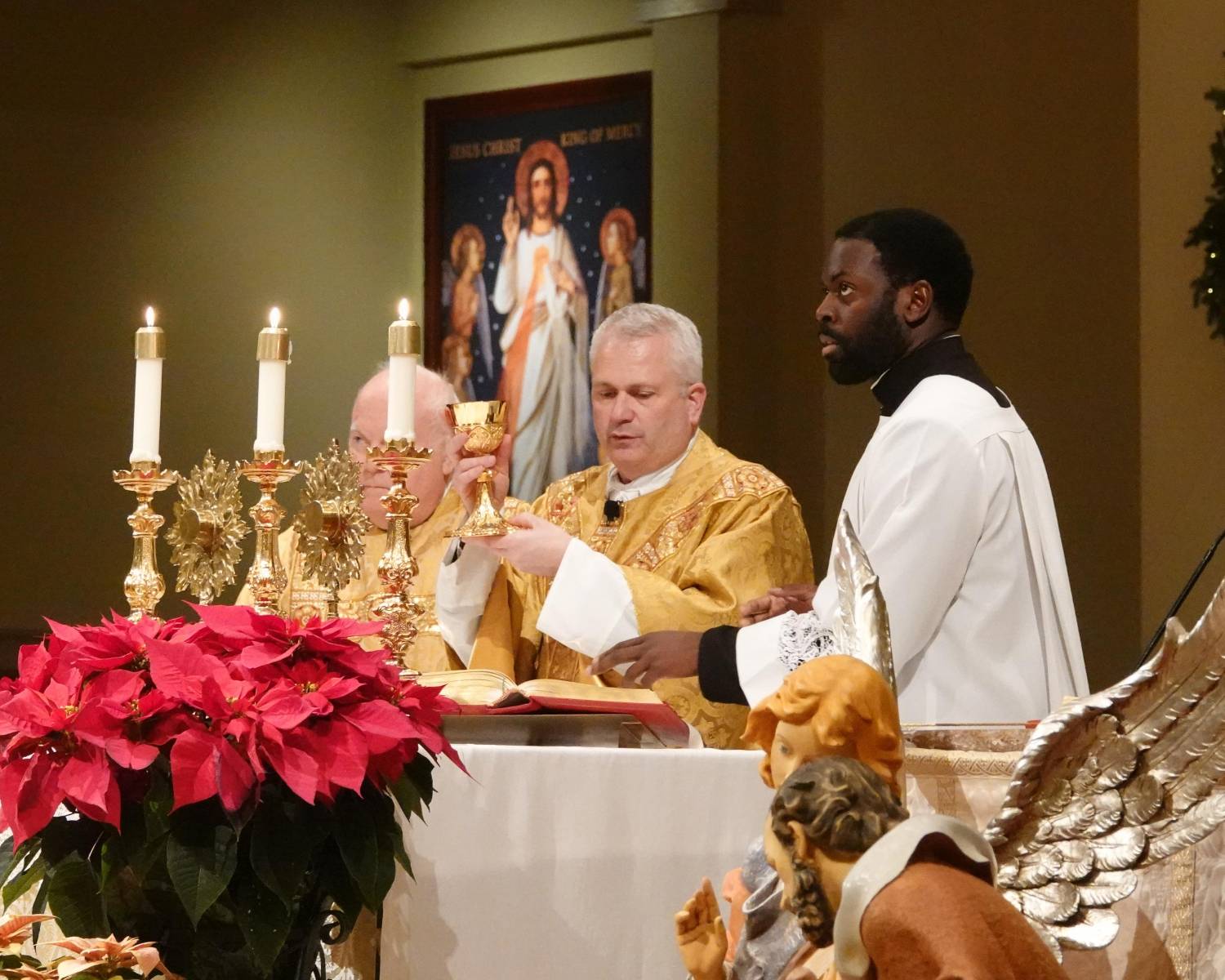
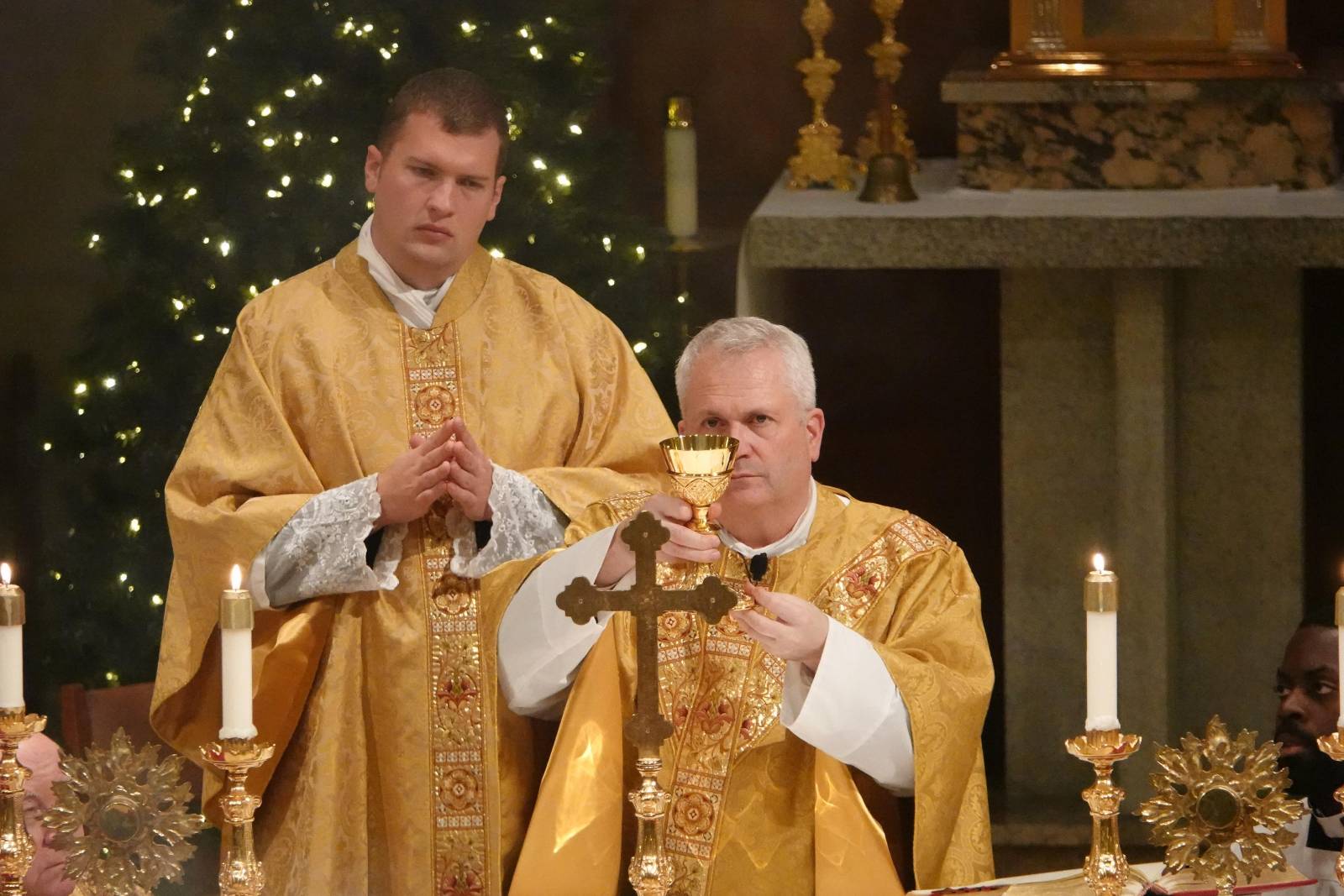
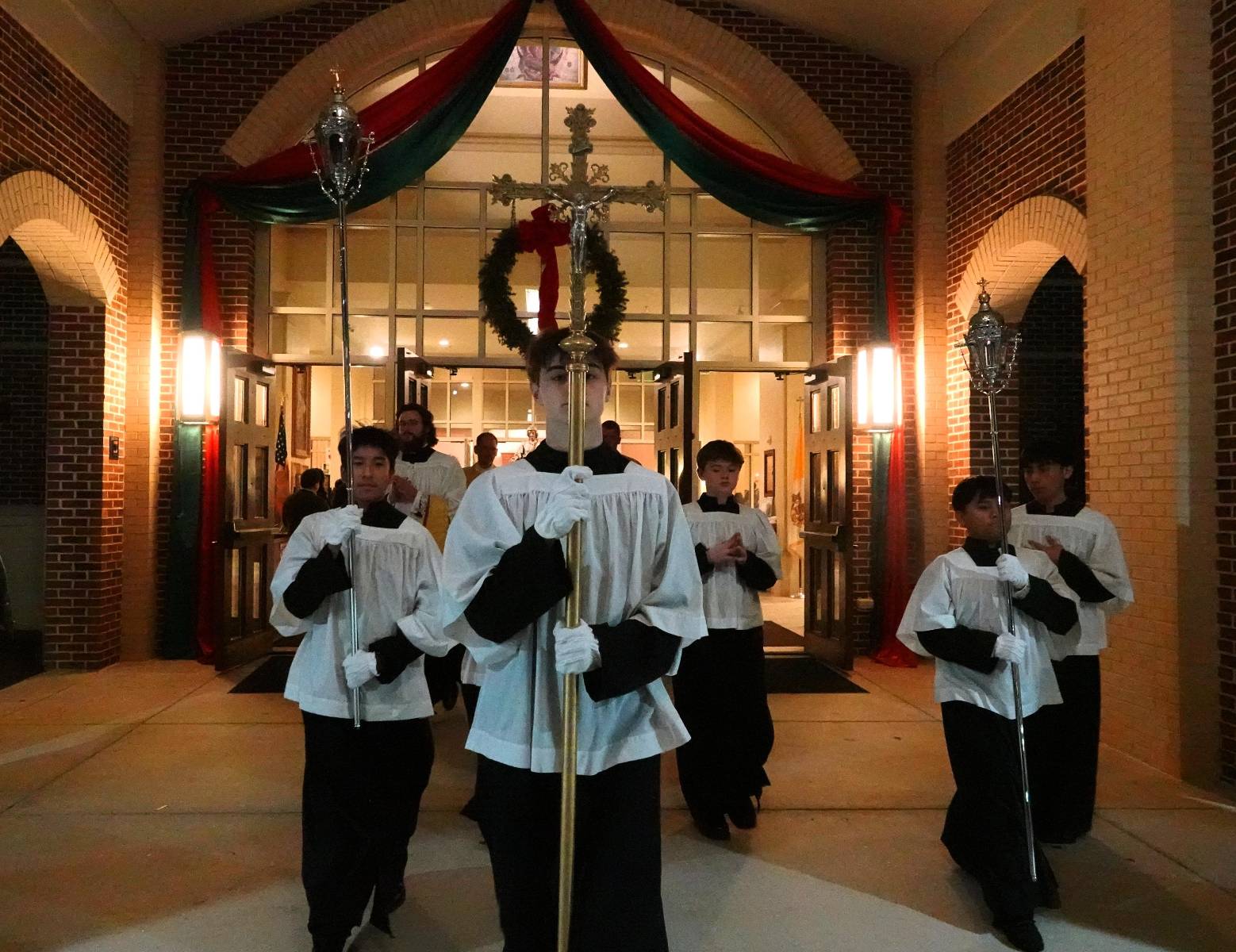


At St. Mark, Monsignor Winslow’s homily drew from the wisdom of a 1912 poem by Frenchman Charles Péguy, an atheist turned Catholic, called "The Portal of the Mystery of Hope.” Monsignor Winslow recounted a story from the poem of a father who toiled in the fields for his daughter at home, who was joyfully playing around the house.
“He poses the question,” Monsignor Winslow noted, of “who is doing more work – the little girl at home or her father in the field, and he says without any reservation the little girl, because the father in the field would have given up hours before if it weren't for her.”
“Hope is like a little child, often so underestimated but yet motivating us to aspire to do hard things that are good,” he said.
That is the essence of Christian hope, he noted, it gives us the ability to do difficult things because we know with certainty that our destination is eternal.
“The hope that this year has given us does not finish,” Monsignor Winslow said. “We will continue to be Pilgrims of Hope. Just like the Magi, we will continue the course of our lives as no doubt they did when they left Bethlehem following the light that brings us hope even in the midst of darkness, a light that is a guarantee of eternal happiness.”
— Christina Lee Knauss, Georgianna Penn and Trish Stukbauer. Photos by Gabriel Swinney, MaryAnn Luedtke Photography and Amy Burger.
What’s next?
The Jubilee Year of Hope has come to an end, but you can keep the spirit of the year alive in 2026 and beyond.
- Seek a plenary indulgence. Special indulgences available during the Jubilee Year ended with its conclusion, but the faithful can still seek a plenary indulgence, which is a remission of the temporal punishment due for one’s sins. To receive one, perform a specific spiritual act such as prayer, pilgrimage to a holy site or other works, and fulfill four main conditions: completely detach from sin, go to confession, receive Holy Communion and pray for the pope’s intentions, often by saying an Our Father and Hail Mary
- Look forward to the next celebration. Pope Leo XIV has authorized an Extraordinary Jubilee Year of Redemption in 2033 to commemorate the 2,000th anniversary of Christ’s passion, death and resurrection. This extraordinary year means another Jubilee Year falls much earlier than normal, because the Church usually only celebrates Holy Years – or jubilees – every 25 years.