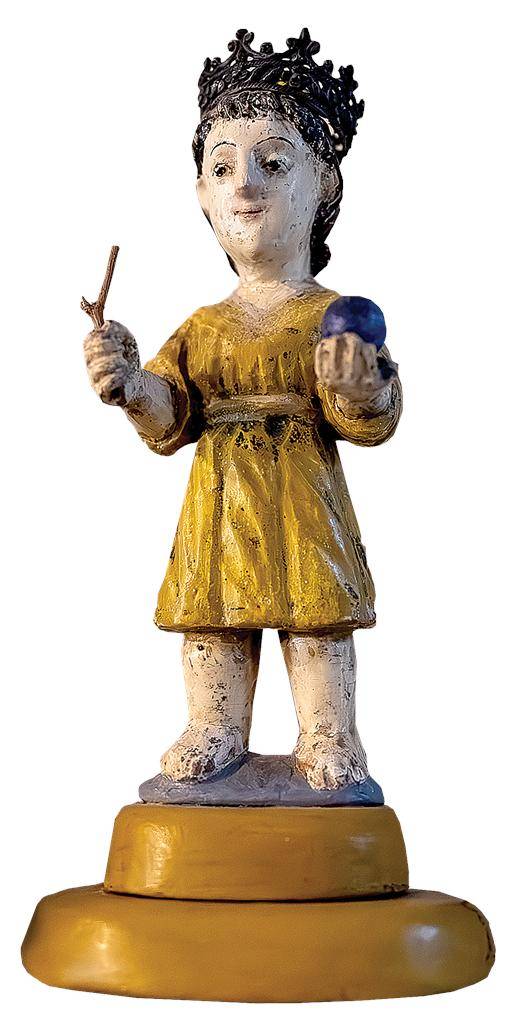
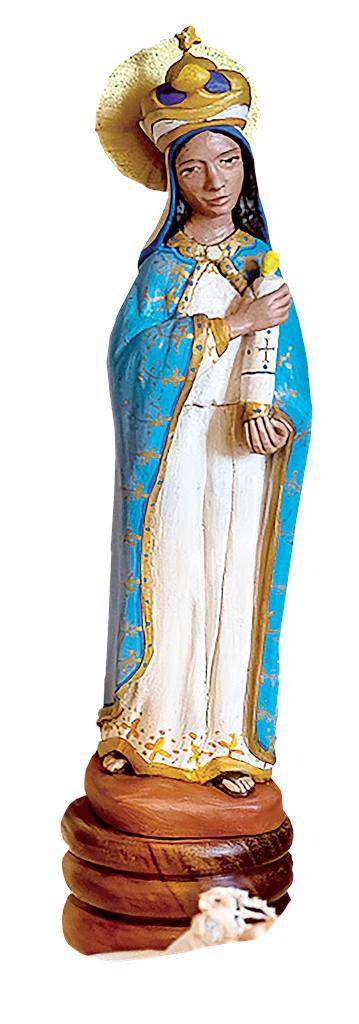
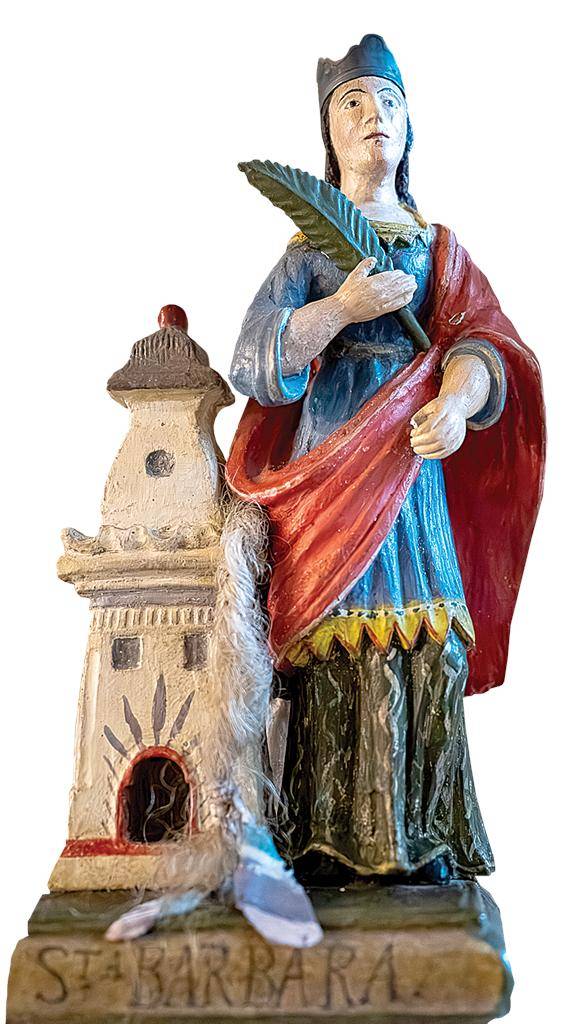
‘Art of Devotion’
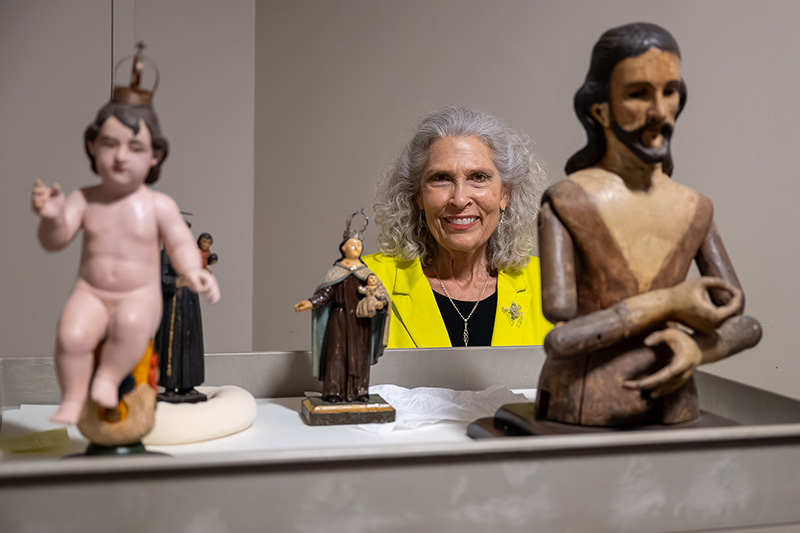
Art of Devotion: The Santos de Palo Tradition of Puerto Rico
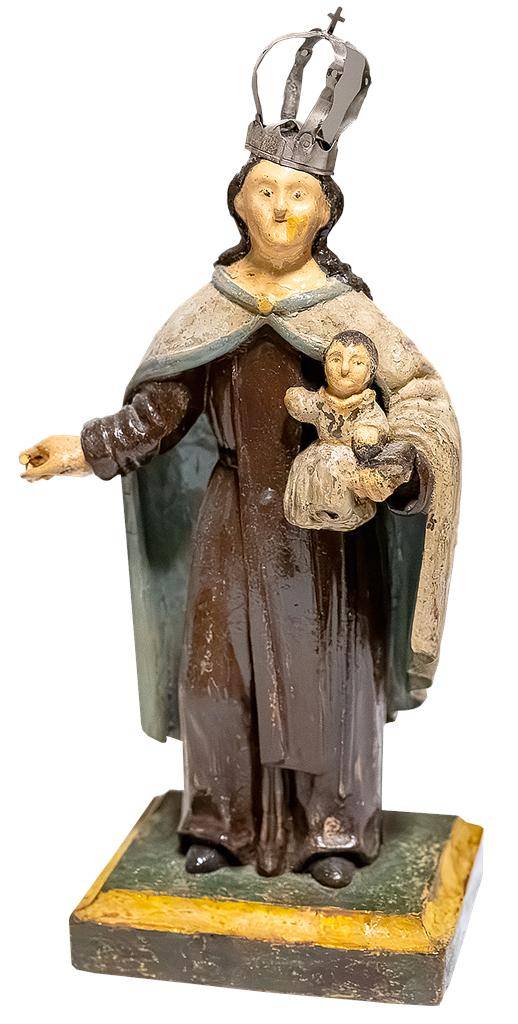
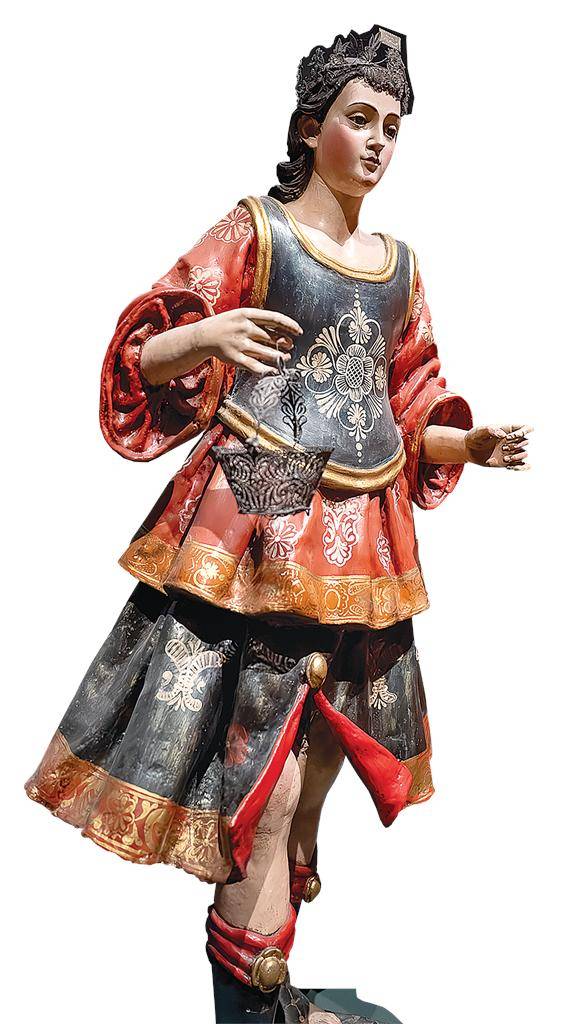
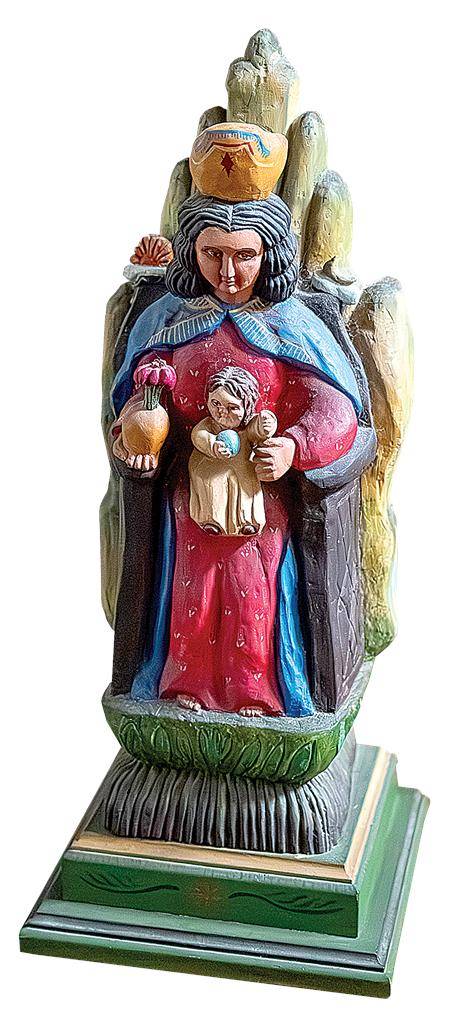
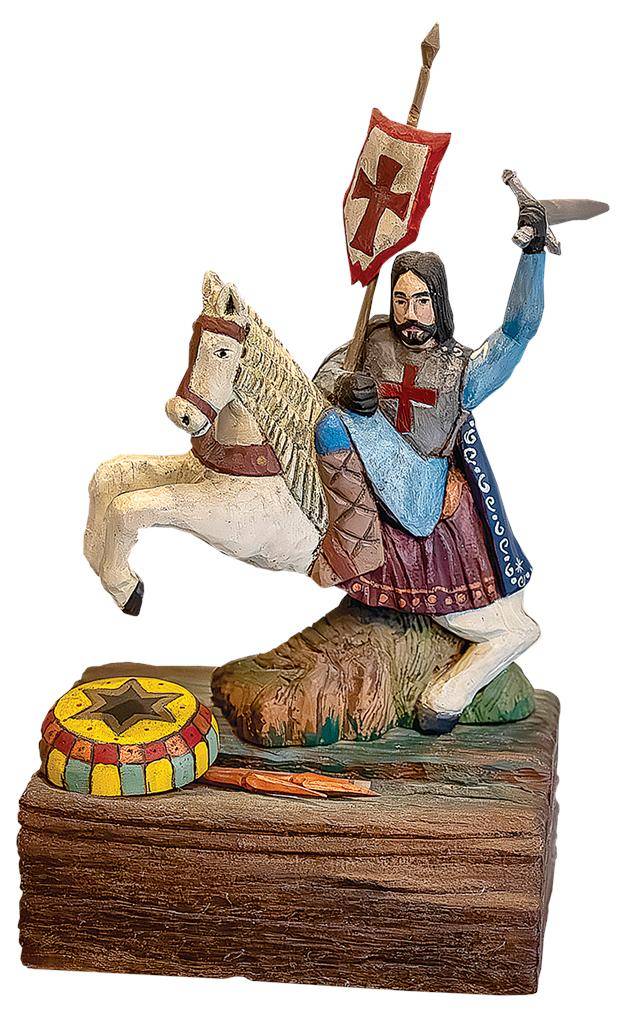
WHAT: Exhibit of more than 150 carved wooden sculptures of saints, holy figures and sacred scenes produced by artists in Puerto Rico.
WHEN: Opens Aug. 2 and runs through July 5, 2026
WHERE: Mint Museum Randolph, 2730 Randolph Road, Charlotte
HOURS: 11 a.m.- 6 p.m. Tuesday, Thursday Friday, Saturday; 1 to 5 p.m. Sunday; 11 a.m. to 9 p.m. Wednesday. Closed Monday.
HOW MUCH: Free for members, children 4 and younger, students in grades K-12 and college art students. $15 for adults, $10 for seniors ages 65 and older, $10 for college students with ID. Free 5-9 p.m. Wednesdays.
CONTACT: (704) 337-2037 www.mintmuseum.org
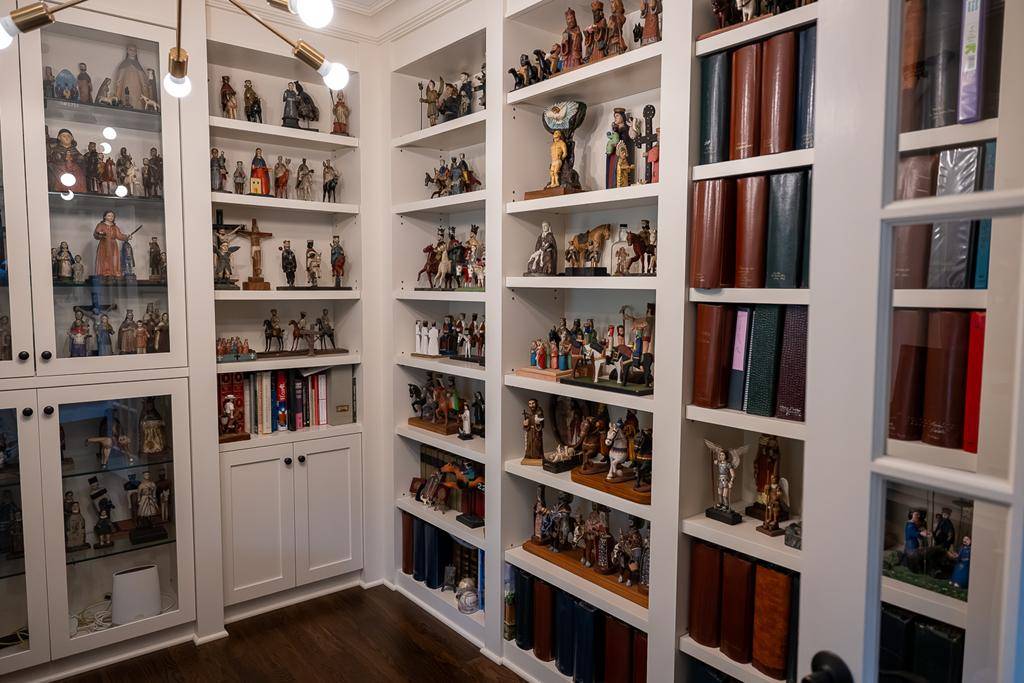
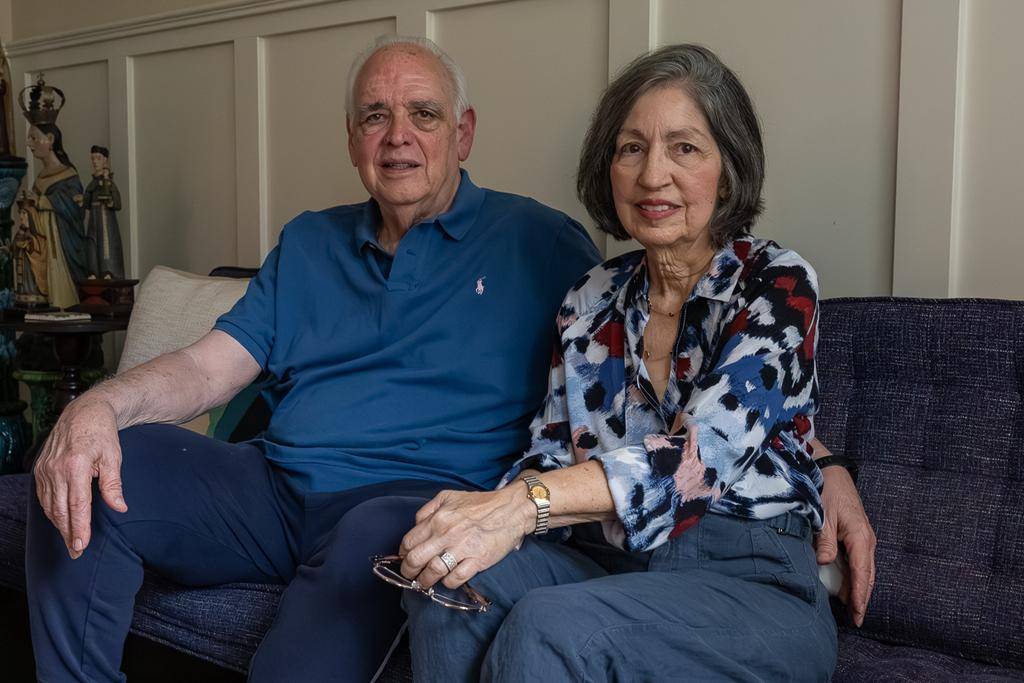
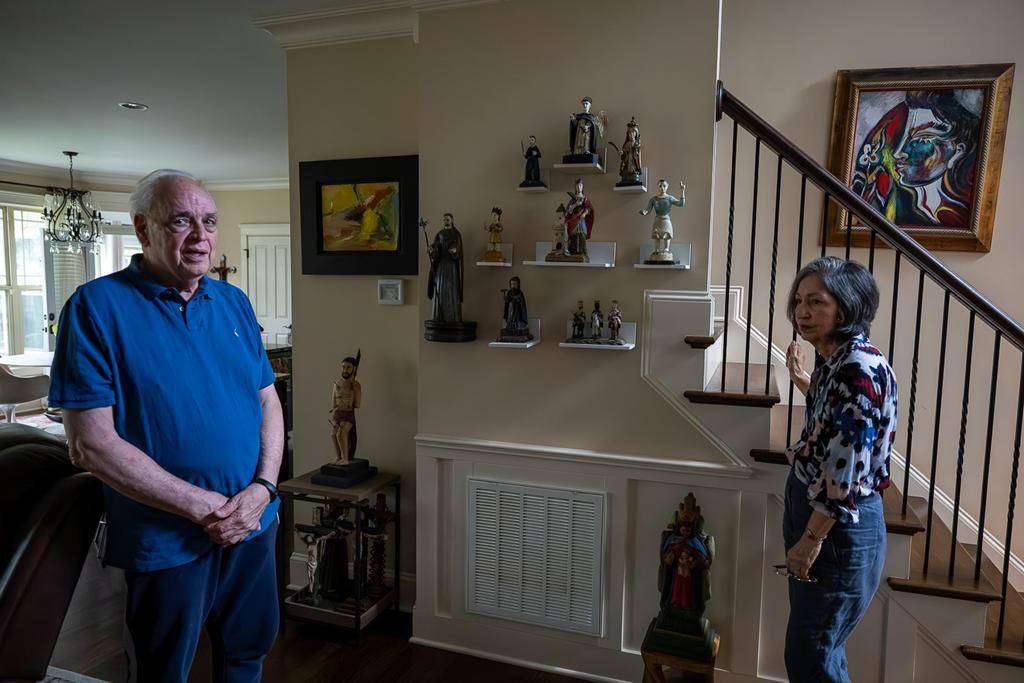
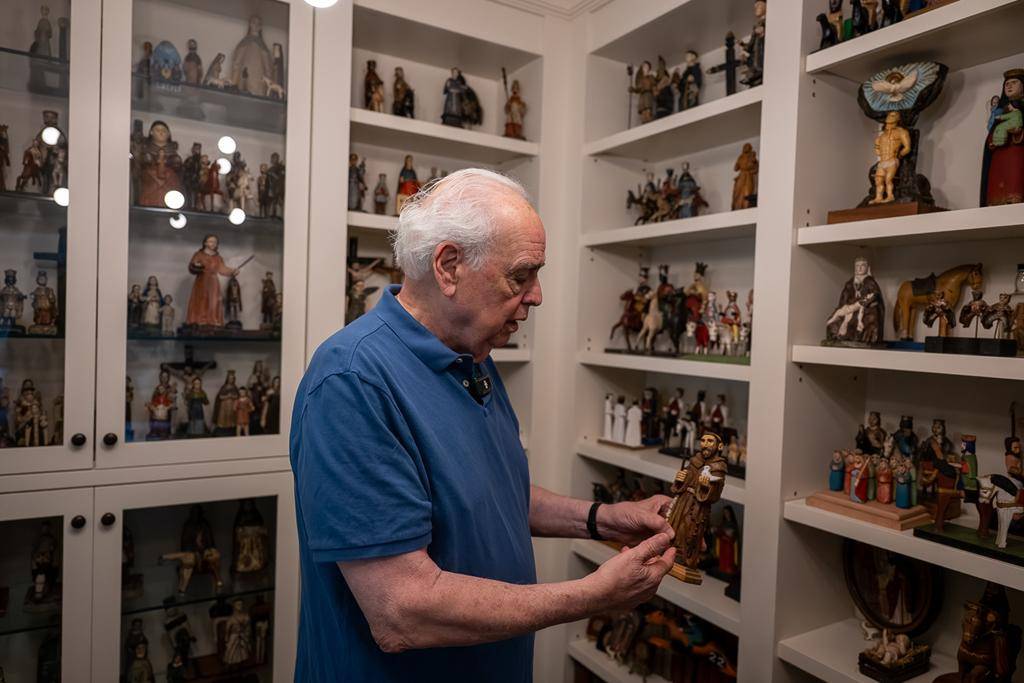
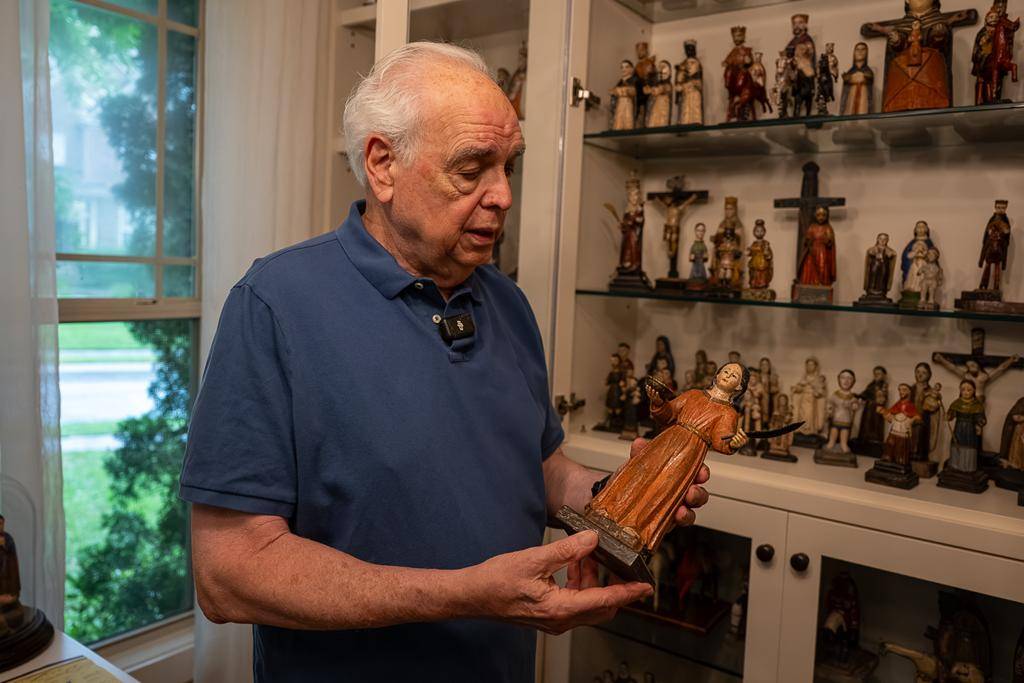
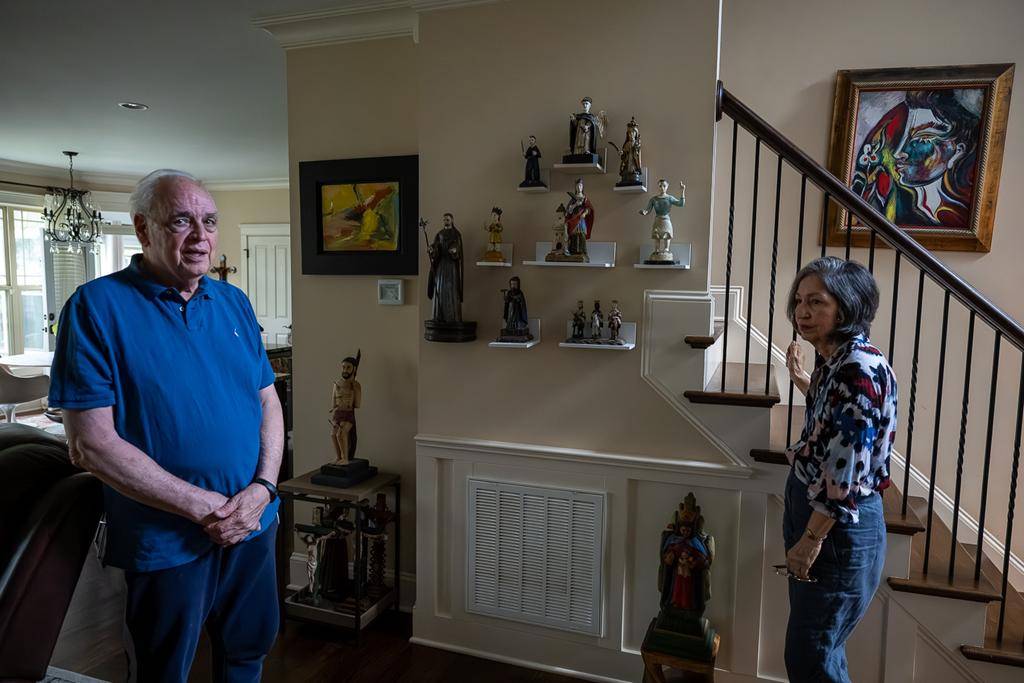
CHARLOTTE — To walk into the Charlotte home of Francisco Toste Santana and wife Nitza Mediavilla Piñero is to enter a living space infused with sacred beauty.
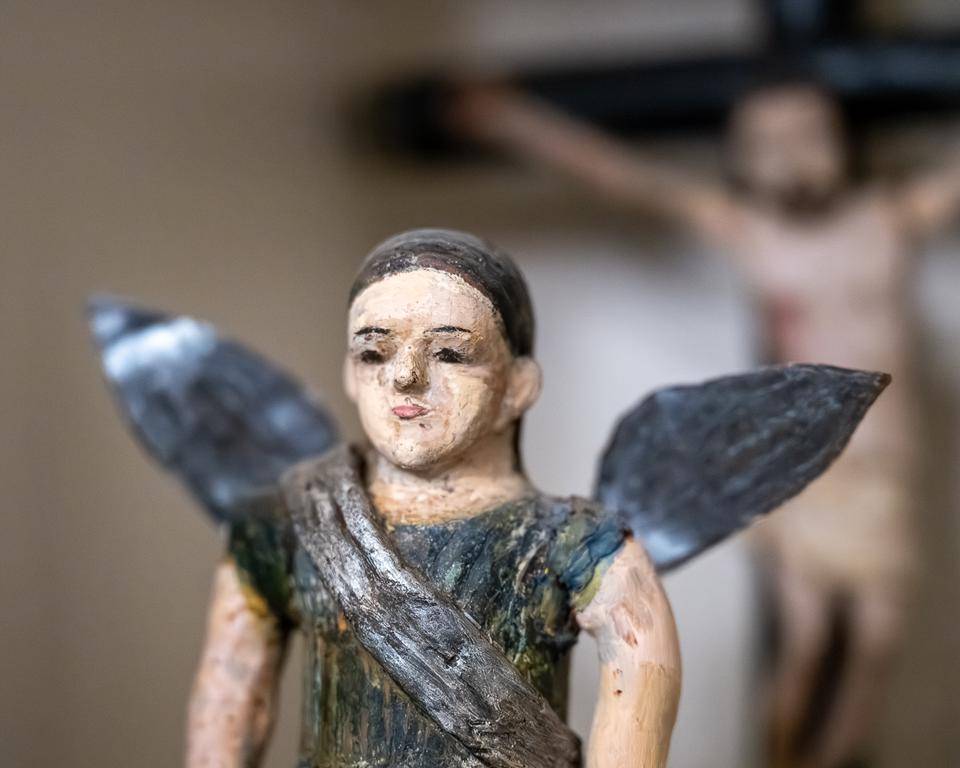
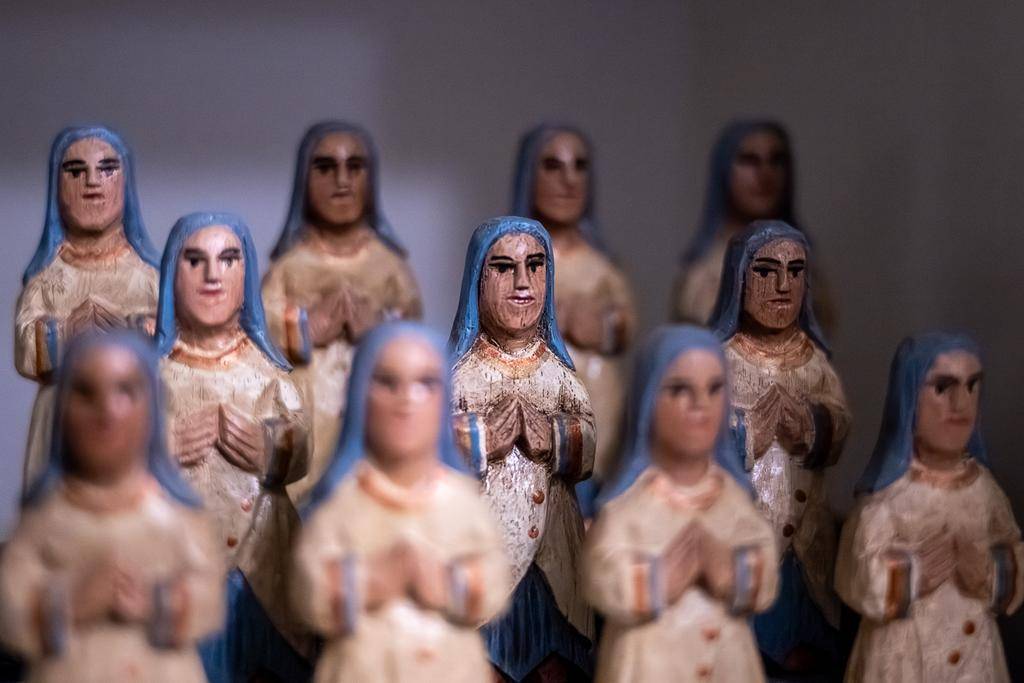
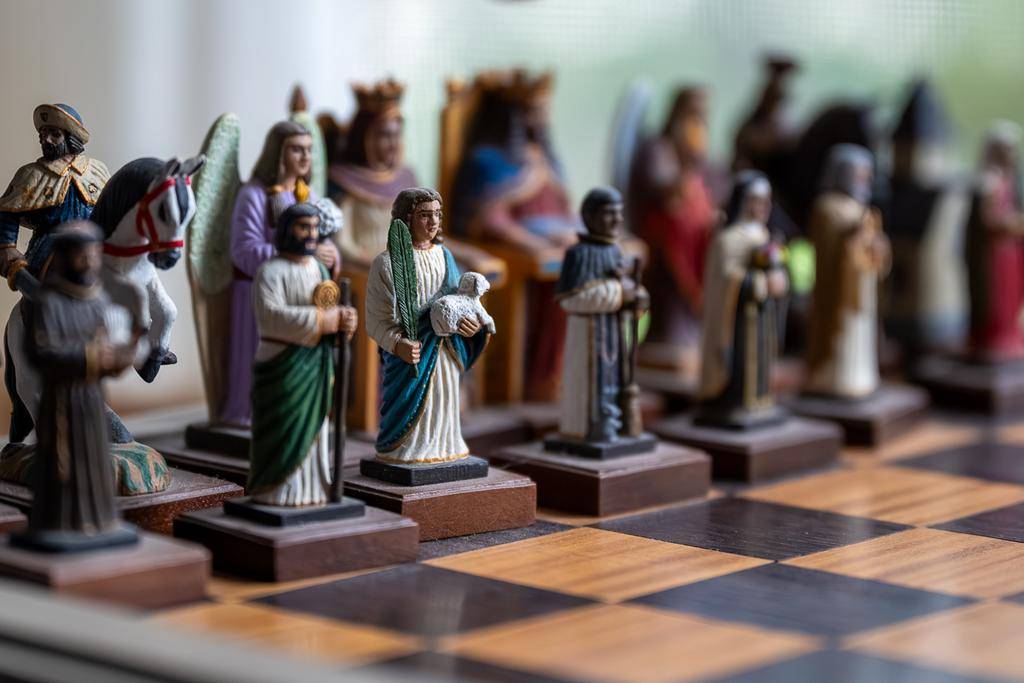
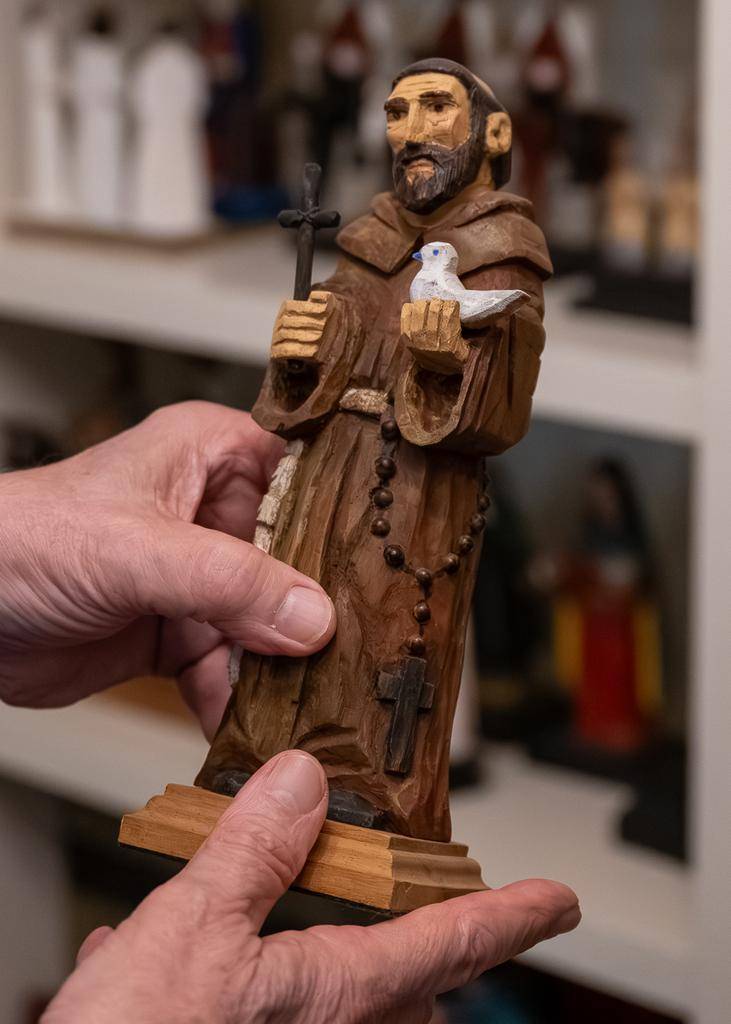
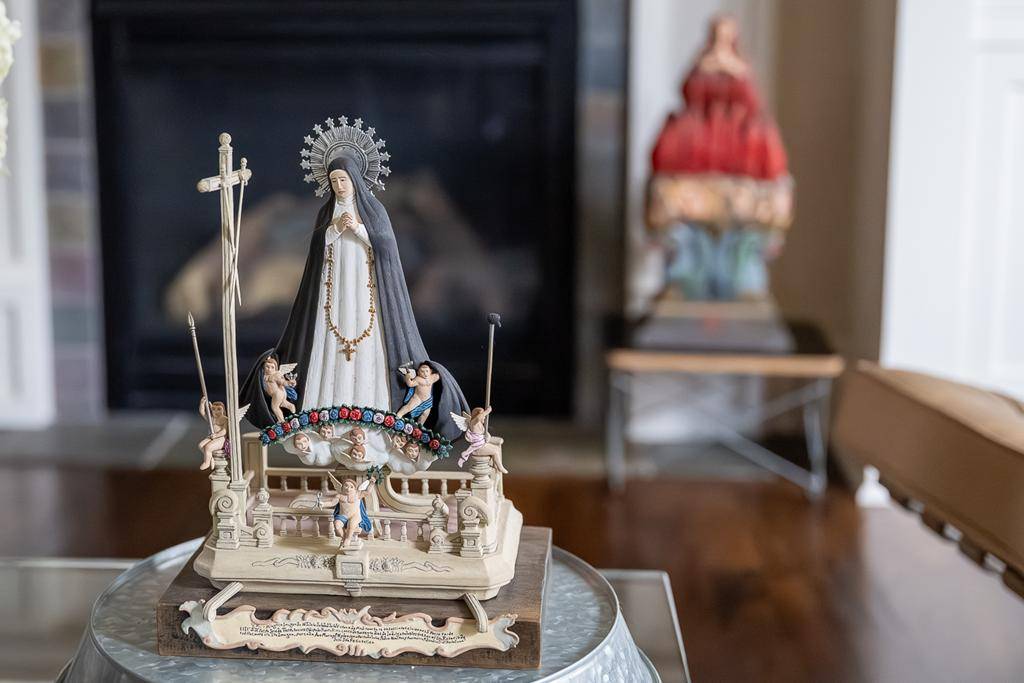
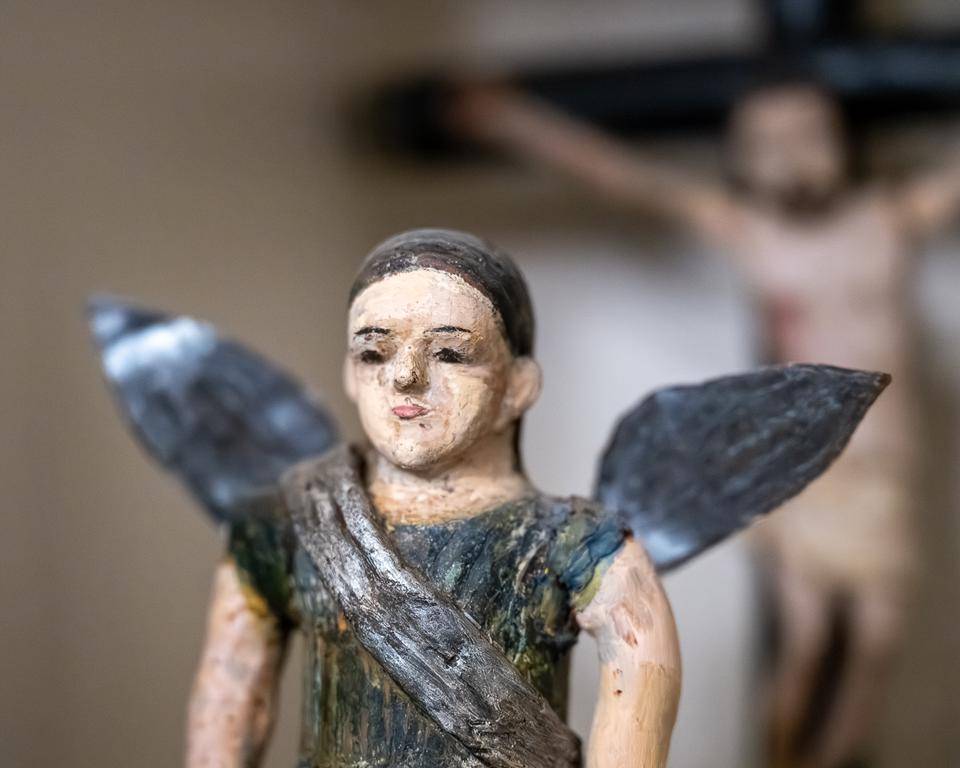
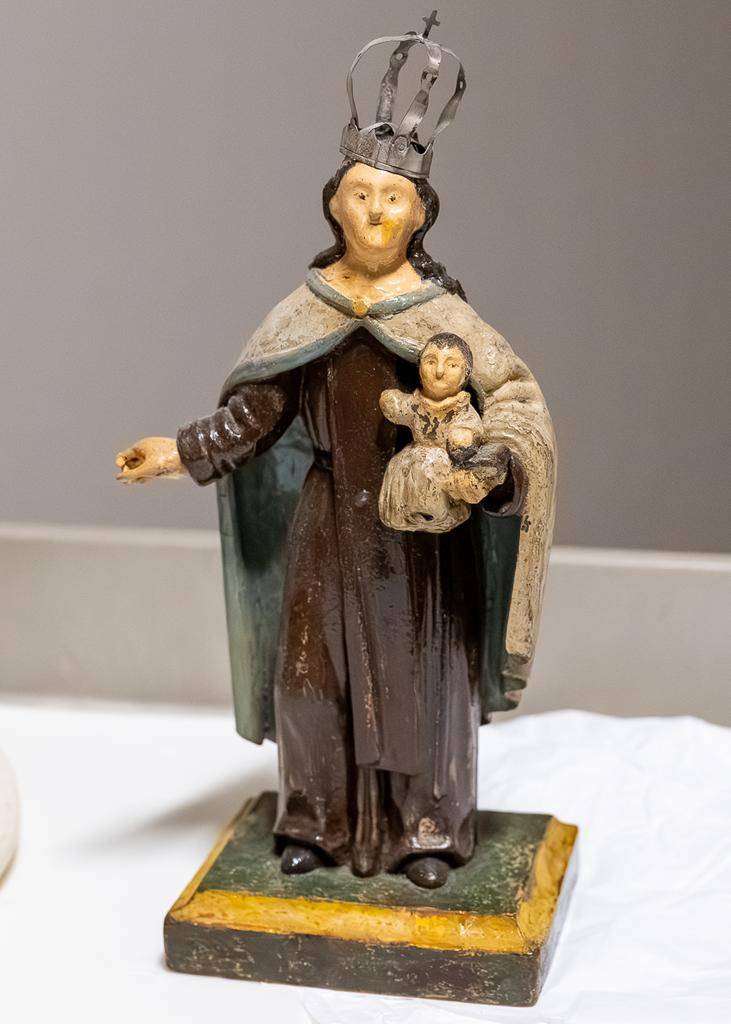
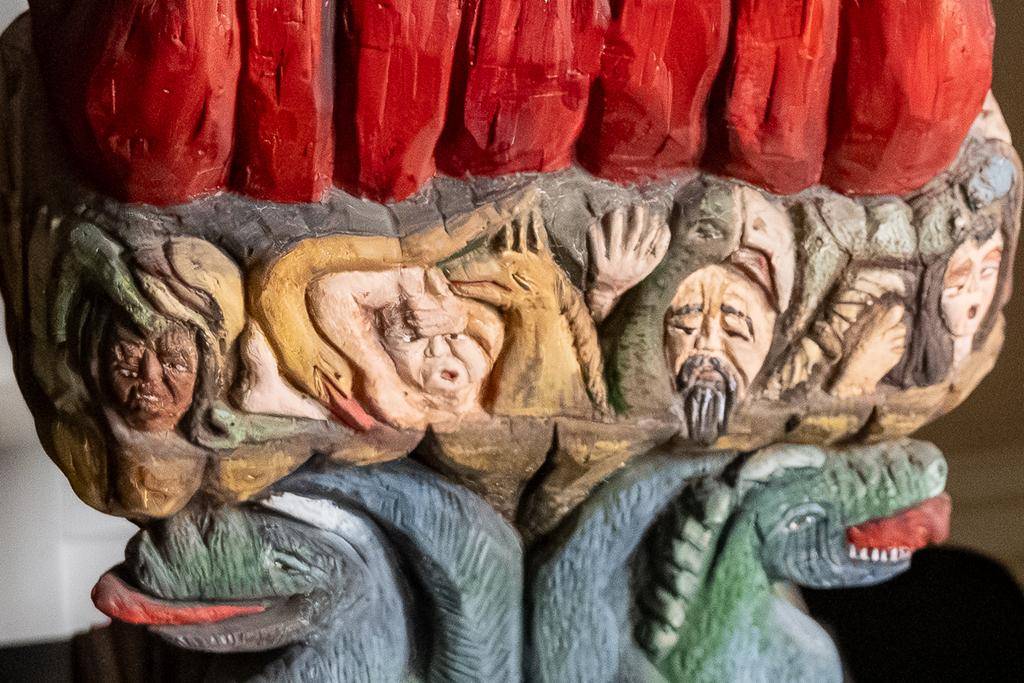
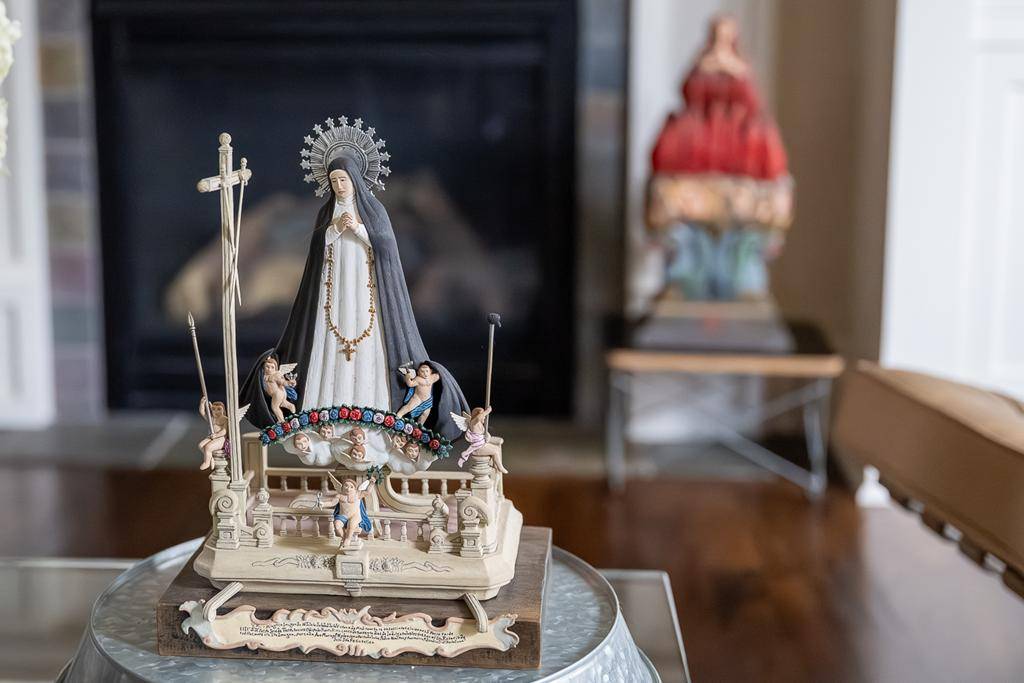
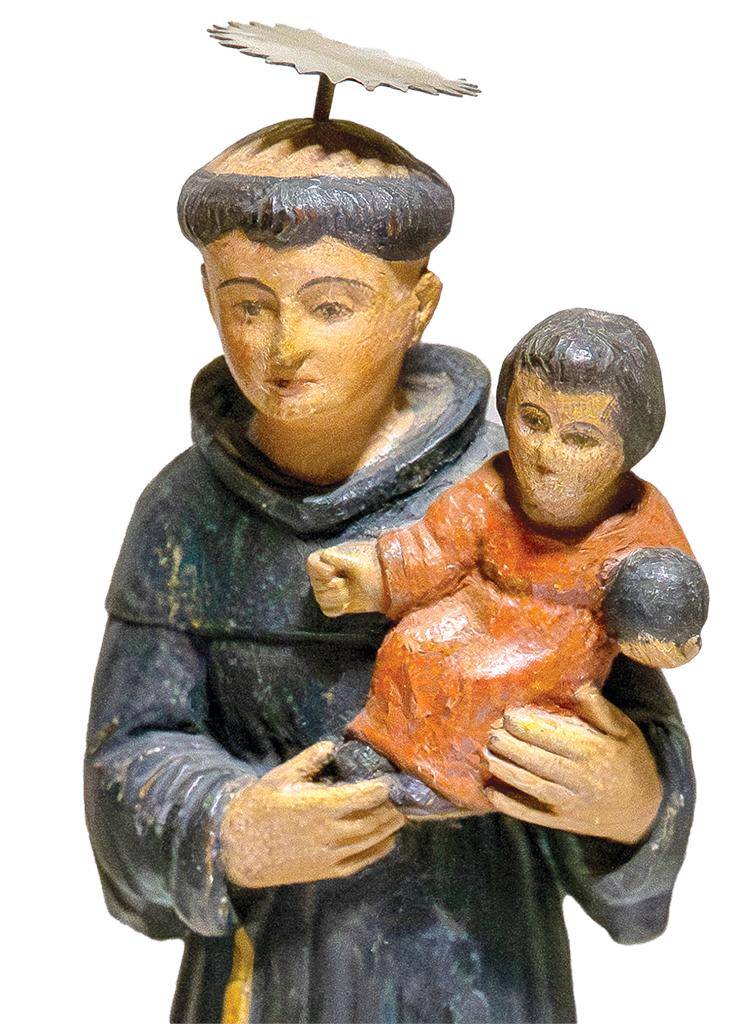
Rooms throughout the house are filled with hundreds of expertly carved wooden figures representing Jesus, the Blessed Mother, the Three Kings and many beloved saints.
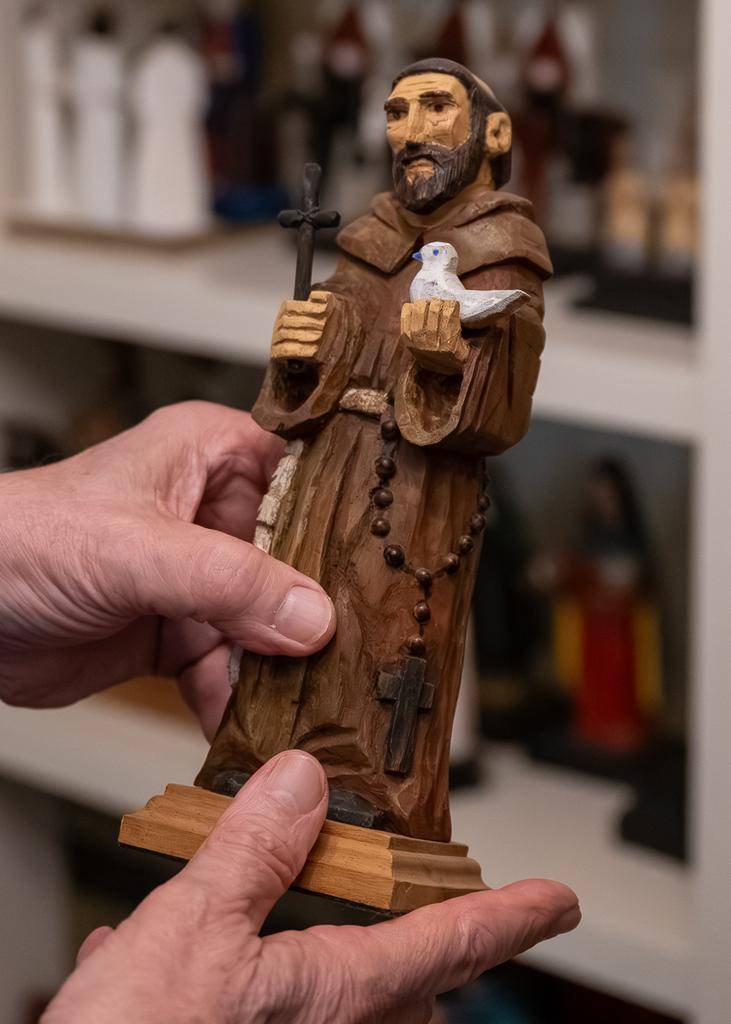
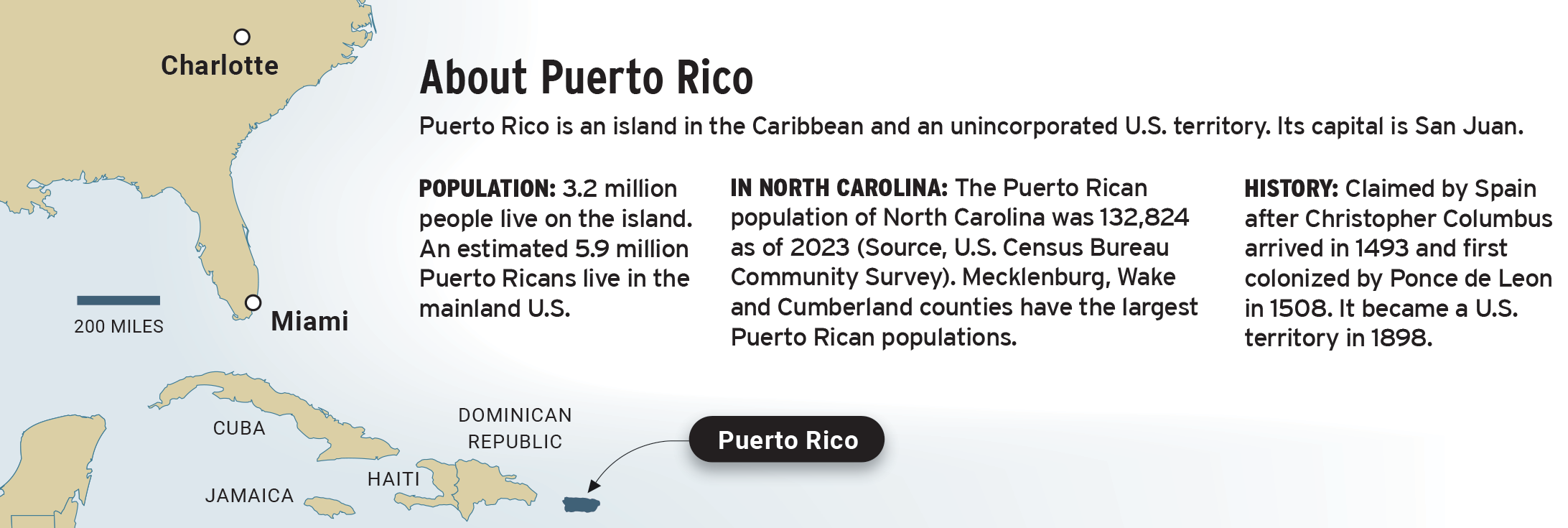
These are small traditional wooden sculptures called “santos de palo” (“wooden saints”) that the couple lovingly collected and brought with them when they moved to Charlotte from their native Puerto Rico five years ago.
They embrace the figures as representations of their Catholic faith and cultural heritage and decided to share them with the public through a special exhibition opening Aug. 2 at Mint Museum Randolph.
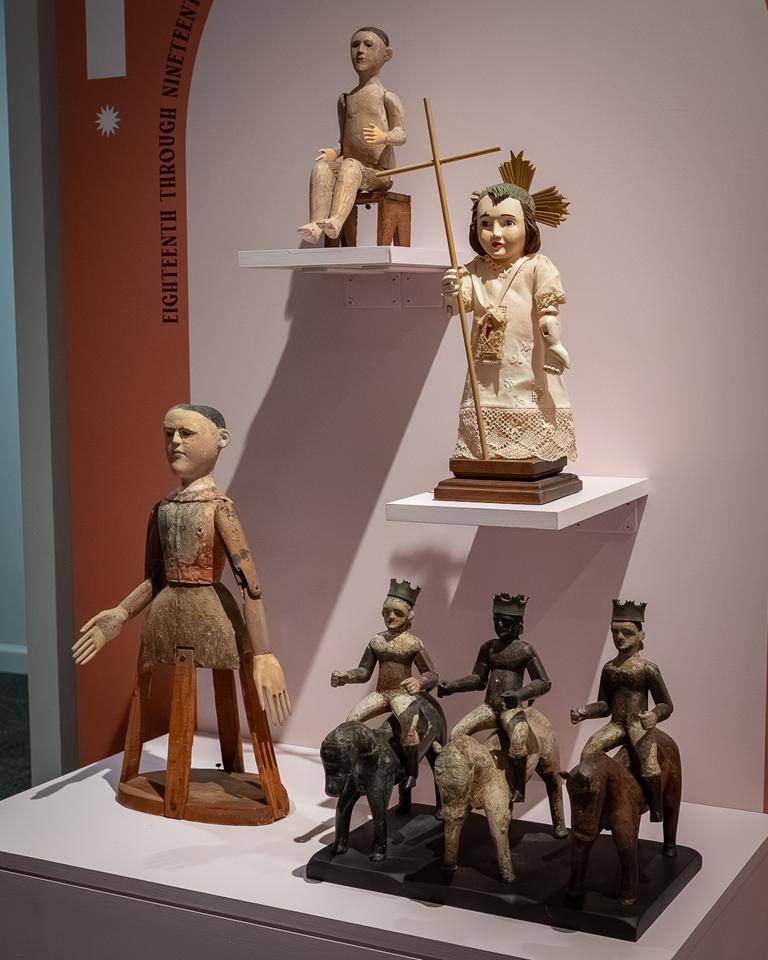
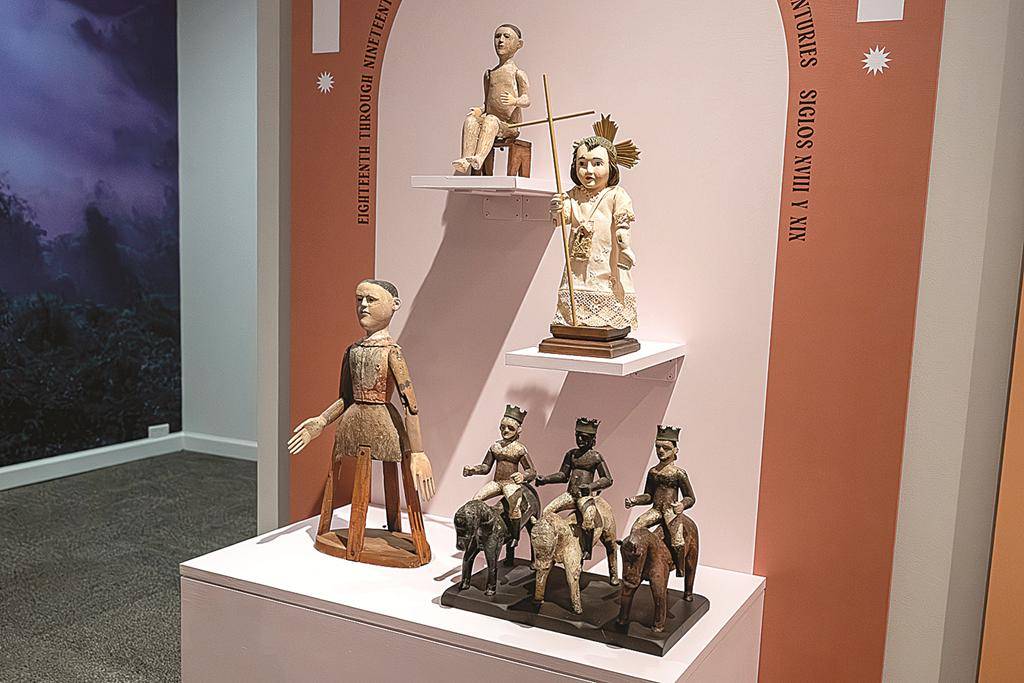
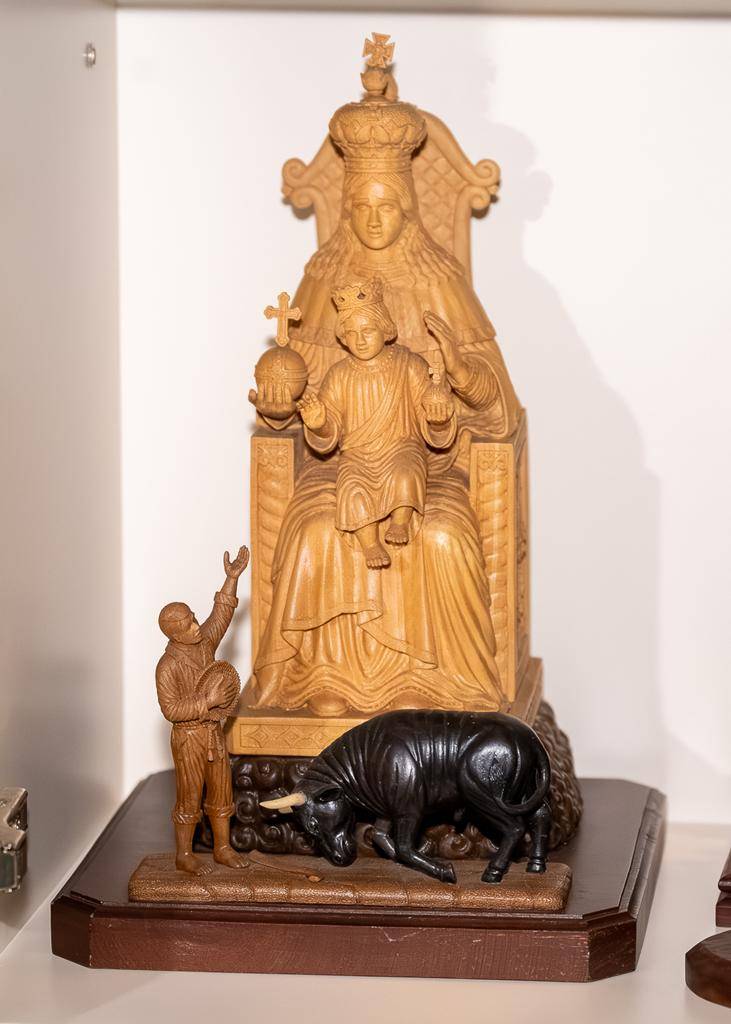
“Art of Devotion: The Santos de Palo Tradition of Puerto Rico” will run through July 5, 2026, and feature more than 150 examples of this artistic tradition that started with grassroots artists in the 1750s and endures as an important expression of Puerto Rican art and faith today.
“We never intended to start a collection – we just gathered these over the years because we loved them,” says Francisco Toste, a retired businessman who goes by “Paco.”
“They are an expression of our Puerto Rican heritage and faith, and we decided we wanted to share the tradition with others.”
Art began at home
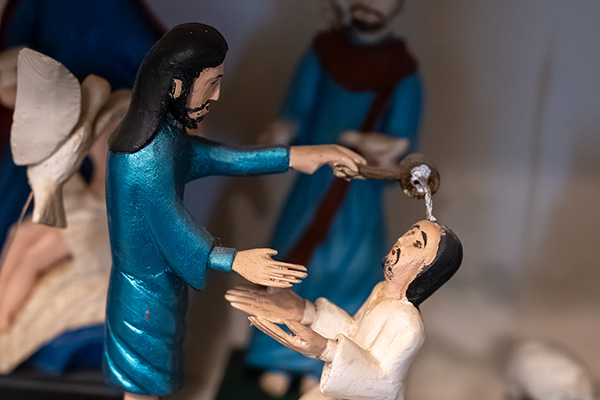 The Mint Museum jumped at the chance to showcase the religious and cultural tradition of carving santos figures, which began in the generations after Puerto Rico was first settled by the Spanish in the 16th century.
“As the Mint deepens its commitment to celebrating the art, traditions, and voices of our growing Latin community, the Tostes' collection presented an extraordinary storytelling opportunity,” says Chief Curator Jen Sudul Edwards, “not only for Latin and Catholic audiences, but for our entire region. We felt that the Santos de Palo tradition spoke to the spiritual power held in art, and to the profound meaning a single object can carry for both an artist and a community.”
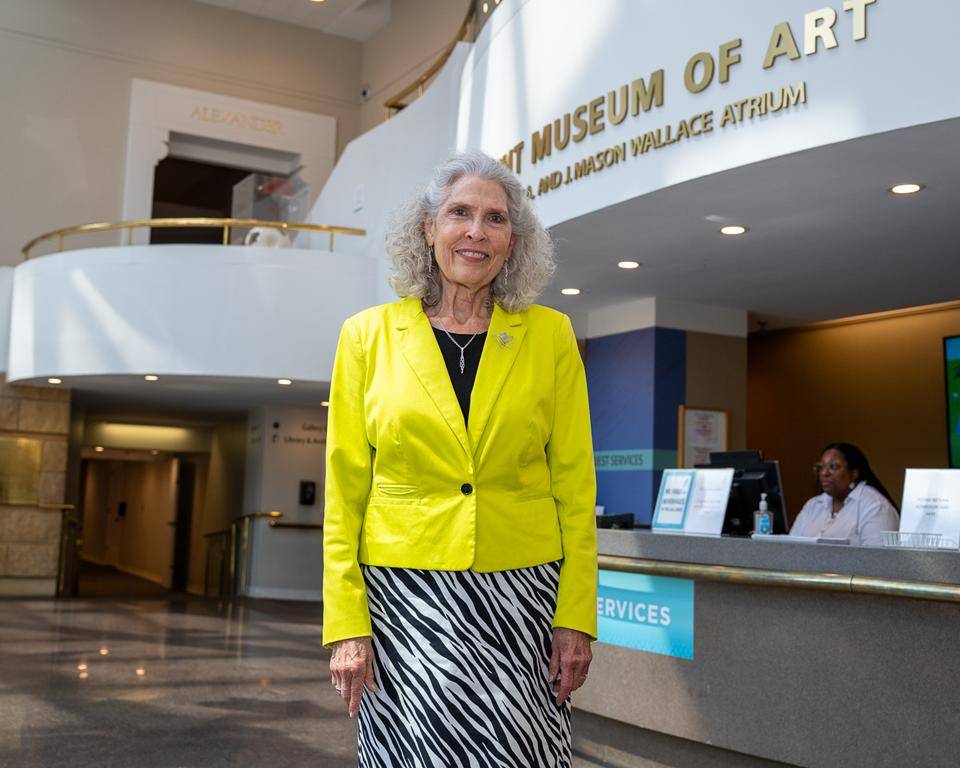
The museum turned to Durham-based Dorie Reents-Budet to curate the santos exhibition because of her background in the history of the ancient Americas. She has a doctorate in art history and is familiar with the santos tradition in part because her husband is of Puerto Rican descent.
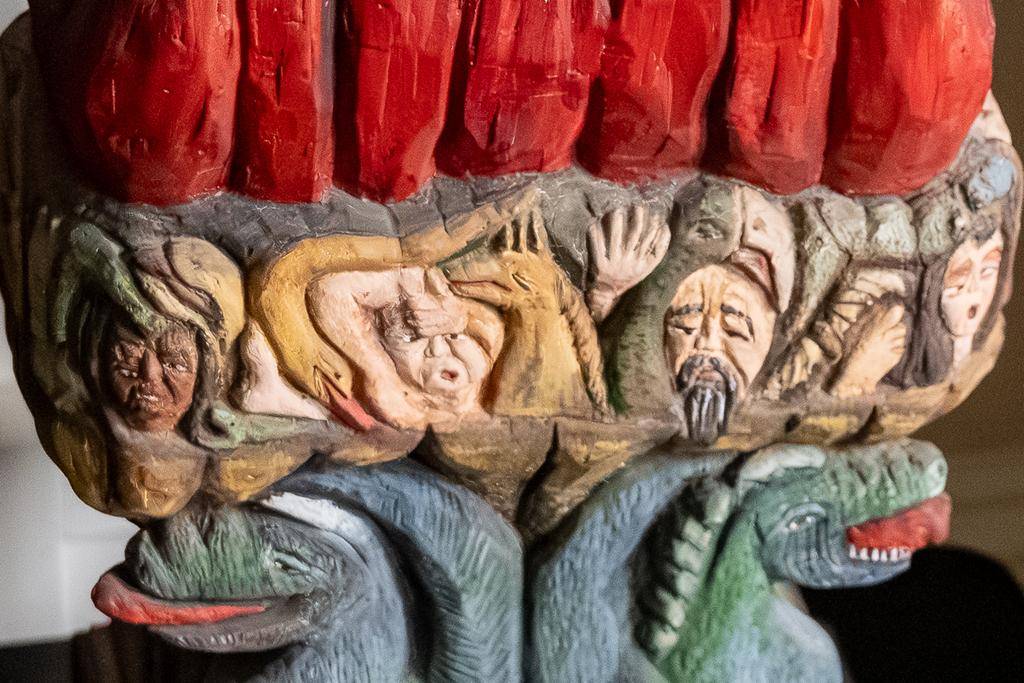
“The santos de palo tradition embodies not only spiritual faith but also the cultural pride of contemporary Puerto Rico,” she says, “intermingling its Catholic heritage with contemporary topics while reflecting its Hispanic, indigenous Taino and Carib and African legacy.”
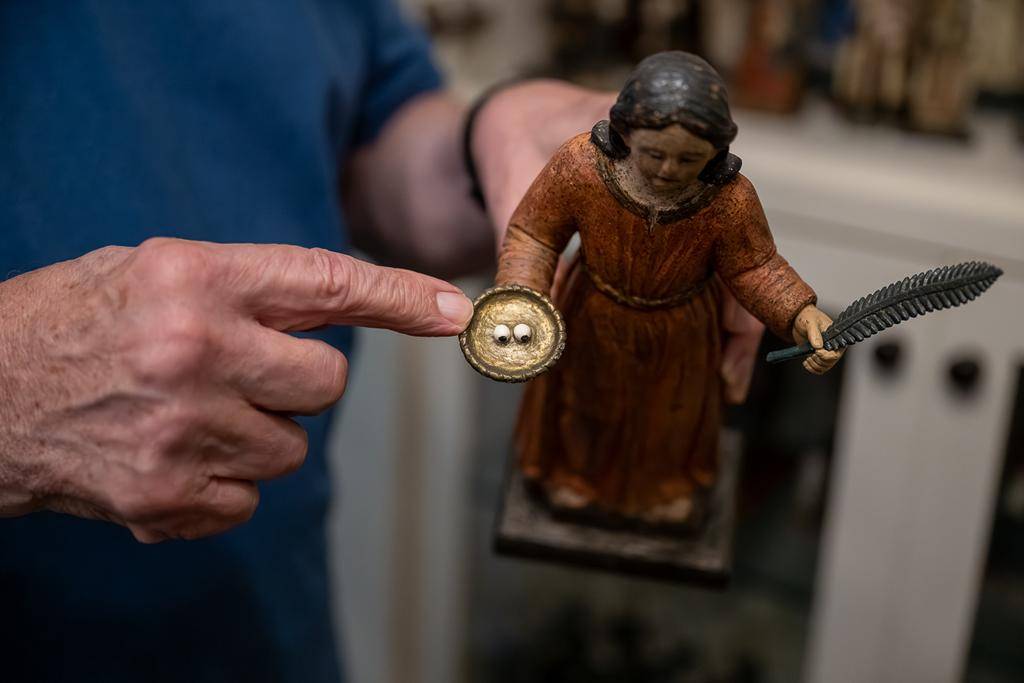
Until the 20th century, she says, many people in Puerto Rico lived in rural areas often surrounded by dense forests, without regular access to priests and churches. To preserve their faith, people created home altars featuring carved figures representing Christ, Mary and saints to focus their devotions. These early figures were carved from native woods, most often cedar, with tree branches and roots also used to form the sculptures.
Early santos were done in a Spanish baroque style because many of the carvers, called “santeros” (“saint makers”) copied images from prayer cards distributed by traveling priests who crisscrossed the island from the 16th through the 18th centuries. Beginning in the late 18th century, santeros introduced their own styles and interpretations. The tradition lives on with modern artists incorporating Puerto Rican symbols and other elements.
Francisco and Nitza’s collection includes santos dating from the 18th century up to contemporary times. While the exhibition features just a fraction of their collection, a full range is on display.
Collection born of love
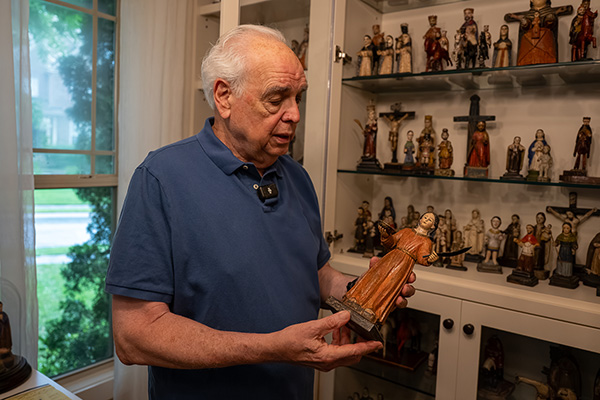 The couple started collecting 51 years ago in 1974, all because Francisco went in search of a perfect anniversary gift for his wife.
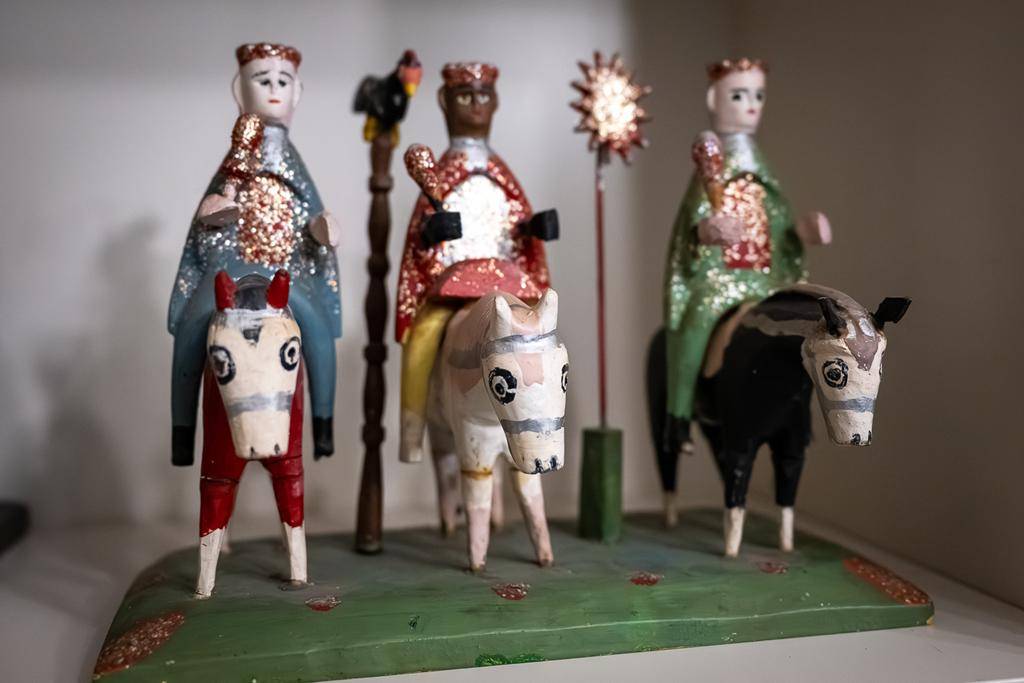
“We were celebrating our fifth anniversary, and the traditional gift for that year is wood,” he says.” I decided to go to Old San Juan and visit art galleries to see what was available. In one, I saw a display of 20 old santos and decided on the Three Kings.”
The artwork cost $125 – a lot for the couple’s monthly income at the time – and Nitza fell in love with the figure’s bright colors and detail. So, for their next anniversary, Francisco purchased another santo depicting the Holy Trinity.
Over the ensuing years, they visited town art fairs around Puerto Rico and bought santos by contemporary artists.
In 1993, an exhibition of a collection of early santos owned by New York-based collector Alan Moss came to an art museum in Ponce, Puerto Rico, and the couple became fascinated by the older style. They wanted to purchase some but couldn’t find any available because most were already in private collections, Francisco says. Instead, they started visiting contemporary santeros at their home studios to purchase newer works. They acquired more and more.
Eventually they visited Alan Moss in New York and bought some of his older pieces. Moss decided he wanted to sell most of his santos because he believed the works should return to Puerto Rico, so Francisco agreed to represent him there.
“Over 25 years, we sold hundreds of his santos to old and new collectors in Puerto Rico and at the same time acquired ours,” Francisco says.
Keepers of the custom
 The wooden figures that fill their home especially appealed to Nitza, who has a background in art and architecture, and she has lovingly arranged the santos on display in a harmony of style and color. Sacred figures line shelves and tables in nearly every room.
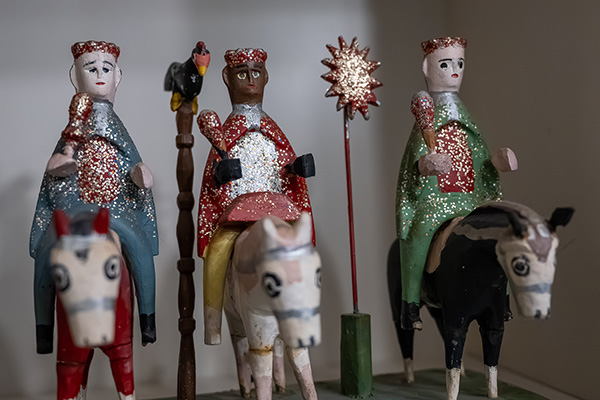
They also have dozens of versions of the Magi, or the Three Kings, displayed. This is one of the most common devotions in Puerto Rico, evident in the island’s vibrant annual celebration of Epiphany, or Three Kings Day, on Jan. 6.
They both have written books on the art form – Francisco has penned two, while Nitza has written five.
She translated her interest in the santos into real life artistry by taking a course in woodworking and then carving her own.
Several of her artistic carvings are on prominent display in their home, and one or two are included in the exhibition. Several have special meaning, including a figure of St.
Raymond de Nonnatus, patron saint of pregnancy, that she carved while one of her daughters was expecting her first child.
Nitza says it’s hard for her to pick out a favorite santo because she loves all of the stories and devotions behind them.
“I found that after we put the collection together to go to the Mint, I was looking around and really missed having certain ones here,” she says.
Both Nitza and Francisco love having the santos in their home and treasure the chance to share this beloved art form with others.
Francisco says: “We believe we are the temporary custodians of this representation of the Puerto Rican tradition, culture, art and the Catholic faith.”
— Christina Lee Knauss, Troy C. Hull and Will Creter
Works of love
Nitza Mediavilla Piñero has taken her love for santos de palo – the traditional Puerto Rican wooden devotional sculptures she and her husband collect – to another level. She took a class in woodcarving and used what she learned to become a santero (those who make the sculptures).
Over the years she has created her own santos de palo, carving figures of Christ, the Blessed Mother and saints and then adding vivid colors with oil paints. Her work is unique because she carves each figure from a single block of cedar wood. Some have taken her more than a year to complete.
“When I first started carving, I was still working in a family business so I would get a chance to work an hour here, an hour there,” she said. “I always take my time. This is a devotion for me. It’s a skill God has given me.”
One of the most special santos de palo she has made is the figure of St. Raymond Nonnatus, the patron saint of pregnancy and childbirth. She made it for one of her daughters when she was expecting her first child.