

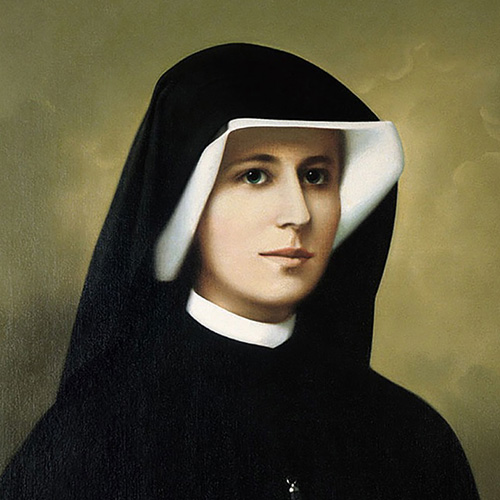
 Mankind’s need for the message of Divine Mercy took on urgency in the early 20th century, when civilization began to lose respect for the sanctity and dignity of human life. In the 1930s, Jesus chose a humble Polish nun, St. Maria Faustina Kowalska, to receive private revelations about Divine Mercy that were recorded in her diary. This was at a time when St. John Paul II later noted the evil ideologies of nazism and communism were forming, calling Sister Faustina’s message that God is mercy the only truth capable of offsetting that evil.
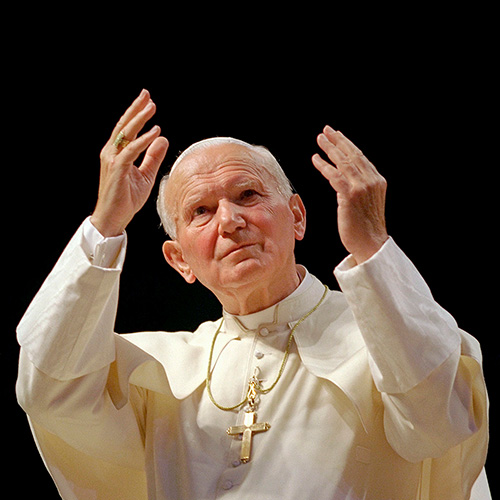 On May 5, 2000, five days after the canonization of St. Faustina, the Vatican decreed that the Second Sunday of Easter would be known as Divine Mercy Sunday. In his second encyclical, “Rich in Mercy,” St. John Paul II offered an extended meditation on God’s mercy, which he calls “the greatest of the attributes and perfections of God.” He returned to this theme throughout his pontificate. John Paul II died in April 2005 on the vigil of Divine Mercy Sunday, was beatified on Divine Mercy Sunday, May 1, 2011, by his successor, Pope Benedict XVI, and was canonized on Divine Mercy Sunday, April 27, 2014, by Pope Francis.